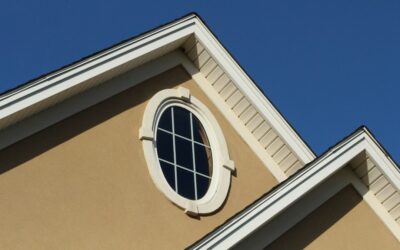
Stucco can last 50 to 80 years on the right house in the right climate, yet it can also trap moisture and crack badly on the wrong one. Weighing the stucco siding pros and cons honestly means looking past the clean, seamless look that draws people in and considering how this material actually behaves over decades. Stucco is one of the oldest exterior finishes still in wide use, and when it is installed correctly in a suitable climate, it rewards you with low maintenance and serious longevity. When any part of that equation is off, it becomes one of the more expensive siding problems to fix.
What Stucco Actually Is
Traditional stucco is a cement-based plaster, typically made of cement, sand, lime, and water, applied in layers over a lath base attached to the home’s sheathing. It hardens into a dense, monolithic shell. Newer synthetic stucco systems, often called EIFS, use foam board and an acrylic-based finish coat instead. The two perform very differently, especially around moisture, so it matters which one you are considering. This guide focuses mainly on traditional cement stucco, with notes where synthetic differs.
The Pros of Stucco Siding
Stucco earns its loyal following for good reasons. Its strengths cluster around durability, low upkeep, and a distinctive look.
- Long lifespan: properly installed and maintained cement stucco commonly lasts 50 years or more
- Low routine maintenance: no repainting cycle like wood, and no individual panels to replace like vinyl
- Fire resistance: cement stucco is non-combustible, which can matter in wildfire-prone regions
- Energy and sound: the dense mass helps moderate temperature swings and dampens outside noise
- Seamless appearance: a continuous, textured surface with no panel lines, available in many colors and finishes
- Pest resistance: hard cement gives insects and rodents little to chew or burrow into
That combination of longevity and minimal upkeep is why stucco dominates in the Southwest and other dry, warm regions. In the right setting, you install it and largely forget it for years.
The Cons of Stucco Siding
Now the honest other side. Stucco’s weaknesses are real and can be costly, so do not skip this part.
- Cracking: stucco is rigid, so house settling, seismic movement, and thermal expansion can produce hairline to larger cracks over time
- Moisture vulnerability: if water gets behind stucco through cracks or poor flashing, it can become trapped and rot the sheathing and framing
- Difficult repairs: patching cracks is doable, but matching texture and color seamlessly is tricky, and large repairs are labor-intensive
- Climate sensitivity: wet, freeze-thaw climates are harder on stucco than dry ones, raising the maintenance burden
- Higher upfront cost: material plus skilled labor often makes stucco pricier to install than vinyl siding
- Not DIY-friendly: a quality multi-coat application takes real skill, so professional installation is essentially required
The Cracking Question, Honestly
Some hairline cracking in stucco is normal and largely cosmetic, the result of the material curing and the house moving slightly. These fine cracks can be filled and sealed during routine maintenance. The cracks that demand attention are wider gaps, cracks that grow, or any that appear around windows, doors, and roof lines, because those are the entry points where water can get behind the finish. Catching and sealing problem cracks early is the single most important thing you can do to protect a stucco home.
The Moisture Issue You Cannot Ignore
Stucco’s biggest historical failures trace back to water intrusion, and this is where installation quality is everything. Stucco must be installed over a proper weather-resistant barrier with correct flashing at every penetration so that any water that gets behind the finish can drain and dry. Done right, the assembly manages moisture. Done wrong, or used in a very wet climate without proper detailing, trapped water can rot framing out of sight for years before the damage shows.
This concern is especially acute with synthetic EIFS systems, which had well-documented moisture problems in earlier installations. Modern drainable EIFS addresses much of this, but it underscores the point: with stucco, who installs it and how matters as much as the material itself.
Cost and Maintenance Expectations
Expect stucco to cost more upfront than vinyl and roughly in the range of higher-end fiber cement, with the exact figure driven heavily by labor and the number of coats. Over the life of the home, though, the maintenance cost can be lower because you are not repainting on a wood-siding schedule. Plan on periodic inspections, sealing cracks as they appear, and recoating or repainting the finish every so often to keep it looking fresh and watertight. Budget for a professional inspection of the flashing and any suspicious cracks every few years.
How Stucco Compares to Other Siding
It helps to weigh stucco against the alternatives you are likely considering. Vinyl siding costs less upfront and installs quickly, but it can crack in cold, fade over time, and looks less substantial. Fiber cement, such as the popular board-and-batten and lap styles, rivals stucco for durability and fire resistance while offering more design flexibility, though it needs periodic repainting. Wood siding brings warmth and beauty but demands the most maintenance and is the most vulnerable to rot and pests.
Against that field, stucco’s edge is its seamless monolithic look, its longevity in dry climates, and its low routine upkeep once installed. Its disadvantage is rigidity, the cracking and moisture concerns, and a higher dependence on skilled installation. If a seamless texture and decades of low maintenance in a warm, dry region appeal to you, stucco is hard to beat. If you live somewhere wet or want a forgiving, easily repaired material, fiber cement may serve you better.
Is Stucco Right for Your Home?
Stucco shines in warm, dry climates, on homes where the seamless look fits the architecture, and for owners who want long-term durability over the lowest possible installed price. It is a tougher call in wet, freeze-thaw regions, where the moisture and cracking risks rise and maintenance becomes more demanding. If you love the look but live somewhere damp, focus relentlessly on installation quality, flashing details, and a drainage-capable system.
Weighing the stucco siding pros and cons comes down to climate, installer quality, and your appetite for occasional crack maintenance. Get those three things right and stucco can be a beautiful, decades-long exterior. Ignore any one of them and the same material can turn into an expensive lesson. Go in clear-eyed, hire experienced installers, and stucco will reward the diligence.