
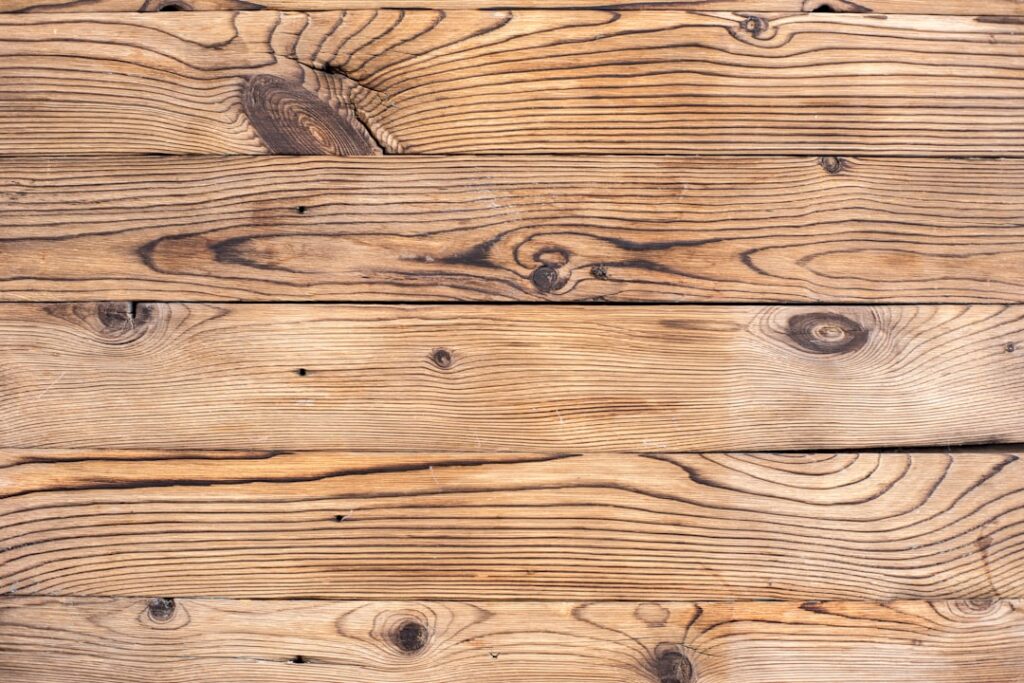
Wood plank siding has clad American homes for centuries, and for good reason. It delivers a warm, natural, timeless exterior that vinyl and fiber cement still try to imitate. Whether you picture crisp white clapboard on a colonial, rustic shiplap on a cabin, or bold board-and-batten on a modern farmhouse, real wood brings character and curb appeal that few materials can match.
That beauty comes with responsibilities. Wood is a natural material, so it expands, contracts, and needs periodic upkeep to stay looking its best and to resist rot and pests. Understanding the styles, species, costs, and maintenance demands up front will help you decide whether wood plank siding is the right choice for your home and climate.
Why Homeowners Love Wood Siding
The appeal is largely aesthetic and emotional. Wood has depth, grain, and a tactile quality that synthetic products mimic but rarely equal. It can be painted any color or stained to show off the grain, and it ages with a patina that many people find appealing. For historic homes, wood is often the authentic, period-correct choice.
Wood is also a renewable material, repairable board by board, and excellent at insulating compared to some alternatives. A single damaged plank can be swapped out without replacing an entire wall, which is harder to do with some seamless siding systems.
Common Wood Plank Siding Styles
The profile and installation pattern define the look as much as the wood itself:
- Clapboard (lap siding) – horizontal planks that overlap, thicker at the bottom edge. The classic American look, sheds water well.
- Shiplap – planks with an overlapping rabbeted edge that sit flush for a clean, tight line; popular for modern and rustic styles alike.
- Board and batten – wide vertical boards with narrow battens covering the seams, giving a tall, farmhouse or barn-inspired look.
- Tongue and groove – planks that interlock for a smooth, seamless surface, installable horizontally, vertically, or diagonally.
- Channel and Dutch lap – variations with shadow lines that add depth and texture.
Choosing the Right Wood Species
Different species offer different balances of durability, appearance, and cost:
- Cedar – the most popular choice for siding thanks to natural resistance to rot and insects, stability, and a beautiful grain. Western red cedar is a premium standard.
- Redwood – prized for rot resistance and rich color, though availability and price vary by region.
- Pine, spruce, and fir – more affordable but less naturally rot-resistant, so they rely heavily on quality finishes and maintenance.
- Cypress – durable and naturally resistant to decay, common in the South.
- Engineered wood – wood fibers and resins formed into planks; more dimensionally stable and often less expensive than solid wood, with a wood-like appearance.
In damp or insect-prone climates, naturally durable species like cedar, redwood, and cypress, or a quality engineered product, are worth the extra cost for longevity.
Cost Expectations
Costs vary widely by species, region, grade, and labor, so treat these as estimates. Material for solid wood siding commonly falls in the rough range of $3 to $10 or more per square foot, with premium grades higher. Installed, including labor and finishing, many projects land somewhere around $7 to $15 or more per square foot. Engineered wood often costs less than premium solid wood while delivering a similar look.
Remember to budget beyond installation. Wood siding requires periodic repainting or restaining, which is a recurring cost that synthetic siding largely avoids. Factor the long-term maintenance into your decision, not just the upfront price.
Installation Considerations
Proper installation is critical because water management is everything with wood. A few essentials apply across styles:
- Install a quality water-resistive barrier and proper flashing behind and around the siding.
- Leave appropriate gaps and allow for expansion, since wood moves with humidity.
- Use corrosion-resistant fasteners, such as stainless or hot-dipped galvanized nails, to prevent rust streaks.
- Prime all sides of each board, including cut ends, before installation to seal out moisture.
- Keep the bottom course well above grade to avoid ground contact and splash-back.
Because correct flashing, ventilation, and fastening directly determine how long the siding lasts and whether moisture gets trapped behind it, many homeowners hire an experienced siding contractor. If you DIY, follow the manufacturer’s and finish maker’s instructions closely and prioritize sealing every cut edge.
Maintenance and Longevity
Well-maintained wood siding can last for decades, but it does demand attention. Plan to repaint roughly every 5 to 10 years and to restain on a similar or somewhat shorter cycle depending on exposure and product. Inspect annually for cracked finish, loose boards, or early signs of rot, and address problems quickly before water gets behind the boards.
- Wash the siding periodically to remove dirt, mildew, and pollen.
- Keep gutters clear and trim vegetation back so air can circulate and boards can dry.
- Re-caulk gaps and touch up the finish as soon as you see bare wood.
- Treat or replace any board showing soft spots or insect activity.
Wood Siding vs the Alternatives
It helps to see where wood sits against the popular substitutes. Vinyl siding is the cheapest and lowest-maintenance option, but it cannot match real wood’s depth and can look plasticky up close. Fiber cement imitates wood texture convincingly, resists rot and fire, and needs less upkeep, though it is heavy and lacks the authentic grain of the real thing.
- Wood – unmatched natural beauty and repairability, but the highest maintenance and recurring refinishing cost.
- Engineered wood – a wood-like look with better stability and a lower price, with somewhat less maintenance than solid wood.
- Fiber cement – durable, rot- and fire-resistant, lower upkeep, but heavier and not true wood.
- Vinyl – lowest cost and maintenance, but the least authentic appearance.
If authenticity and character top your list and you accept the upkeep, wood wins. If low maintenance is the priority, engineered wood or fiber cement may serve you better while still delivering a wood-inspired look.
Is Wood Plank Siding Right for You?
Wood plank siding rewards homeowners who value authentic beauty and are willing to maintain it. If you love natural materials, own a historic home, or want a look that synthetic siding cannot fully replicate, it is a wonderful choice, especially in a durable species installed with careful water detailing. If you want a low-maintenance exterior and minimal recurring upkeep, you may prefer fiber cement or engineered alternatives. Weigh the upfront and long-term costs against the unmatched warmth and character that only real wood delivers.


