Cedar wood siding has clad American homes for centuries, and for good reason: it is naturally rot- and insect-resistant, dimensionally stable, and it delivers a warmth and character that no vinyl or fiber cement can fully imitate. But cedar is also a natural product that demands respect. Choose the wrong grade, skip the finish, or ignore maintenance and it will gray, cup, and decay far faster than the marketing photos suggest. This guide covers the types of cedar siding, real-world costs, the honest pros and cons, and exactly how to keep it looking good for decades.
- Why Cedar Stands Out
- Common Cedar Siding Styles
- Grades of Cedar
- Real Costs Per Square Foot
- The Honest Pros and Cons
- Finishing Cedar the Right Way
- Installation Best Practices
- Maintenance That Keeps It Beautiful
- Cedar vs. the Alternatives
- Regional and Climate Considerations
- Environmental and Resale Benefits
- Is Cedar Right for Your Home?
Why Cedar Stands Out
Western red cedar and, to a lesser extent, eastern white cedar contain natural oils and tannins that resist decay and repel insects without chemical treatment. The wood is lightweight, stable, and takes stain and paint beautifully. It also holds finishes better than many species because it lies flat and resists warping. Aesthetically, cedar offers a straight, tight grain and a color range from warm honey to rich reddish-brown that ages, if you let it, to a silvery gray patina many coastal and rustic homeowners prize.
Common Cedar Siding Styles
Cedar is milled into several profiles, and the style you choose sets the whole character of the exterior:
- Bevel (clapboard) siding: The classic overlapping horizontal boards, thicker at the bottom edge. Timeless and widely available.
- Tongue-and-groove: Interlocking boards installed horizontally, vertically, or diagonally for a clean, tight look.
- Board and batten: Wide vertical boards with narrow battens covering the seams, giving a farmhouse or barn aesthetic.
- Shingles and shakes: Individual tapered pieces; shingles are sawn smooth, shakes are split for a rugged texture. Common on Cape Cod and Craftsman homes.
- Channel and shiplap: Boards with a rabbeted edge that create a shadow line, popular in modern designs.
Grades of Cedar
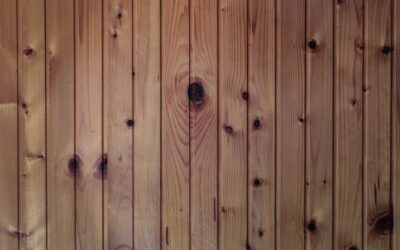
Grade matters as much as style. Clear grades (Clear Vertical Grain, A-and-Better Clear) have few or no knots, take finish evenly, and cost the most. Knotty grades show natural knots and character marks and cost significantly less, ideal for a rustic look but slightly more prone to movement and finish issues around knots. For painted siding, a tight, knot-free grade holds paint longer; for a stained rustic cabin, knotty cedar is both cheaper and more fitting.
Real Costs Per Square Foot
Cedar is a premium material, and pricing reflects it. Expect these 2026 ranges for material plus professional installation:
- Cedar bevel or clapboard, installed: $6 to $12 per square foot
- Cedar shingles and shakes, installed: $8 to $15 per square foot
- Clear vertical-grain premium grades: can push material alone to $8 to $14 per square foot before labor
- Whole-house cedar siding project: commonly $15,000 to $40,000 depending on size, grade, and region
By comparison, vinyl runs $3 to $7 and fiber cement $6 to $12 installed, so cedar sits at the premium end, justified for buyers who want authentic wood.
The Honest Pros and Cons
Cedar earns its reputation, but go in with clear eyes:
- Pros: Natural beauty and grain, real insulating value, naturally rot- and pest-resistant, renewable and biodegradable, takes any finish, and repairs board by board.
- Cons: High upfront cost, real ongoing maintenance, susceptible to moisture damage if neglected, can attract woodpeckers and carpenter bees, and will gray unpredictably if left unfinished.
The single biggest factor in whether homeowners love or regret cedar is maintenance commitment. Cedar is not install-and-forget siding.
Finishing Cedar the Right Way
Finish is what protects cedar from UV and water. You have three paths:
- Semi-transparent stain: Shows the grain, penetrates the wood, and is the easiest to maintain because it fades rather than peels. Reapply every 3 to 5 years.
- Solid stain or paint: Hides grain but offers the most UV protection and longest color life, 7 to 10 years for quality paint, though it can eventually peel and requires prep to recoat.
- Clear sealer or letting it gray: Clear finishes need frequent renewal; leaving cedar to weather naturally is an aesthetic choice, but unfinished cedar is more vulnerable to moisture, so it still needs sound flashing and detailing.
Critically, prime or finish all six sides of each board before installation, including the back and cut ends. Back-priming dramatically slows moisture-driven cupping and is the mark of a professional job.
Installation Best Practices
Cedar must be installed to shed and dry. That means a proper weather-resistant barrier behind it, and ideally a rainscreen gap, a ventilated air space created with furring strips, so any moisture that gets behind the boards can drain and dry. Use stainless steel or hot-dipped galvanized nails; ordinary steel reacts with cedar’s tannins and leaves black streaks. Leave proper gaps at butt joints and around windows for expansion, and keep the bottom course at least 6 to 8 inches above grade.
Maintenance That Keeps It Beautiful
A realistic maintenance rhythm protects your investment:
- Inspect annually for peeling finish, cracked caulk, and any soft or discolored boards.
- Wash the siding gently every year or two to remove dirt, mildew, and pollen; use a soft brush and mild cleaner, not a high-pressure washer that can gouge soft cedar.
- Reapply stain or touch up paint on schedule before the old finish fails completely, which is far easier than recoating bare, weathered wood.
- Keep gutters clean and vegetation trimmed back so the siding dries after rain.
- Address any moisture intrusion, flashing, or pest activity immediately; caught early, cedar repairs are simple board swaps.
Cedar vs. the Alternatives
It helps to see where cedar sits against the materials homeowners cross-shop. Vinyl siding is the cheapest and lowest-maintenance option, but it looks like plastic up close and can crack in cold or warp near heat. Fiber cement (such as James Hardie) mimics wood grain convincingly, resists rot and fire, and needs only periodic repainting, making it the most popular cedar alternative, though it is heavy and lacks the depth of real wood. Engineered wood siding (like LP SmartSide) offers a wood look with better moisture resistance and lower cost than cedar, but it is still a manufactured product. Cedar’s advantage is authenticity: real grain, real texture, and the ability to be refinished in any color and repaired board by board. Its disadvantage is that it asks the most of you in maintenance and dollars.
Regional and Climate Considerations
Where you live shapes how cedar performs and how much upkeep it demands. In hot, sunny climates, UV is the enemy, and finishes fade faster, so a solid stain or paint with strong UV protection pays off. In damp, coastal, or heavily wooded areas, moisture and mildew are the concern, and a ventilated rainscreen installation plus vigilant gutter maintenance become critical to prevent rot. In freeze-thaw climates, proper detailing keeps water from getting behind boards and expanding as it freezes. Cedar can thrive in nearly any US climate, western red cedar in particular is remarkably adaptable, but you must tailor the finish choice and maintenance schedule to your local conditions rather than assuming a single approach works everywhere.
Environmental and Resale Benefits
Cedar carries appeal beyond looks. As a natural, renewable, and biodegradable material, it has a smaller manufacturing footprint than vinyl or fiber cement, and responsibly harvested cedar from certified forests is a genuinely sustainable choice. It also has real insulating value, wood is a natural insulator, which can modestly help energy performance compared to conductive materials. On the resale side, authentic cedar siding signals quality and craftsmanship to buyers, particularly in markets and neighborhoods where natural materials are prized, such as Craftsman, coastal, and mountain-region homes. Well-maintained cedar can be a curb-appeal asset that helps a home stand out, provided it is kept in good condition; neglected, peeling cedar has the opposite effect and reads as deferred maintenance.
Is Cedar Right for Your Home?
Cedar wood siding rewards owners who value authentic materials and are willing to maintain them. If you love the look of real wood, plan to stay in the home, and will commit to refinishing every few years, cedar delivers unmatched warmth and character and can last 30 to 50 years. If you want the lowest maintenance and lowest cost, fiber cement or vinyl will serve you better. But for the right homeowner, few materials match the timeless curb appeal of well-kept cedar.