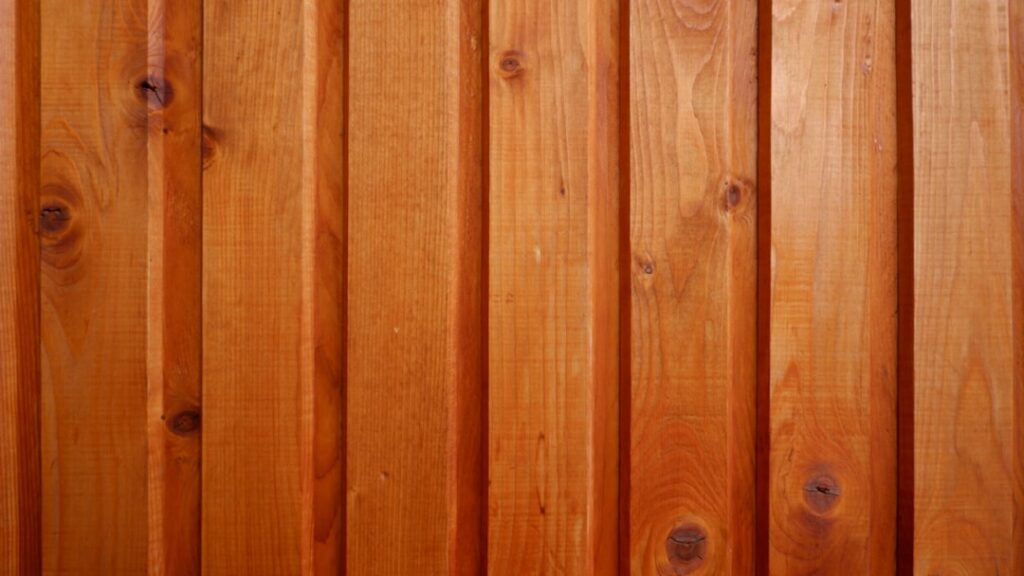
Cedar has clad American homes for generations, prized for its natural rot resistance, rich grain, and the way it weathers gracefully over time. Running those boards vertically instead of horizontally gives a house clean, upward lines that feel both rustic and thoroughly modern. Vertical cedar siding sheds water efficiently, pairs beautifully with contemporary architecture, and can make a home look taller and more distinctive. If you want warm, real-wood character with a designer-forward orientation, vertical cedar deserves a place on your shortlist.
- Why Choose Cedar in the First Place
- Popular Vertical Cedar Styles
- The Practical Advantages of Going Vertical
- Installation Requires Proper Framing
- Weather Barrier and Rainscreen
- Finishing and Maintenance
- Cost Expectations
- Common Mistakes to Avoid
- Is Vertical Cedar Right for Your Home?
- Grades and Species to Know
- Environmental and Longevity Benefits
- Final Thoughts
Why Choose Cedar in the First Place
Western red cedar and its cousins contain natural oils and tannins that resist decay, insects, and moisture without chemical treatment. The wood is dimensionally stable, meaning it resists the cupping and warping that plague lesser lumber, and it takes stain and paint well. Cedar is also relatively lightweight and easy to work with hand tools. Beyond the practical, it simply looks and smells wonderful, with a warm tone that ranges from honey to reddish brown and a grain that adds depth no vinyl or fiber-cement product can truly replicate.
Popular Vertical Cedar Styles
Vertical orientation opens up several classic and modern profiles, each with a different character.
- Board and batten: Wide boards installed vertically with narrow battens covering the seams. This is the quintessential farmhouse and modern-rustic look, offering strong shadow lines and a handsome texture.
- Tongue and groove: Interlocking vertical boards create a smooth, tight, contemporary wall with subtle reveals. Popular on modern and mid-century homes.
- Channel groove or shiplap: Boards with a milled channel between them produce clean, evenly spaced vertical lines.
- Reverse board and batten: Battens sit behind wide boards for a deeper, more dramatic shadow effect.
The Practical Advantages of Going Vertical
Beyond looks, vertical siding has real functional merits. Water runs straight down the boards and off the wall rather than potentially sitting in horizontal laps, which can help with drainage and longevity when detailed correctly. Vertical lines visually heighten a facade, a useful trick on single-story ranches or homes with low rooflines. Board and batten in particular is forgiving of slightly uneven walls because the battens hide seams and gaps. Many homeowners also mix orientations, using vertical cedar on gables or accent walls against horizontal siding elsewhere for contrast.
Installation Requires Proper Framing
Because vertical siding runs perpendicular to standard horizontal wall studs, you cannot simply nail it to the sheathing and expect it to hold. Installers add horizontal furring strips or blocking, or a layer of nailable sheathing, so the vertical boards have something to fasten into every 16 to 24 inches. This nailing base is essential and skipping it leads to loose, wavy boards. A proper rainscreen assembly, with a gap behind the siding for airflow and drainage, dramatically extends the life of cedar by letting the back of each board dry out.
Weather Barrier and Rainscreen
Modern cedar installations almost always include a weather-resistive barrier such as house wrap over the sheathing, followed by vertical furring strips that create a ventilated air gap, then the siding. This rainscreen approach keeps moisture from being trapped against the wood, which is the primary cause of premature rot and peeling finishes. For vertical siding, furring strips run horizontally to serve as the nailing base while still allowing water to drain down and out at the bottom. Insect screen at the top and bottom of the cavity keeps pests out while preserving airflow.
Finishing and Maintenance
Cedar can be left to weather to a silvery gray, stained to preserve its color, or painted. Left untreated, it will still resist rot but loses its warm tone within a year or two. A semi-transparent penetrating stain shows off the grain while adding UV and water protection, and needs reapplication every three to five years on average. Solid stains and paint last longer, seven to ten years, but hide the grain and can peel if moisture gets behind them. Whatever finish you choose, back-prime or seal all six sides of each board before installation to prevent moisture from entering the unfinished back and edges.
Cost Expectations
Cedar is a premium material, and prices reflect it. Cedar siding boards themselves typically run $3 to $8 per square foot for the material, with clear, knot-free grades costing more than knotty or rustic grades. Installed, expect $8 to $16 per square foot including labor, furring, weather barrier, and finishing, though board and batten and intricate details push toward the higher end. For a modest 1,500-square-foot exterior, a full vertical cedar job commonly lands between $12,000 and $24,000. It costs more than vinyl or fiber cement, but the natural beauty and longevity justify the premium for many homeowners.
Common Mistakes to Avoid
The biggest error is nailing vertical siding without a proper nailing base, which produces loose and rippled boards within a season. Another is failing to leave a ventilated gap, trapping moisture and inviting rot despite cedar’s natural resistance. Homeowners also often skip back-priming, then wonder why paint peels from the front as moisture pushes through from the unsealed back. Finally, using the wrong fasteners, such as regular steel nails that react with cedar’s tannins and leave black streaks, ruins the appearance; use stainless steel or hot-dipped galvanized fasteners instead.
Is Vertical Cedar Right for Your Home?
Vertical cedar suits homeowners who value natural materials and are willing to maintain them. It pairs especially well with modern, farmhouse, craftsman, and mountain-style architecture. If you want a zero-maintenance exterior, cedar is not it, since periodic refinishing is part of the deal. But if you appreciate wood that develops character with age and are prepared for occasional upkeep, few materials reward you like real cedar. Consider your climate too: cedar performs best where it can dry between wettings, so a proper rainscreen is even more important in humid regions.
Grades and Species to Know
Not all cedar is the same, and the grade you choose affects both appearance and price. Clear grades are free of knots and defects, prized for smooth, refined looks and premium modern projects, but they command the highest prices. Knotty grades, sometimes labeled select or standard, show natural knots and character marks that suit rustic and farmhouse styles at a lower cost. Western red cedar is the most common species for siding, valued for its rich color and stability, while Eastern white cedar and Alaskan yellow cedar are regional alternatives. You will also choose between rough-sawn, which has a textured face that holds stain beautifully, and smooth-planed, which reads more refined and modern. Deciding on species, grade, and surface texture up front ensures the finished wall matches the look you are picturing.
Environmental and Longevity Benefits
Cedar appeals to homeowners who care about sustainability as well as looks. As a natural, renewable material, cedar has a lower embodied energy than manufactured sidings and, when responsibly sourced from managed forests, represents a comparatively green choice. Its natural durability means no chemical preservatives are required, and at the end of a long life it is biodegradable rather than destined for a landfill like vinyl. Properly installed and maintained, cedar siding can last 30 to 40 years or more, and because individual boards can be replaced, damaged areas need not trigger a full re-side. The combination of renewability, natural rot resistance, and repairability makes cedar a material that ages gracefully and treads relatively lightly compared with petroleum-based alternatives.
Final Thoughts
Vertical cedar siding blends timeless natural warmth with clean, contemporary lines, giving a home genuine architectural presence. Choose a profile that fits your style, insist on proper furring and a ventilated rainscreen, seal all six sides of every board, and use corrosion-resistant fasteners. Do that groundwork and your vertical cedar will look stunning and stand up to the weather for decades, aging into the kind of finish that only real wood can achieve.