
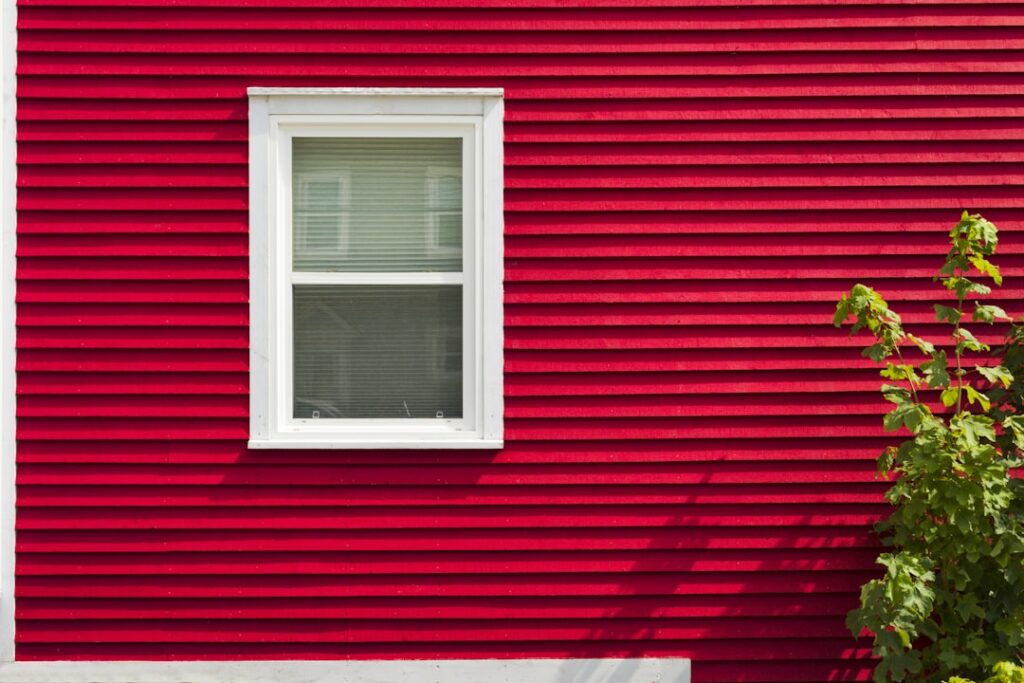
Beveled cedar siding, also called clapboard or lap siding, is a classic exterior cladding that has protected and beautified American homes for centuries. Milled thicker at one edge and tapered thin at the other, each board overlaps the one below to shed water while creating the signature shadow lines that give traditional homes their warmth and depth. Naturally rot-resistant and dimensionally stable, western red cedar remains a premium choice for homeowners who want authentic wood beauty with real durability. This guide covers grades, sizing, installation, cost, and the maintenance that keeps cedar looking its best for decades.
- What Makes Cedar a Superior Siding Wood
- Understanding Cedar Grades
- Common Sizes and Exposure
- Installation Essentials
- Finishing Options
- Cost Expectations
- Maintenance for the Long Haul
- Common Mistakes to Avoid
- Cedar vs. Other Siding Materials
- Environmental and Insulation Benefits
- Is Beveled Cedar Right for Your Home?
What Makes Cedar a Superior Siding Wood
Cedar earns its reputation through natural chemistry. The wood contains oils and tannins called thujaplicins that resist decay, insects, and moisture without chemical treatment. It is also remarkably stable, meaning it cups, warps, and swells far less than pine or spruce as humidity changes. Western red cedar, the most common species for siding, is lightweight, holds fasteners well, and accepts stains and paints beautifully. Its straight grain and fine texture also make it easy to cut and install cleanly.
The bevel (or taper) is what defines this siding profile. The thick butt edge, typically 1/2 to 3/4 inch, laps over the thin top edge of the course below, creating an overlapping weather-shedding wall with those distinctive horizontal shadow lines.
Understanding Cedar Grades
Cedar siding is sold in grades that dramatically affect appearance and price. Knowing the difference helps you match quality to budget:
- Clear Vertical Grain (CVG): The premium grade, virtually knot-free with tight, straight grain. Most stable and best for a stained, natural finish. Most expensive.
- Clear grade: Nearly knot-free, excellent for staining or painting.
- A and Better: Minor tight knots allowed, a good balance of looks and cost.
- Select Knotty and Knotty: Visible knots give a rustic, cabin-like character at the lowest price, best painted or solid-stained.
You will also choose between smooth-face and rough-sawn (saw-textured) surfaces. Smooth is favored for a refined painted look, while rough-sawn holds stain longer and offers a more textured, natural appearance.
Common Sizes and Exposure
Beveled cedar comes in nominal widths from 4 to 12 inches. The visible portion of each board, called the exposure, is always less than the full width because of the overlap. As a rule, leave a minimum 1-inch overlap, so a nominal 6-inch board might show about 4 to 4.5 inches of exposure, and an 8-inch board around 6.5 inches. Consistent exposure across a wall is essential for a professional look, so many installers snap chalk lines or use a story pole to keep every course even.
Installation Essentials
Proper installation is what separates siding that lasts 40 years from siding that fails in ten. Cedar must be installed over a solid, flat, weather-resistant wall assembly. Key requirements include a house wrap or building paper as a water-resistive barrier, and ideally a rainscreen gap (furring strips) behind the boards to let the wall breathe and dry. This ventilation gap is one of the biggest factors in cedar longevity, preventing trapped moisture that causes cupping and paint failure.
Fastening is critical. Use hot-dipped galvanized or, better, stainless steel ring-shank siding nails, because cedar’s acids corrode ordinary steel and cause black staining. Nail each board just above the overlap with a single row of nails so the board can expand and contract; face-nailing through two boards restricts movement and causes splitting. Prime or seal all edges, especially cut ends, before installation to block water entry.
Finishing Options
Cedar can be left to weather to a silvery gray, but most homeowners protect it. Semi-transparent stains showcase the grain while adding UV and water protection and are the easiest to maintain, since they fade rather than peel. Solid stains and paints offer the widest color range and longest color retention but require more prep and eventual repainting. Whatever you choose, back-priming (finishing the hidden back face before installation) dramatically improves longevity by balancing moisture absorption on both sides of the board.
Always finish cedar promptly after installation. Leaving raw cedar exposed to sun and rain for months degrades the surface and can cause stains and finishes to adhere poorly later.
Cost Expectations
Beveled cedar siding is a mid-to-premium investment. Material alone runs roughly $3 to $8 per square foot depending on grade, with clear vertical grain at the top of that range. Installed, including labor, house wrap, trim, and finish, most projects land between $7 and $14 per square foot. For a typical 1,500-square-foot exterior, that translates to roughly $10,000 to $21,000. While pricier than vinyl or fiber cement, cedar offers unmatched natural beauty and can last 30 to 50 years with proper care.
Maintenance for the Long Haul
Cedar rewards attention. Inspect the siding annually for cracked finish, loose boards, or areas where caulk has failed around windows and trim. Wash the walls once a year with a gentle cleaner and soft brush to remove dirt, pollen, and mildew; avoid high-pressure washing, which can gouge the soft wood and drive water behind the boards. Refresh semi-transparent stain every three to five years and repaint every seven to ten years, or when you notice fading or chalking. Keep vegetation trimmed back and gutters clear so water and shade do not encourage rot.
Common Mistakes to Avoid
The most damaging errors are using non-stainless fasteners that streak the wood, skipping the rainscreen gap so moisture gets trapped, failing to seal cut ends and back faces, and installing over a damp or uneven wall. Homeowners also frequently wait too long to finish raw cedar or neglect timely re-staining, letting UV and water break down the surface. Avoid these pitfalls and your cedar will age gracefully.
Cedar vs. Other Siding Materials
It helps to see where cedar fits among the alternatives. Fiber cement, such as James Hardie, mimics wood grain, resists fire and rot, and needs less maintenance, but it lacks the depth and authenticity of real cedar and is heavier to install. Vinyl siding is the cheapest and lowest-maintenance option, but its plastic appearance and tendency to fade or crack put it in a different class aesthetically. Engineered wood siding (like LP SmartSide) offers a wood look with added durability and lower cost than cedar, though it is a manufactured product. Natural cedar’s advantages are its genuine wood beauty, the rich way it takes stain, its natural insect and rot resistance, and its environmental friendliness as a renewable, biodegradable material. The tradeoff is maintenance: cedar demands periodic refinishing that the manufactured products largely avoid. For homeowners who prioritize authentic character and are willing to maintain it, cedar remains unmatched.
Environmental and Insulation Benefits
Cedar offers advantages beyond looks that appeal to many homeowners. As a natural, renewable, and biodegradable material, it has a smaller environmental footprint than vinyl or other petroleum-based products, especially when sourced from responsibly managed forests certified by organizations like the Forest Stewardship Council. Cedar also provides modest natural insulation; wood is a poor conductor of heat compared with metal or masonry, so cedar siding contributes slightly to a home’s thermal envelope, and a rainscreen gap behind it adds further to energy efficiency by promoting drying and reducing moisture-driven heat transfer. The wood’s cellular structure also dampens sound, giving cedar-clad homes a quieter feel than those wrapped in harder materials. While siding is never the primary insulator, these secondary benefits, combined with cedar’s dimensional stability and long service life when maintained, make it a well-rounded choice for those who value both aesthetics and performance.
Is Beveled Cedar Right for Your Home?
If you value authentic, warm, natural wood siding and are willing to maintain it, beveled cedar delivers curb appeal that manufactured products struggle to imitate. It suits traditional, craftsman, cottage, and rustic architecture especially well. Choose a grade that fits your budget and finish plans, insist on proper installation with a rainscreen and stainless fasteners, and commit to periodic refinishing. Do that, and beveled cedar siding will protect and beautify your home for a generation or more.


