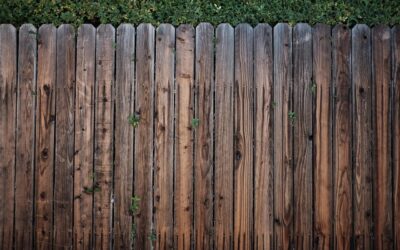
The single biggest factor in whether your fence still looks good in ten years isn’t the design or the stain, it’s the boards you started with. Choosing the right wood fence planks, also called pickets or fence boards, determines how well your fence resists rot, warping, and gray weathering over its life. With species ranging from budget-friendly pine to premium redwood, plus different sizes, grades, and cuts, the choices can feel overwhelming. This guide breaks down the common wood types, standard dimensions, quality grades, and cost so you can pick planks that deliver the look you want and the durability your climate demands.
Part of our Decks & Outdoor guide — explore the full guide →
- The Main Wood Species for Fencing
- Standard Plank Sizes
- Understanding Grades
- Rough-Sawn vs. Smooth (Surfaced)
- Dog-Ear, Flat-Top, and Other Cuts
- Cost Expectations
- Fasteners and Finishing Matter Too
- How Many Planks You'll Need
- Board Orientation and Fence Styles
- Seasonal Movement and What to Expect
- Making the Right Choice
The Main Wood Species for Fencing
Species is the most important choice because it dictates natural rot resistance, appearance, cost, and how much maintenance the fence will need.
Cedar
Cedar is the most popular fence wood for good reason. It contains natural oils that resist rot, decay, and insects, and it’s dimensionally stable, meaning it resists warping and shrinking better than most woods. Western Red Cedar has a beautiful reddish tone that weathers to a silvery gray if left unsealed. It costs more than pine but less than redwood, making it the go-to balance of looks, durability, and price.
Pressure-Treated Pine
Pressure-treated pine is the budget champion. It’s chemically treated to resist rot and insects, making it durable and inexpensive, which is why it dominates value-focused fence projects. The downsides are a tendency to warp, cup, and crack as it dries, plus a greenish tint that needs staining to look its best. It’s a smart choice when cost is the priority and you’ll maintain it.
Redwood
Redwood is the premium option, prized for its rich color, straight grain, and excellent natural resistance to rot and warping. It’s the most expensive of the common choices and availability varies by region, but for a high-end fence that ages gracefully, it’s hard to beat.
Standard Plank Sizes
Fence planks come in standard dimensions, and knowing them helps you plan quantity and cost. The most common picket is a 1×6, actually about 3/4 inch thick and 5-1/2 inches wide, in lengths of 6 feet for a standard privacy fence.
- 1×6: the standard privacy-fence picket, wide coverage with fewer boards.
- 1×4: narrower boards for a more detailed, traditional look; requires more pieces.
- Thicker boards (5/8 to 1 inch): heavier, more warp-resistant, and pricier.
- Lengths: 6-foot for privacy fences, 4-foot or shorter for picket and yard fences.
Thicker planks resist warping and last longer but cost more and weigh more. For most privacy fences, a solid 1×6 cedar or treated picket hits the sweet spot of coverage, cost, and durability.
Understanding Grades
Within any species, planks are sorted into grades based on knots, straightness, and appearance, and grade affects both price and performance. Higher grades have fewer knots and defects, straighter grain, and a cleaner look, but cost more. Lower grades are cheaper and more rustic, with more knots that can loosen and fall out over time, leaving holes.
For a fence you want to look refined and last, a mid-to-high grade with tight knots and straight boards is worth the premium. Inspect boards when you buy: reject any that are badly cupped, twisted, or cracked, since warped boards only get worse once installed. Buying in person lets you cull the bad ones; if ordering delivery, plan for a few rejects.
Rough-Sawn vs. Smooth (Surfaced)
Planks come in two surface finishes. Rough-sawn boards have a textured, rustic surface straight from the mill; they’re often cheaper, hold stain well, and give a natural, casual look. Surfaced or dressed boards (labeled S4S, surfaced four sides) are planed smooth on all sides for a refined appearance and are easier on the hands.
Rough-sawn is popular for privacy fences and stains beautifully because the open grain drinks in finish. Smooth boards suit a more polished, contemporary fence. Neither is inherently more durable; the choice is about looks, feel, and how you plan to finish them.
Dog-Ear, Flat-Top, and Other Cuts
The top profile of the picket sets the fence’s character. Dog-ear pickets, with the top corners cut off at an angle, are the most common and economical, shedding water at the corners and giving a classic look. Flat-top pickets have a clean, modern square top and are often used with a horizontal top cap for a finished appearance.
French Gothic and other decorative tops add a traditional or ornamental flair for picket-style fences. Match the cut to your home’s style: dog-ear for a standard privacy fence, flat-top for modern, and pointed or Gothic for a more decorative front-yard fence.
Cost Expectations
Plank prices vary by species, grade, and size, but a rough per-board comparison helps you budget. Pressure-treated pine pickets are the cheapest, often just a few dollars each. Cedar pickets typically cost moderately more per board, while redwood commands the highest price.
For a full privacy fence, boards are only part of the total, you’ll also need posts, rails, concrete, and fasteners, but the plank choice significantly moves the overall cost. Choosing cedar over treated pine, for example, raises material cost but can lower long-term maintenance and improve appearance, so weigh upfront price against the decade of service you expect.
Fasteners and Finishing Matter Too
Even the best planks fail early with the wrong hardware. Use hot-dipped galvanized or stainless steel fasteners, because cedar and treated wood react with cheap fasteners, causing black staining and premature corrosion. Screws hold better than nails over time and resist the popping that comes as boards expand and contract.
Finish is what preserves both the wood and the color. Left bare, cedar and redwood weather to gray and all species dry out and can crack. Apply a quality exterior stain or sealer with UV protection, coating all sides and especially the end grain, which absorbs water fastest. Reapply every two to three years to keep the fence looking new and fighting rot.
How Many Planks You’ll Need
Estimating quantity accurately saves both money and repeat trips to the lumberyard. For a solid privacy fence with boards butted edge to edge, divide the total fence length by the actual width of your picket to find the count. A 1×6 picket is about 5.5 inches wide, so a 100-foot fence needs roughly 218 boards for a single side, before accounting for waste.
Always add 10 to 15 percent extra to cover culled warped boards, cutting waste, and future repairs. If you’re building a spaced picket fence rather than solid privacy, factor in the gap between boards, which reduces the count. Remember that boards are only one part of the material list; you’ll also need posts spaced roughly every 8 feet, two or three horizontal rails per section, post concrete, and fasteners. Sketching your fence and tallying each component before you shop keeps the budget accurate and the build moving without delays.
Board Orientation and Fence Styles
The way you arrange the planks changes both the look and the function of the fence. The classic vertical privacy fence stands boards upright, side by side, for full screening and good water shedding. A board-on-board style overlaps the pickets slightly so there are no gaps even as the wood shrinks, giving complete privacy and a fuller appearance from both sides.
Horizontal fences, where planks run sideways between posts, have surged in popularity for their modern, contemporary look. They use the same boards oriented differently but require closer post spacing or a sturdier frame to prevent sagging over long spans. Shadowbox, or good-neighbor, fences alternate boards on opposite sides of the rail so the fence looks finished from both yards and allows airflow. Whichever style you choose, the plank species and grade guidance stays the same; orientation is about aesthetics and privacy level, while the wood quality determines durability.
Seasonal Movement and What to Expect
Wood is a living material even after it’s milled, and understanding how it moves prevents disappointment. Fresh boards, especially pressure-treated pine, often arrive damp from treatment and will shrink as they dry, so gaps can appear between tightly installed pickets weeks after the build. This is normal, and it’s why board-on-board and shadowbox designs are popular, since they hide the gaps that develop as boards shrink.
Expansion and contraction continue seasonally as humidity rises and falls, causing minor cupping or movement that a properly fastened, quality board tolerates without splitting. Letting pressure-treated lumber dry for a few weeks before staining allows the wood to reach a stable moisture content and accept the finish properly, since sealing wet wood traps moisture and leads to problems. Anticipating this natural movement, choosing stable species like cedar, buying straight boards, and fastening with screws, keeps your fence looking straight and tight through the seasons rather than warping and pulling apart.
Making the Right Choice
The best wood fence planks for you depend on your budget, climate, and how much upkeep you’ll do. Choose cedar for the best all-around balance of beauty and durability, pressure-treated pine for the lowest cost if you’ll maintain it, or redwood for a premium, long-lasting fence. Buy a good grade, inspect for warping, pick the cut and surface that match your style, and pair the boards with quality galvanized fasteners and a UV-protective finish. Get those choices right and your fence will stand straight, resist rot, and look great for many years to come.