Homeowners often price out a porch, fall in love with a glass room, and discover the budget has doubled. The sunroom vs screened porch decision is really a choice about how many months a year you want to use the space, and how much you are willing to pay for each extra month. A screened porch gives you shade, breeze, and bug-free evenings for a fraction of the cost. A sunroom gives you a bright room you can sit in during January. Both add real livability; they just solve different problems.
- Sunroom vs Screened Porch at a Glance
- What Defines Each Space
- Cost Breakdown and What Drives It
- Comfort and Year-Round Usability
- Permits, Codes, and Structural Considerations
- Flooring Choices for Each Room
- Maintenance and Long-Term Upkeep
- Resale Value and Home Appraisal
- How to Decide Which One Fits Your Home
- Frequently Asked Questions
Sunroom vs Screened Porch at a Glance
Before digging into the details, here is the short version of how the two additions compare on the points that drive most decisions.
| Factor | Screened porch | Sunroom |
|---|---|---|
| Walls | Screen panels | Glass or insulated glazing |
| Typical season | Spring to fall | Three-season or year-round |
| Common cost range | About $15,000-$45,000 | About $30,000-$100,000+ |
| Heating and cooling | None | Optional (three-season) or tied in (four-season) |
| Counts as living area | No | Often, if conditioned and built to code |
Those cost figures vary widely by region, size, and whether you are converting an existing deck or building from the ground up. Treat them as planning ranges, not quotes.
What Defines Each Space
Screened Porch
A screened porch is an outdoor room with a roof, open framing, and fiberglass or aluminum screen in place of walls. Air moves freely, rain can blow in along the edges, and temperatures match whatever is happening outside. Many are built on top of an existing deck or patio, which keeps costs down. Upgrades like a ceiling fan, a tongue-and-groove ceiling, and heavy-duty pet screen make it feel finished without changing its fundamentally outdoor character.
Sunroom
A sunroom replaces screens with glass. There are two broad types. A three-season room uses single-pane or basic glazing with little or no insulation, so it extends the outdoor season but gets cold in winter and hot under summer sun. A four-season room is built like a true addition: insulated floor, walls, and roof, low-E double-pane windows, and heating and cooling. In most places a four-season room must meet the same energy code requirements as the rest of the house.
Cost Breakdown and What Drives It
The biggest cost jump in the sunroom vs screened porch comparison comes from glass and climate control. Screen is cheap; insulated glazing is not. A screened enclosure added to an existing sound deck can be one of the most affordable additions you can make, sometimes under $10,000 for a small footprint with a simple shed roof. A new porch with footings, framing, a gable roof tied into the house, and electrical work more commonly lands between $20,000 and $45,000.
Sunrooms start higher. Prefabricated three-season kits installed on an existing slab or deck may run in the $25,000 to $50,000 range. Site-built four-season rooms, which require full foundations, insulated framing, windows, HVAC, and interior finishes, often cost $60,000 to well over $100,000. Key cost drivers include:
- Foundation: reusing a deck versus new footings or a slab.
- Roof tie-in: a gable or hip roof that matches the house costs more than a shed roof.
- Glazing: low-E, argon-filled units and large sliding doors add up fast.
- HVAC: extending ductwork or adding a ductless mini-split, often $3,000 to $7,000.
- Finishes: drywall, trim, lighting, and interior flooring.
Comfort and Year-Round Usability
Climate matters more than anything else. In the Southeast and Gulf states, a screened porch with ceiling fans is usable most of the year, and a glass room may feel like a greenhouse from May to September without serious air conditioning. In the upper Midwest or New England, a screened porch might see five good months, while a four-season sunroom becomes a genuine year-round family room.
Three-season rooms sit in between. They block wind and rain, trap solar heat on cool sunny days, and keep pollen out. On a 20°F night, though, they will be cold unless you add a space heater, and on a hot July afternoon they can climb past 90°F. If you picture yourself reading there in February, budget for four-season construction.
Permits, Codes, and Structural Considerations
Both additions typically require a building permit, especially if you are adding a roof, a new foundation, or electrical circuits. Setback and lot-coverage limits apply to both. A four-season sunroom usually triggers more inspections: foundation, framing, insulation, electrical, and mechanical, plus energy code compliance for windows and insulation levels. Some homeowners associations restrict glass enclosures or require design approval.
Converting an existing deck deserves a close look. Decks are designed for certain loads, and adding a roof, walls, and glass adds substantial dead weight plus snow load on the roof. The ledger connection, footing size, and post spacing may all need upgrades. Have a licensed contractor or structural engineer evaluate the deck before enclosing it, and do not assume that a deck that feels solid underfoot is ready to carry a roof.
Flooring Choices for Each Room
Flooring is where many projects go wrong, because the two spaces live in completely different conditions.
A screened porch floor gets wind-driven rain, pollen, and freeze-thaw cycles. Good options include pressure-treated or composite decking, sealed concrete, stamped or stained concrete, porcelain pavers rated for exterior use, and outdoor-rated tile set on a properly sloped slab. Keep a slight pitch, around 1/8 inch per foot, so water runs toward the screen line rather than pooling against the house.
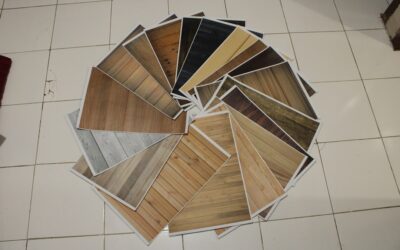
A four-season sunroom behaves like any interior room, with one twist: intense UV and big temperature swings near the glass. Porcelain tile, luxury vinyl plank rated for sunrooms, and engineered hardwood with UV-resistant finish all perform well. Solid hardwood can fade and cup in strong sun. Some vinyl products warn against extreme heat in rooms with lots of glass, so check the manufacturer’s guidance and consider window film or shades. Three-season rooms that go unheated in winter need flooring that tolerates cold, such as tile or stone, rather than products with narrow temperature limits.
Maintenance and Long-Term Upkeep
Screened porches are simple but not maintenance-free. Screens tear, especially with pets and kids, and replacing a panel runs about $50 to $200 depending on size and screen type. Wood framing needs sealing or paint every few years, and floors collect leaves and pollen. Many owners add removable vinyl or acrylic panels to stretch the season, which turns the porch into a partial three-season room at modest cost.
Sunrooms trade screen repairs for window care. Glass needs cleaning inside and out, seals and weatherstripping wear, and skylights or glass roofs can leak if flashing fails. Four-season rooms add HVAC service to the list. On the plus side, furniture, rugs, and electronics are protected, so you can furnish a sunroom like a living room.
Resale Value and Home Appraisal
Value is where the sunroom vs screened porch debate gets nuanced. A four-season sunroom that is heated, cooled, and permitted is often counted as finished living space, which can raise the home’s gross living area on an appraisal. Three-season rooms and screened porches usually are not counted in square footage, though appraisers may still give them credit as amenities.
Cost recovery at sale rarely matches what you spend on either addition. Screened porches tend to recoup a respectable share of their cost because they are affordable and broadly appealing, especially in warm and mosquito-prone regions. Expensive sunrooms can be harder to recover dollar for dollar. The better way to judge value is personal: how many hours will your family actually spend there over the next ten years?
How to Decide Which One Fits Your Home
Use these questions to narrow the choice:
- How many months do you want to use it? Warm-weather months only points to a screened porch; winter use points to a four-season sunroom.
- What is your total budget? Include HVAC, electrical, flooring, and furniture, not just the shell.
- What faces the addition? South and west exposures heat up quickly behind glass; north-facing rooms stay cooler but gain less winter sun.
- Do you want an outdoor feel? Some people buy a porch for the breeze and the sound of rain, and a sunroom simply cannot replicate that.
- Could you upgrade later? Framing a screened porch with a properly sized foundation and roof leaves the door open to adding glass panels down the road.
A practical middle path is a screened porch built with removable glass or vinyl panels. You get the breezy summer room most families want, plus a buffer against spring and fall chill, at a cost well below a conditioned sunroom.
Frequently Asked Questions
Is a sunroom or a screened porch cheaper to build?
A screened porch is almost always cheaper, often by half or more, because screen costs far less than insulated glass and there is no heating or cooling to install.
Can I convert a screened porch into a sunroom later?
Often yes, but the foundation, framing, and roof must support the added weight of glass and insulation. Have a contractor check the structure before planning the conversion.
Does a sunroom count as square footage?
A four-season sunroom that is heated, cooled, and built to code is frequently counted as living area. Three-season rooms and screened porches usually are not.
Which is better in a hot climate?
In hot, humid regions a screened porch with ceiling fans is usually more comfortable and economical. A glass sunroom there needs strong air conditioning and shading to stay pleasant.