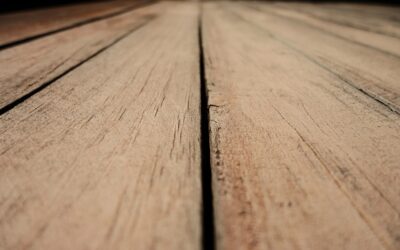
Wet composite decking near a pool or on a boat dock can be surprisingly treacherous, and that is exactly the problem Sure Step decking was built to solve. Instead of a smooth capped surface, these boards use a textured, high-traction PVC face engineered to keep its grip even when soaked. If you have ever slipped on a slick deck board coming out of a pool, you understand why slip-resistant decking exists as its own category. Over years of building waterfront and pool-adjacent decks, I have learned that traction is not a luxury in those spots, it is a safety requirement.
Part of our Decks & Outdoor guide — explore the full guide →
- What Sure Step Decking Is
- Slip Resistance and Safety Ratings
- Board Sizes and Profiles
- Sure Step Decking Cost
- Installing Solid Slip-Resistant Planks
- Membrane and Waterproof Deck Systems
- Maintenance and Longevity
- Slip-Resistant Decking vs Regular Composite
- Sizing and Planning Your Deck Surface
- Is Sure Step Decking Right for You?
What Sure Step Decking Is
Sure Step is a slip-resistant PVC and vinyl decking product designed for wet, high-traffic, and barefoot environments. Unlike wood or wood-composite boards, it is a cellular PVC or vinyl-clad board with an aggressively textured walking surface. Some versions are solid PVC planks, while others are a vinyl membrane or aluminum-backed board used as a waterproof deck surface over living space. The common thread is the top texture, which is molded or embossed to break the water film that makes ordinary decking slick.
You will find this style of decking specified for boat docks, marina walkways, pool surrounds, rooftop decks, ramps, and anywhere ADA accessibility standards call for a firm, stable, slip-resistant walking surface. The material shrugs off constant moisture because there is no organic content to rot, swell, or feed mold.
Slip Resistance and Safety Ratings
The whole point of this decking is traction, measured by a coefficient of friction (COF). Slip-resistant decking targets a static COF of 0.5 or higher when wet, which is the threshold many accessibility guidelines reference for safe walking surfaces. Sure Step’s molded texture is designed to hold that grip in wet conditions, not just dry.
That makes it a natural fit for a few specific situations:
- Pool decks: Constant splashing keeps the surface wet, and bare feet need grip.
- Boat docks and marinas: Spray, rain, and algae make ordinary boards dangerous.
- Ramps and ADA paths: Sloped walking surfaces demand higher friction, especially when wet.
- Rooftop and waterproof decks: Membrane-style versions double as the waterproofing layer over living space below.
Board Sizes and Profiles
Solid PVC slip-resistant planks typically run 1 inch thick by 5.5 inches wide in 12-, 16-, and 20-foot lengths, matching standard decking dimensions so they integrate with normal framing and railings. Membrane and roll-good versions come in wide sheets, often 6 to 10 feet wide, rolled out and heat-welded at the seams to create a continuous waterproof surface. Aluminum-plank slip-resistant systems interlock plank to plank and are common on docks and elevated walkways because they are light and will never rot.
Color choice tends to be more limited than decorative composites, leaning toward practical grays, tans, and driftwood tones. Because the surface is textured for grip rather than styled for looks, you trade some of the realistic wood grain of a premium composite for real-world safety.
Sure Step Decking Cost
Slip-resistant PVC decking material generally runs $6 to $12 per square foot, putting it in the mid-to-upper composite price range. Membrane and roll-good waterproof decking systems, which also serve as your waterproofing layer, run higher once installation is included because they require trained installers and heat-welded seams.
Installed costs vary widely by application:
- Solid slip-resistant PVC planks over existing framing: $18 to $35 per square foot installed
- Waterproof membrane decking over living space: $15 to $30 per square foot installed
- Aluminum dock decking systems: $20 to $40 per square foot installed
For a 200-square-foot pool deck surface, budget roughly $1,200 to $2,400 in slip-resistant plank material before framing and labor. The premium over ordinary decking buys you traction and, in the membrane versions, a genuine waterproof barrier you cannot get from a standard board.
Installing Solid Slip-Resistant Planks
Solid PVC slip-resistant boards install much like any composite deck. Frame joists at 16 inches on center, or 12 inches on center for angled boards and stair treads. PVC expands and contracts more than wood with temperature, so leave a 3/16-inch side gap and a generous end gap, up to 1/4 inch, adjusting wider in cold weather.
Most solid planks accept hidden fasteners in a grooved edge, though some slip-resistant boards are designed to top-screw with color-matched screws driven flush so nothing snags a bare foot. Predrill and countersink if you face-screw, and never leave a screw head proud of the surface. Use stainless fasteners on docks and near saltwater to avoid rust staining.
Membrane and Waterproof Deck Systems
The membrane style is a different animal and is really a job for a trained installer. The vinyl sheet is rolled over a properly sloped, solid plywood substrate, then the seams are hot-air welded to fuse into one continuous surface. Because this doubles as your roof or waterproofing, slope matters: build in at least 1/4 inch of fall per foot toward drains or scuppers so water sheds and never ponds.
Flashing at walls, posts, and edges must be integrated under the membrane, not caulked over the top. A poorly detailed edge is where these systems leak, so if you are covering living space below, this is not the place to cut corners on the waterproofing details.
Maintenance and Longevity
Slip-resistant decking is low maintenance but not no maintenance. The textured surface that gives you grip also catches dirt, sunscreen, algae, and pollen, so plan to wash it a few times a year. Use soap, water, and a stiff-bristle brush, or a pressure washer on a low setting held well back from the surface. Do not use harsh solvents that can dull or degrade the PVC.
UV stability is good on quality PVC decking, so fading is slow, and the material never needs staining or sealing. On docks, rinse off salt periodically and check fasteners for corrosion. With reasonable care, a solid PVC slip-resistant deck should last 20 to 30 years.
Slip-Resistant Decking vs Regular Composite
It helps to be clear about what you gain and give up versus an ordinary capped composite. A standard composite board is smooth or lightly grained for looks, and while quality composites are reasonably slip-resistant dry, most get noticeably slick when soaked, especially with a film of pollen or algae on top. Slip-resistant decking trades that smooth, decorative face for an aggressive texture engineered specifically to shed the water film and hold grip.
- Traction when wet: Slip-resistant decking wins clearly; regular composite can be dangerous around water.
- Appearance: Decorative composite offers more realistic grain and richer color; slip-resistant boards look more utilitarian.
- Cleaning: The textured surface catches more grime, so slip-resistant decking takes a bit more scrubbing.
- Cost: Roughly comparable per square foot for solid PVC, higher for membrane systems that also waterproof.
For a dry backyard deck, the decorative composite is the better everyday choice. For anywhere wet feet meet the surface, the safety of a textured board is worth the trade in looks.
Sizing and Planning Your Deck Surface
Measure your deck surface in square feet and add about 10 percent for waste, cuts, and the occasional damaged board. For solid planks, factor the board length against your run so you minimize butt joints, and buy full boards that span the deck where possible. If you are using a membrane system, the substrate has to be smooth, solid, exterior-grade plywood, typically two layers with staggered seams, because any bump or gap telegraphs through the vinyl and becomes a wear point.
Think through the details before you order. Stair treads, ramp transitions, and edges where the deck meets a threshold all need slip resistance too, since those are exactly the spots where a slip does the most damage. On a dock, plan for the boards to extend past the framing slightly and account for stainless hardware throughout. Getting the material list right up front saves a second trip and keeps color batches consistent across the job.
Is Sure Step Decking Right for You?
If your deck sees water, whether it is a pool surround, a dock, a ramp, or a rooftop deck over living space, slip-resistant decking earns its price. The traction is genuinely better than a smooth composite when wet, and the waterproof membrane versions solve a problem ordinary boards cannot touch. For a dry, standard backyard deck where looks lead the decision, a decorative capped composite will give you more grain and color options for the money. Match the product to the environment, and slip-resistant decking like Sure Step is a smart, safety-first choice for the places where footing actually matters.