Wet decks send thousands of people to the emergency room every year, and a smooth board near a pool or in a rainy climate is an accident waiting to happen. Anti slip composite decking is engineered to grip underfoot even when soaked, using textured surfaces and specialized coatings that ordinary boards lack. If your deck sees rain, snow, pool splashes, or morning dew, choosing a slip-resistant board is not a luxury; it is the difference between a safe outdoor space and a hazard.
Part of our Decks & Outdoor guide — explore the full guide →
Why Slip Resistance Matters
Composite decking is prized for being low-maintenance, but not every composite is equally sure-footed. Some smooth or heavily capped boards can actually get slick when wet, algae, rain, and pool water all reduce traction.
The risk climbs on stairs, ramps, and around water features, where a single slip can cause serious injury. For homes with kids, older adults, or a pool, slip resistance should sit at the top of the decking checklist alongside looks and price.
How Slip Ratings Work
Manufacturers test traction and publish ratings so you can compare boards objectively. The most common measure is the coefficient of friction, or COF, with higher numbers meaning better grip.
Look for boards that carry an ADA-compliant slip rating, generally a wet COF of 0.42 or higher for level surfaces and more for ramps. Some brands cite a “pendulum test value” (PTV) or an R-rating instead. Whatever the scale, favor products specifically marketed and tested for wet slip resistance rather than assuming any composite will do.
What Makes a Board Slip-Resistant
The grip comes from surface engineering, not luck. A few features do the work.
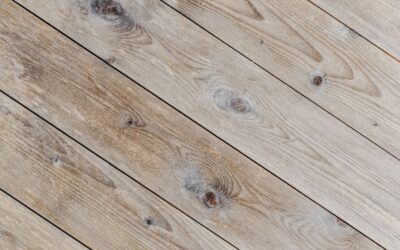
- Deep wood-grain embossing: A textured surface channels water and gives shoes something to bite.
- Brushed or wire-brushed finish: A subtly rough texture that stays grippy when wet.
- Grooved profiles: Linear grooves that break the water film and improve traction.
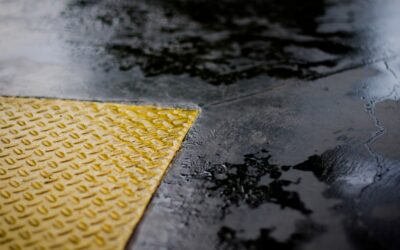
- Anti-slip strips or coatings: Aftermarket textured strips for stairs and high-traffic zones.
A matte, textured board almost always outperforms a glossy, smooth one in wet conditions.
Top Brands and Products
Several manufacturers build slip resistance into their lines. Trex Transcend and Enhance offer deep-grain textures that perform well wet, while TimberTech AZEK’s PVC boards pair grip with excellent moisture resistance.
For maximum traction, look at boards specifically labeled anti-slip or grip-rated, some European and specialty brands mold grit or a mineral texture directly into the surface for stair-nosing and ramp applications. If you already have decking, aftermarket anti-slip strips or a textured deck coating can upgrade the grippiest problem areas like steps.
Where Slip Resistance Is Critical
Some zones demand the most aggressive texture you can get. Prioritize slip-resistant boards on stairs and stair treads, which are the highest-risk area of any deck, and on ramps, which are governed by stricter traction standards.
Pool surrounds, hot tub decks, and any north-facing surface that stays damp and grows algae also warrant the grippiest option. In these spots, consider adding grip strips even to already-textured boards for an extra margin of safety underfoot.
Installation and Maintenance for Grip
How you build and maintain the deck affects traction over time. Install boards with the recommended gaps and a slight slope so water drains rather than pooling, standing water breeds the algae that makes any surface slick.
Keep the deck clean, since dirt, pollen, and algae films are the main culprits behind lost grip. A periodic wash with soap and water, or a gentle deck cleaner for algae, restores the surface texture’s effectiveness. Avoid heavy pressure washing that can smooth or damage the embossed grain that provides traction in the first place.
Cost Considerations
Anti-slip composite runs in the same range as standard composite, roughly $4 to $12 per square foot for materials, with premium textured and PVC boards at the higher end. Installed, expect $30 to $60 per square foot including framing and labor.
The safety upgrade adds little or nothing over a comparable smooth composite, so there is rarely a reason to skip it in a wet-prone location. Weigh the modest cost against the real danger of a slick deck, and anti slip composite decking is one of the easiest safety investments you can build into an outdoor space that gets wet.
Retrofitting Grip to an Existing Deck
You do not need to rip out a deck to make it safer. Several aftermarket solutions add traction to boards you already have. Adhesive anti-slip strips, the same textured tape used on commercial stairs, bond to individual treads and high-traffic zones and provide immediate, aggressive grip for a few dollars per strip.
For a whole-deck refresh, a textured anti-slip deck coating rolls on like paint and embeds fine grit into a durable film, transforming a slick surface into a grippy one. These coatings last several years and can be reapplied. On stairs specifically, add a contrasting grip strip to each nosing, which improves both traction and visibility of the step edge in low light.
Balancing Grip, Comfort, and Looks
The grippiest surface is not automatically the best choice, so weigh the tradeoffs. Very aggressive textures grip superbly but can feel harsh on bare feet, which matters around a pool, and they trap more dirt in their deep grain, requiring more frequent cleaning.
A moderate wood-grain or brushed texture usually hits the sweet spot for a family deck: sure-footed when wet, comfortable underfoot, and easy to keep clean. Reserve the most aggressive grip for the true danger zones, stairs, ramps, and immediate pool edges, and use a gentler textured board across the main deck field. Matching the level of grip to each area gives you safety where it counts without sacrificing everyday comfort. Bring home a few board samples, wet them down, and stand on them with bare feet before you order, since the way a texture actually feels underfoot tells you far more than any spec sheet about whether it suits your family and your climate.