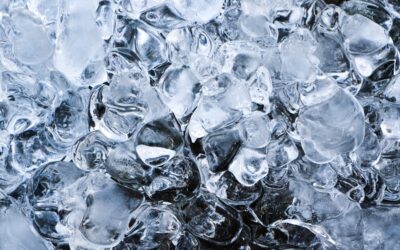
A table top ice maker is the fastest way to get fresh ice without a plumber, a drain line, or a fridge with a built-in dispenser. You pour water into a reservoir, press a button, and the first batch drops in six to ten minutes. That’s the whole pitch, and after fixing dozens of these units on the bench, I can tell you they mostly live up to it.
Where people get burned is picking the wrong type, misreading the production numbers, or skipping the cleaning that keeps the pump alive. Let’s fix all three so your table top ice maker lasts past its first summer.
- Two Ice Types: Bullet vs. Nugget
- How Much Ice Do These Actually Make?
- No Drain Line, No Plumbing
- Cleaning: The Step That Kills or Saves the Machine
- What to Look for When Buying
- Troubleshooting Common Problems
- Water Quality Changes Everything
- Running Costs and Noise
- Is a Countertop Model Right for You?
Two Ice Types: Bullet vs. Nugget
Nearly every countertop unit falls into one of two camps, and the difference matters more than the price tag.
- Bullet ice makers are the cheap, common ones ($90–$150). Metal prongs drop into the water, ice freezes onto them in a hollow cylinder, then a small heater releases the “bullets.” They’re fast (first batch in 6–8 minutes), compact, and use a simple compressor. The catch: the ice is cloudy, hollow, and melts quickly. It’s fine for coffee, water, and cocktails you’ll drink now.
- Nugget ice makers ($350–$650, the GE Profile Opal being the poster child) freeze a thin sheet of ice, scrape it off with an auger, and compress the flakes into chewable pellets. This is the “Sonic ice” or “pebble ice” people obsess over. It’s soft, absorbs flavor, and doesn’t dilute your drink as fast. It costs more, runs slower on production, and needs more frequent cleaning because of the auger and extra moving parts.
If you just want cold drinks, buy bullet. If chewable pebble ice is the reason you’re shopping, spend the money on nugget — a cheap bullet machine will not scratch that itch.
How Much Ice Do These Actually Make?
The marketing number and the useful number are two different things. A bullet unit advertised at “26 lbs per day” produces that only if you empty it constantly, because these machines have no freezer. Ice sits in an unrefrigerated basket and starts melting the moment the compressor stops.
Realistic expectations:
- Bullet units: 9 bullets every 6–9 minutes, roughly 1.5–2 lbs per hour when running non-stop. The 26 lb/day rating assumes zero melt and constant harvesting.
- Nugget units (Opal-class): about 1 lb per hour, up to 24 lbs/day. First nugget in about 15–20 minutes from a cold start. Many hold roughly 3 lbs in the bin.
The melted water doesn’t go to waste — it drains back into the reservoir and gets refrozen. That’s exactly why cleaning matters, because you’re recirculating the same water and any mineral scale with it.
No Drain Line, No Plumbing
The headline convenience of any countertop model is that it needs no water hookup and no drain. Fill the reservoir (usually 2–3 quarts) with filtered or tap water, plug into a standard 115V outlet, and go. Melt recirculates internally.
A few practical notes from the bench:
- Most units have a drain plug on the bottom — a rubber cap or screw. Empty the reservoir through it when you’re done for the day, or the standing water grows biofilm within a week.
- Leave 4–6 inches of clearance around the vents. The compressor dumps heat, and a unit crammed into a cabinet corner will make ice slowly and run hot.
- Set it on a level surface. The water-level and ice-full sensors rely on gravity; a tilted unit throws false “add water” or “ice full” errors.
- Use water at or below 90°F. Warm water confuses the freeze cycle and stretches batch times.
Cleaning: The Step That Kills or Saves the Machine
Recirculated water plus a warm plastic reservoir is a perfect environment for slime and scale. The number one repair I see is a dead or weak water pump clogged with mineral buildup, and it’s almost always preventable.
Basic routine:
- Every 1–2 weeks: Drain the reservoir, wipe the interior with a damp cloth, and refill with fresh water.
- Monthly descale: Mix 1 tablespoon of citric acid (or a 10:1 water-to-vinegar solution) into the reservoir. Run 2–3 cycles without collecting the ice, then discard that ice. Drain, refill with plain water, and run one more rinse cycle to flush the acid.
- Never use bleach in the water path unless the manual specifically calls for a diluted sanitizer, and always rinse thoroughly afterward. Bleach pits some plastics and leaves a taste.
Nugget machines need more attention because the auger and ice chute collect slush. Wipe the auger area whenever you drain. If your ice starts tasting off or comes out cloudy and slow, that’s your cue to descale — don’t wait.
What to Look for When Buying
Beyond the ice type, these features separate a unit you’ll keep from one you’ll return:
- Self-cleaning cycle: Many mid-range units have a button that runs a rinse loop. It doesn’t replace descaling but makes maintenance easier.
- Ice-full auto shutoff: Standard on decent units. A sensor stops production when the basket is full so it doesn’t overflow.
- Side window or clear lid: Lets you see the ice level without opening and warming the bin.
- Cube size selector: Bullet units often offer small/medium settings. Small freezes faster; large lasts longer.
- Reservoir size: Bigger means fewer refills, but a larger footprint. Measure your counter and cabinet clearance before buying.
Skip the units with no auto shutoff and no drain plug — they’re the ones that flood counters and grow slime.
Troubleshooting Common Problems
Most failures are simple. Before you toss the machine, check these:
- Ice comes out too thin or hollow: Water is too warm or the reservoir is low. Use colder water and top it off.
- “Add Water” light stays on with a full tank: The float sensor is stuck or scaled. Descale and make sure the unit is level.
- “Ice Full” light with an empty basket: The infrared sensor is dirty or blocked by frost. Wipe it dry and check the basket seats correctly.
- Weak or no ice output: Clogged pump from scale, or the unit is overheating from poor ventilation. Descale and give it breathing room.
- Loud grinding on a nugget unit: Auger jam or worn bearing. Power off, clear any ice chunks, and if it persists the auger assembly may need service.
Water Quality Changes Everything
The water you pour in becomes the ice you chew, and it also decides how long the machine lasts. Hard water — anything above about 7 grains per gallon or 120 ppm — leaves scale on the freeze prongs and inside the pump faster than anything else. If your area has hard water, that monthly descale becomes a every-two-weeks descale, or you switch to filtered water.
Practical water choices:
- Filtered tap or pitcher water is the sweet spot: cheap, low in chlorine taste, and lower in the minerals that build scale.
- Distilled or reverse-osmosis water makes the clearest ice and almost never scales, but some units’ water-level sensors are conductivity-based and can misread ultra-pure water. If you get false “add water” errors on distilled, blend in a little tap water.
- Straight hard tap water works but doubles your cleaning load and can leave a chalky film on the ice within a couple of weeks.
Cloudy, fast-melting ice is normal for these machines regardless of water — countertop units freeze quickly, which traps air and minerals. Clear ice needs slow directional freezing that only dedicated clear-ice makers do. Don’t chase perfectly clear cubes from a $120 bullet machine; it can’t happen physically.
Running Costs and Noise
Electricity is cheap on these. A typical bullet unit draws 100–150 watts while the compressor runs, so a full day of on-and-off cycling costs pennies to maybe a quarter, depending on your rate. Nugget machines like the Opal pull a bit more, roughly 150–200 watts, because the auger motor runs alongside the compressor.
Noise is worth mentioning before you put one in a quiet office. The compressor hums like a small fridge, and every harvest cycle ends with ice clattering into the bin — a distinct clunk every few minutes. Nugget units add a steady auger grind. It’s not loud, but it’s not silent, so don’t set it next to your desk or a baby’s room.
Is a Countertop Model Right for You?
These machines shine for apartments, offices, dorms, RVs, boats, and anyone who can’t or won’t run a water line. They’re portable, quiet enough for a kitchen, and cheap to run — roughly a few cents of electricity per pound of ice.
They are not a substitute for a built-in ice maker if you need a constant reserve, because there’s no freezer to hold a stockpile. Ice melts, recirculates, and refreezes. For a party you’ll still want a bag from the store, but for daily fresh ice on demand, a good table top ice maker earns its counter space fast. Match the ice type to what you actually drink, keep it descaled monthly, and drain it when it’s idle — do that and you’ll get years out of a $120 machine.