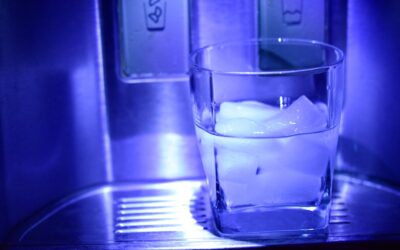
If you have ever chewed the soft, pebbly ice from a Sonic drink or a hospital cafeteria and wished you could make it at home, the opal ice maker is the machine that finally lets you do it on your kitchen counter. The GE Profile Opal is a countertop nugget ice machine that produces roughly a pound of chewable ice an hour, and once you own one, standard freezer cubes start to feel like a downgrade.
This guide walks through how the opal ice maker actually works, what setup and daily use look like, how to keep it running for years, and the running costs nobody mentions in the glossy product photos. I have installed and serviced a lot of small appliances, and nugget makers reward owners who treat cleaning as routine, not an afterthought.
What Nugget Ice Is and Why People Love It
Nugget ice, sometimes called pebble ice or chewlet ice, is not frozen from a solid block. The machine flash-freezes a thin layer of water onto a chilled cylinder, then an auger scrapes those flakes off and compresses them into small, porous pellets. Because the pellets are packed flakes rather than dense cubes, they are soft enough to chew without cracking a molar, and they soak up whatever drink they sit in.
That porosity is the whole appeal. Pour soda over nugget ice and every pellet holds flavor. It also chills a drink fast because there is more surface area touching the liquid. The tradeoff is that nugget ice melts quicker than a dense cube, so it is a “drink it now” ice, not a “leave it in the cooler for six hours” ice.
Meet the GE Profile Opal Lineup
The Opal comes in a few flavors, and knowing the differences saves you money and counter space:
- Opal 2.0: The current mainstream model. Makes up to 24 lbs of nugget ice per day, holds about 3 lbs in the bin, and includes a built-in side tank for hands-free refills plus WiFi through the SmartHQ app.
- Opal 1.0: The original. Same core mechanism, roughly 1 lb per hour, but the side tank and some app features came later or as add-ons.
- Opal Ultra / newer refreshes: Improved bin insulation and quieter operation, aimed at reducing how fast the ice melts in the storage bin.
Expect to pay somewhere between $400 and $600 depending on model, sales, and whether the side tank is bundled. The machine measures roughly 17 inches tall and 10 inches wide, so measure your counter and confirm it clears your upper cabinets before you buy.
Setting It Up the Right Way
Setup is genuinely simple, but a few first-day habits pay off later:
- Rinse before first use. Run one full cycle and discard that first batch of ice. It clears manufacturing residue from the auger and mold.
- Use filtered water. The Opal has no plumbing connection; you pour water into the reservoir. Filtered or bottled water dramatically slows scale buildup compared to hard tap water. If your home has hard water, this single choice will save you hours of cleaning over the machine’s life.
- Give it breathing room. Leave at least 4 to 5 inches of clearance behind and beside the unit. It vents heat, and a cramped spot makes it work harder and melt its own ice faster.
- Attach the side tank if you have one. The tank holds extra water and auto-feeds the reservoir, stretching a single fill to produce noticeably more ice before you top it off.
From a cold start, expect first nuggets in about 15 to 20 minutes and a full bin in a couple of hours.
Daily Use and Realistic Output
Here is the honest part: the bin is not a freezer. The Opal makes ice continuously until the bin fills, then it stops and holds. Once it stops making ice, the ice in the bin slowly melts, and the meltwater drips back into the reservoir to be refrozen. That recycling is clever, but it means the machine is happiest when you are actually using ice.
For a two-person household that fills a few glasses a day, one Opal keeps up easily. For a party where people want 20 drinks in an hour, you will outrun it, because 24 lbs a day is about 1 lb an hour. The move for events is to make ice ahead of time and stash it in a freezer bag, then let the Opal replenish through the evening.
Cleaning: The Non-Negotiable Routine
This is where owners either love their Opal for five years or curse it after eight months. Nugget makers run water over metal and plastic constantly, so mineral scale and slime are the two enemies.
- Weekly quick clean: Empty the bin and reservoir, wipe surfaces, and let it dry out for a few hours. Do not leave standing water sitting for days.
- Every 2 to 4 weeks, run the clean cycle. The Opal has a dedicated cleaning mode. Use the manufacturer’s cleaning solution or a mix of water and food-safe descaler. Follow it with a rinse cycle so you are not chewing citric acid later.
- Descale on schedule if you have hard water. Scale on the freezing cylinder kills output first. If your ice production drops noticeably, scale is usually the culprit before anything mechanical.
- Sanitize the reservoir. A capful of ice-machine sanitizer in the water, run through and rinsed, keeps pink or black slime from forming in the corners you cannot reach.
Skip cleaning and you get cloudy, off-tasting ice, slower production, and eventually error codes. Ten minutes every couple of weeks prevents all of it.
Common Problems and Quick Fixes
Most Opal complaints trace back to a handful of issues you can solve yourself:
- Not making ice / stops early: Usually low water, a clogged reservoir screen, or heavy scale. Refill, clean the intake screen, and run a descale cycle before assuming the machine is dead.
- Ice tastes bad: Almost always a cleaning issue or old water sitting in the reservoir. Dump the water, run a clean-and-rinse, and use fresh filtered water.
- Loud grinding: The auger scraping against scale or a jam. Power down, empty everything, and run a cleaning cycle. Persistent grinding after cleaning means the auger motor needs service.
- Melts too fast: Expected behavior, but worse in a hot kitchen or a cramped cabinet. Improve ventilation and keep the lid closed.
- App won’t connect: Confirm it is on your 2.4 GHz WiFi band, not 5 GHz. Most smart-home connection failures are simply the wrong band.
The Opal has no sealed refrigerant system you should ever open. If the compressor or refrigeration side fails, that is warranty or professional service territory, not a countertop DIY.
Running Costs and Is It Worth It
Electricity is modest, roughly a few dollars a month with regular use, since it is a small compressor cycling on and off rather than running flat out. The real ongoing costs are cleaning supplies and water. Budget maybe $30 to $50 a year for descaler and sanitizer, more if you skip filtered water and fight constant scale.
So is the Opal worth $400-plus? If you drink a lot of iced beverages and genuinely prefer nugget ice, yes, it earns its keep and it is far cheaper than a built-in nugget machine that runs well over $2,000 plumbed in. If you only occasionally want ice, a bag from the store is cheaper. The Opal is for people who want that specific chewable ice on demand, every day.
Buying Tips Before You Commit
- Get the model with the side tank included; refilling a small reservoir constantly gets old fast.
- Measure vertical clearance under cabinets, not just counter footprint. The lid opens upward.
- Register for the warranty and keep your receipt. Compressor coverage is what you are really protecting.
- Commit to filtered water from day one. It is the single biggest factor in how long yours lasts.
Treat it like the small refrigeration appliance it is, keep it clean, feed it good water, and an Opal will hand you a bin of perfect pebble ice every morning for years. For a countertop machine, that is a genuinely good trade.