Of all the tile I install, nothing changes a kitchen’s personality per square foot like Talavera. A talavera tile backsplash brings hand-painted Mexican color — cobalts, marigolds, terracottas, greens — into the hardest-working wall of the house, and even a small run behind a range can carry an entire room’s design. But Talavera is also one of the most misunderstood products I work with: the market is flooded with everything from museum-grade certified pieces to $2 machine-printed imitations, and the installation has quirks that standard-tile habits get wrong. Here’s the full picture from someone who has set thousands of these little hand-painted squares.
What Talavera Actually Is
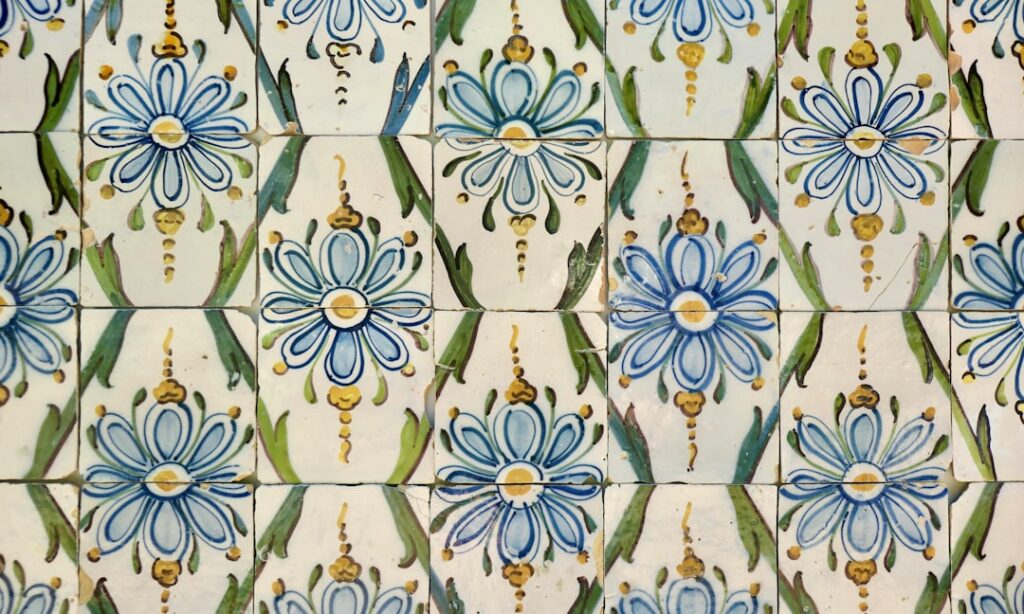
Talavera is tin-glazed earthenware from Mexico, a craft tradition carried from Spain to Puebla in the 1500s and blended with indigenous Mexican artistry. Authentic production is still centered around Puebla and Dolores Hidalgo: local clay, hand-formed, fired, dipped in a milky tin glaze, then hand-painted with mineral pigments and fired again. The hallmarks:
- Hand-painted variation — brushstrokes visible, patterns that vary slightly tile to tile, minor asymmetries. No two tiles identical.
- Soft earthenware body — this is not porcelain. It’s a relatively porous, low-fired clay, typically 1/4 to 3/8 inch thick, in 2×2, 4×4, and 6×6 formats.
- Slightly irregular dimensions and surfaces — tiles cup and vary a millimeter or two; the glaze pools and thins charmingly.
- The classic palette — cobalt blue on white is the historic signature, expanded over centuries to yellows, greens, oranges, and terracotta.
Strictly speaking, certified “Talavera de Puebla” is a protected denomination-of-origin product from licensed workshops, the way Champagne is protected — those pieces carry certification and premium pricing. The broader market term covers quality hand-painted Mexican tile from Dolores Hidalgo and elsewhere, which is what most US backsplashes use, plus a sea of machine-made look-alikes.
Authentic vs. Reproduction: How to Tell and What to Pay
| Type | Price (4×4) | How to Identify | Backsplash Verdict |
|---|---|---|---|
| Certified Talavera de Puebla | $4–$12+ per tile | Workshop signature/certification, visible brushwork, weight and body irregularities | Heirloom-grade; overkill for most, wonderful if budget allows |
| Quality hand-painted Mexican tile | $1.50–$5 per tile ($15–$40/sq ft equivalent at 4×4… realistically $12–$30/sq ft) | Brushstrokes vary tile to tile; backs show clay body; slight cupping | The sweet spot — what I install most |
| Machine/screen-printed ceramic “Talavera style” | $0.50–$2 per tile | Identical patterns tile after tile, dead-flat faces, uniform edges | Fine on a budget; loses the point up close |
| Porcelain Talavera-look (inkjet) | $4–$8/sq ft | Large formats, printed variation, porcelain body | Best for floors; acceptable walls |
Sourcing practicalities: US importers and border-state tile shops stock deep inventories; buying direct from Mexican workshops is viable for patient projects (lead times of 4 to 10 weeks for custom colors). Whatever the source, order 15 percent overage from a single lot — hand-mixed glazes shift between batches, and cobalt especially varies. Inspect on arrival: some chipped corners and glaze pops are normal and usable in cut zones; wholesale cracking is a shipping claim.
Designing With Color: Restraint Wins
The classic mistake is treating Talavera like wallpaper — patterned tile on every inch, floor to ceiling, forty pattern designs shuffled together. Traditional Mexican kitchens actually deploy it with structure. Approaches that consistently work:
- Field-and-accent: solid handmade Mexican tile (white, cream, or a single color) as the field with patterned Talavera scattered at 10 to 25 percent, randomly or on a diagonal rhythm. The most livable version, and the cheapest — solids run half the price of painted patterns.
- The framed mural or panel: a concentrated patterned panel behind the range — 2×3 to 3×4 feet — framed with a painted border tile, floating in a quiet field. Maximum drama, contained. Pre-composed mural sets (fruit bowls, talavera urns, sunbursts) run $150 to $600.
- Border discipline: patterned Talavera as a one- or two-course band at the counter line or along the top edge, everything else solid.
- All-over pattern, one design: a single repeating pattern across the whole backsplash reads coherent where a mixed-pattern quilt reads chaotic. If you love the quilt look — a legitimate tradition — limit the mix to one color family (all blues, say) to keep order in the noise.
Pair the palette with your counters early: Talavera’s saturated cobalt and marigold fight busy granite. Quiet counters — butcher block, soapstone, plain quartz, warm white — let the tile own the color story.
Installation: Where Standard Habits Go Wrong
Talavera installs like handmade tile, because it is. The adjustments that matter:
- Expect irregularity and plan joints for it. These tiles are not rectified. Use 1/8 to 3/16-inch joints — enough room to absorb size variation and keep pattern rows tracking straight. Snap reference lines and check course alignment every few rows; you steer constantly with handmade tile.
- Shuffle boxes and dry-lay pattern placement. For field-and-accent designs, tape a full-wall mockup layout or mark accent positions on the wall. Random-but-balanced takes planning; true random produces clusters.
- Back-butter onto a flat substrate. Slight tile cupping means comb the wall and butter each tile for full contact. Standard polymer-modified thinset, white, since glaze and body are light.
- Cut wet and slow. Soft earthenware cuts easily but chips at glaze edges when rushed; a fresh blade and gentle feed keep painted faces crisp. Plan layouts so cuts land at perimeters and corners, not through the middle of a painted motif — a beheaded bird or bisected medallion is what everyone will see.
- Grout gently, in the right color. Unsanded or fine-sanded grout in warm white, bone, or light tan. Dark contrasting grout grids the wall and fights the hand-painted flow, and pigmented grout can shadow into any glaze crazing. Wipe promptly; aged glaze pinholes will grab grout if you let it set up long.
- Sealing: the glazed faces don’t need it, but a penetrating sealer over the grout (or an epoxy grout from the start) matters behind a range where grease is daily weather. Any crazed or matte-finish pieces benefit from a coat of penetrating sealer too.
Labor pricing: expect $12 to $22 per square foot for installation, at the higher end for mural work and accent layouts — the layout management is the skill. A typical 30-square-foot backsplash lands at $900 to $1,800 installed on top of tile cost.
Living With It
Behind a stove, Talavera earns its keep — glazed earthenware wipes down like any ceramic. Use non-abrasive cleaners; the tin glaze is softer than porcelain glaze and scouring powder will eventually dull and scratch the painted faces. Degrease with dish soap and warm water or a gentle alkaline spray, not vinegar-heavy products if any crazing is present. Expect the surface to develop tiny character marks over decades. In Mexico, hundred-year-old installations are the proof of concept: this is durable art, not delicate art.
Making Talavera Work With Modern Kitchens
A question I field constantly: does Talavera only belong in Spanish-colonial and hacienda-style homes? Not anymore. Some of my favorite recent installs put hand-painted Mexican tile into otherwise contemporary kitchens, and the formula is consistent — modern cabinetry in a solid color pulled from the tile (deep blue flat-panel under cobalt Talavera is a knockout), plain counters, minimal hardware, and the tile as the room’s single ornament. The contrast between machine-made surroundings and handmade tile actually heightens both. What to avoid in modern settings: mixing Talavera with other statement materials (patterned floor tile, heavily veined stone), rustic-on-rustic overload if your kitchen already has open shelving and butcher block everywhere, and under-cabinet lighting aimed to rake across the tile — hand-made surfaces ripple, and harsh raking light exaggerates it unflatteringly, so aim strips outward toward the counter edge instead. One more modern-context tip: in open-plan homes, the backsplash colors register from the living space, so audit your Talavera palette against the whole floor’s scheme, not just the kitchen. A tile that sings against white shaker cabinets can clash loudly with a terracotta sofa forty feet away in the same sightline.
My closing advice: buy real hand-painted tile even if it means buying less of it. One framed panel of genuine brushwork behind the range, floating in affordable solid field tile, beats a whole wall of machine-printed imitation for the same budget — and it’s the version guests reach out and touch. Source from one lot, give the layout a full dry run, keep the grout quiet, and let the painters in Puebla and Dolores Hidalgo do what they’ve done for four hundred years. A talavera tile backsplash done with that kind of restraint isn’t a trend purchase; it’s a small permanent gallery in the busiest room of your house.
Prefer to explore on your own?
See how new flooring looks in your actual room in seconds — free, no signup.
Try the free Floor Studio →