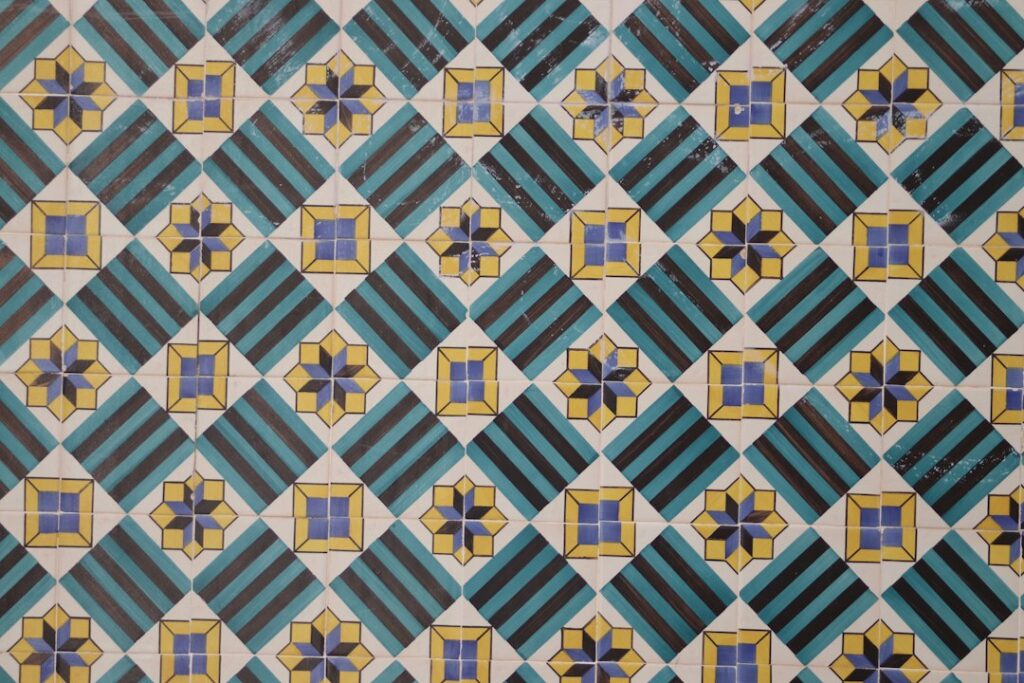
Teal sits right between blue and green, and that middle position is what makes it so useful. It has the calm of blue and the freshness of green, yet it carries more personality than either. A teal accent wall can make a plain bedroom feel moody and enveloping, give a white living room a confident focal point, or turn a small bathroom into something that feels like a boutique hotel. The trick is choosing the right depth of teal for the room’s light and pairing it with finishes that let it shine.
The short answer: use a soft, grayed teal in rooms with little natural light or when you want a quiet backdrop. Choose a mid-tone teal for living rooms and kitchens where you want color without drama. Save dark teal for bedrooms, offices, dining rooms and powder rooms where a cocooning, rich feeling is the goal. Paint the wall your eye lands on first when you enter the room, and repeat teal in at least one or two accessories so it looks intentional.
We cover room-by-room ideas, shade guidance, color and material pairings, and step-by-step painting tips for a crisp result.
How to Choose a Teal Accent Wall Shade
Teal ranges widely, and the undertone matters as much as the depth. Before you buy paint for a teal accent wall, look at three qualities on the swatch.
- Blue-leaning teal: cooler and more serene. It suits bedrooms, bathrooms and rooms with warm, south-facing light that balances the coolness.
- Green-leaning teal: warmer and more lively. It works in kitchens, living rooms and north-facing rooms, which tend to make blues feel cold.
- Grayed or muted teal: softer and more sophisticated. It reads almost neutral and is the easiest place to start if you are nervous about color.
Depth is the second decision. Light teals, sometimes called aqua or seafoam, feel airy and beachy. Mid teals are balanced and cheerful. Dark teal, deep peacock and blue-green ink shades are dramatic and rich. A dark teal accent wall absorbs light, which makes a large room feel cozier and can actually make a small room feel deeper because the corners visually recede.
Always sample. Paint swatches at least 2 feet square or use large sample boards, and view them in morning, afternoon and evening light. Teal is notorious for shifting: the same paint can look green in daylight and blue under warm lamps.
Teal Accent Wall Ideas by Room
Bedroom
The wall behind the bed is the natural choice. A dark teal accent wall here creates a calming, enveloping backdrop for sleep, and it makes white or cream bedding pop. Pair it with brass or gold lamps, natural linen, and warm wood nightstands. For a lighter feel, try a soft grayed teal with white trim and pale oak furniture.
Living Room
Paint the wall behind the sofa, the fireplace wall, or the wall with built-in shelving. Mid-tone teal works well with gray, cognac leather, mustard or rust accents. A built-in bookcase painted teal on the back panels gives you an accent without committing an entire wall.
Bathroom
Teal is a natural fit for bathrooms because of its watery associations. A powder room painted dark teal from floor to ceiling, or just the vanity wall, looks bold and polished. In full bathrooms, choose a satin or eggshell finish rated for humidity and run the exhaust fan during and after showers to keep moisture off the walls.
Home Office
Blue-green tones are often linked to focus and calm, which makes teal a good office color. Paint the wall behind your desk so it shows up nicely on video calls, or paint the wall you face for a calm view. Combine with warm wood, black metal and leafy plants.
Kitchen and Dining Room
In kitchens, teal works on an island, a backsplash wall or a breakfast nook. In dining rooms, a dark teal accent wall paired with brass lighting and wood furniture creates an intimate, restaurant-style mood for evening meals.
Colors and Decor That Pair With Teal
- Warm white and cream: clean trim and ceiling colors that let teal stand out.
- Mustard and ochre: a classic complementary pairing that adds warmth.
- Coral, rust and terracotta: opposite teal on the color wheel, these create lively contrast in pillows, art and rugs.
- Blush pink: a softer contrast that feels modern and sophisticated.
- Charcoal and black: grounding accents in frames, lighting and hardware.
- Brass and gold: metal finishes that glow against teal, especially darker shades.
- Natural wood: walnut, oak and teak warm up teal and keep it from feeling cold.
Flooring matters too. Teal looks great with medium to warm wood floors, white oak, and neutral tile. Very orange wood floors can clash with green-leaning teals, so test against your floor before committing.
Sheen changes how teal reads, too. Flat and matte finishes give deep teals a velvety, chalky look that hides minor wall flaws but marks more easily. Eggshell adds a faint glow that makes the color feel richer, and satin bounces more light, which brightens darker shades slightly. If the wall sits behind a sofa or bed where hands and heads will touch it, lean toward eggshell or satin so it can be wiped clean.
Think about the adjoining rooms as well. When a teal wall is visible from a hallway or the next room, look at the neighboring wall colors in the same glance. Warm whites, soft greiges and pale sandy neutrals sit comfortably beside teal; stark cool grays can make it look harsh. Carrying a hint of teal into the next room through a pillow, print or vase ties the spaces together.
Which Wall to Paint
An accent wall should look like a deliberate focal point, not a random choice. Good candidates include:
- The wall you see first when entering the room
- The wall behind a bed, sofa, desk or dining table
- A wall with a fireplace, built-ins or architectural interest
- An alcove, nook or bump-out
Avoid walls broken up by many doors, windows or vents, since the color gets chopped into small sections. In rooms with an open floor plan, choose a wall with clear start and end points so the teal does not bleed awkwardly into adjacent spaces.
Tools and Materials
- Spackle, putty knife and 180 to 220 grit sanding sponge
- Painter’s tape and drop cloths
- Primer (tinted gray primer helps deep teals cover in fewer coats)
- Quality interior paint in eggshell or satin finish
- A paint roller kit with 3/8 inch nap covers, a tray and an extension pole
- A 2 to 2.5 inch angled sash brush for cutting in
- Step ladder and clean rags
How to Paint a Teal Accent Wall
- Prepare the room. Move furniture away from the wall, lay drop cloths and remove outlet and switch covers. Before removing covers, turn off the breaker for that circuit if you plan to paint close to exposed wiring, and confirm power is off with a non-contact voltage tester.
- Repair and clean. Fill holes, sand smooth and wipe dust away. Dark colors highlight flaws, so take extra care.
- Tape edges. Tape adjacent walls, the ceiling line and baseboards. Press tape firmly so paint cannot seep under it.
- Prime. Prime patched spots or the whole wall if you are covering a very different color. A gray-tinted primer helps deep teal reach full color.
- Cut in. Brush a 2 to 3 inch band along the edges.
- Roll. Use a W or M pattern to spread paint, then finish with long vertical strokes from top to bottom. Keep a wet edge to avoid lap marks.
- Apply a second coat. Most teals need two coats; very deep shades may need three.
- Remove tape. Pull tape at a 45 degree angle while the final coat is still slightly tacky for a sharp line.
In homes built before 1978, test existing paint for lead before sanding, and use lead-safe practices if it is present.
Troubleshooting
- Patchy color: add another coat, or use a tinted primer next time.
- Color looks too bright: switch to a grayed version of the same hue, or balance it with more neutral decor.
- Room feels too dark: add layered lighting, a lighter rug and white trim, or switch the wall to a mid-tone teal.
- Bleeding under tape: touch up with a small artist’s brush once dry.
- Visible roller marks: use a quality roller cover and finish each section with a light top-to-bottom pass.
Cost of a Teal Accent Wall
Painting a single accent wall is one of the most affordable room makeovers. Most walls need one gallon or less of paint for two coats, plus primer, tape and a roller kit. DIY costs usually land well under one hundred dollars if you already have basic tools. Hiring a painter for one accent wall typically costs a few hundred dollars, depending on wall size, prep and your local market. A professional is worth it for very tall walls, stairwells, or high ceilings that require scaffolding or tall ladders.
Frequently Asked Questions
Does a dark teal accent wall make a room look smaller?
Not necessarily. Dark colors can make corners recede and a room feel cozier. Good lighting and lighter furniture keep it from feeling cramped.
What color furniture goes with a teal accent wall?
Warm wood, cognac leather, cream upholstery, mustard and rust accents all pair well with teal. Brass and black metal finishes add contrast.
What finish should I use for a teal accent wall?
Eggshell or satin finishes look rich and clean easily. Use satin in bathrooms and kitchens where moisture and splashes are common.
Is teal a good bedroom color?
Yes. Blue-leaning and dark teals feel calm and enveloping, which suits a bedroom. Pair with soft bedding and warm lighting.
What trim color goes with teal walls?
Warm white or soft cream is the most versatile trim color. Matching the trim to the teal creates a modern, color-drenched look.