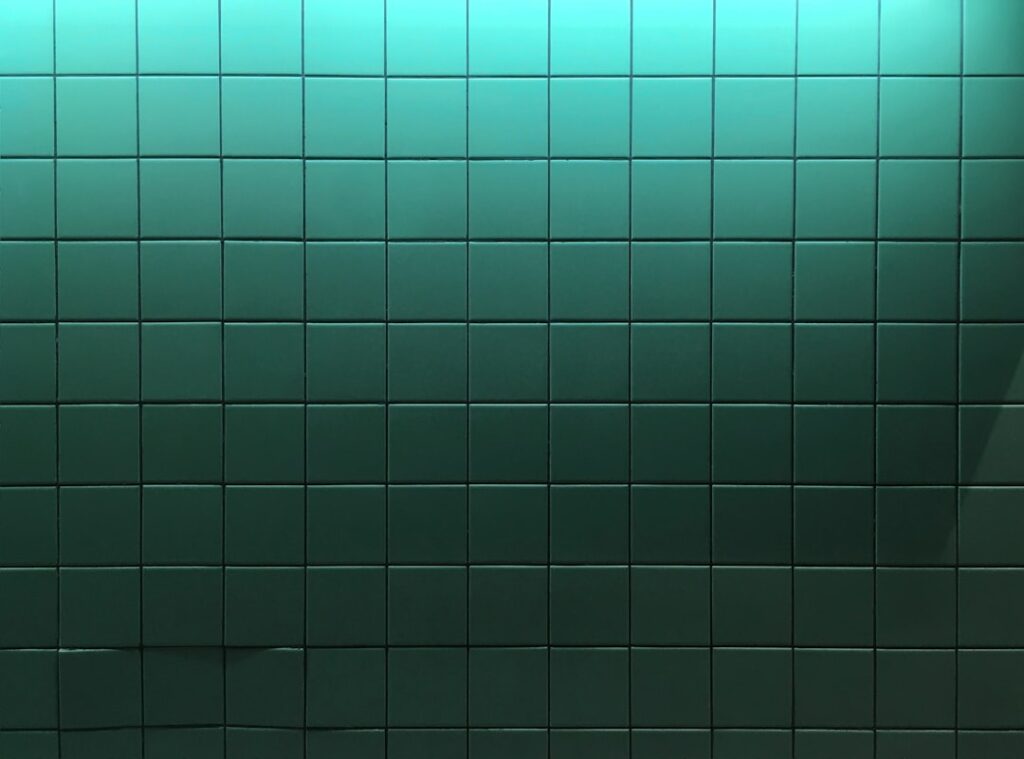
Teal tile is having a moment, and it is easy to see why. Sitting between blue and green, teal brings a rich, jewel-toned color that feels both calming and bold, evoking water, sea glass, and vintage charm all at once. Used as a backsplash, a shower surround, or an accent wall, teal turns an ordinary surface into a focal point.
This guide covers the range of teal shades, the materials that wear it best, where the color works in a home, how to pair it with the rest of your palette, and the install details that make it sing. If you want color with staying power, teal is a confident, livable choice.
Understanding the Teal Range
Teal is not a single color but a family that spans from light, airy aquas to deep, saturated peacock and emerald-leaning tones. Where your tile lands on that spectrum dramatically changes the feel of a room.
- Light teal and aqua: soft, fresh, and beachy, great for opening up small spaces.
- Mid teal: the classic balanced shade, vibrant but versatile.
- Deep teal and peacock: rich and dramatic, perfect for a moody, luxurious statement.
- Variegated and handmade: tiles with tonal variation and glaze movement add depth and an artisanal feel.
Lighting matters here. Teal shifts under different light, reading more blue in cool light and greener in warm light, so always sample tiles in the actual room before committing.
Materials and Finishes
Teal shows up across tile materials, and the finish changes how the color reads. Glossy glazes make teal pop and reflect light, giving that glassy, sea-glass depth, while matte finishes mute the color into something more contemporary and understated.
- Glazed ceramic: the most common and affordable way to get rich teal, ideal for walls and backsplashes.
- Porcelain: durable enough for floors and wet areas in teal tones.
- Glass: luminous and reflective, glass teal mosaics have wonderful depth.
- Handmade and zellige-style: uneven glaze and tonal variation give teal an organic, high-end character.
For a backsplash or feature wall, glossy or handmade glazes maximize the jewel-tone effect. For a floor, choose a slip-rated porcelain in a matte or textured finish.
Where Teal Tile Works Best
Teal is versatile enough for many spaces, working as either a bold all-over treatment or a controlled accent.
- Kitchen backsplash: a teal subway or zellige backsplash adds color against white or wood cabinets.
- Bathroom walls and showers: teal evokes water and creates a spa-like, immersive feel.
- Accent walls and niches: a band or recessed niche in teal adds a pop without overwhelming.
- Floors: patterned encaustic-look tile with teal brings vintage character to entries and powder rooms.
- Fireplace surrounds and laundry rooms: unexpected spots where teal adds personality.
Decide whether teal is the star or a supporting accent. As a full backsplash or shower it commands attention; as a border or single feature it adds a curated touch.
Pairing Teal With Other Colors
Teal is surprisingly easy to style because it pairs beautifully with both warm and cool partners. The trick is balancing its saturation with the right companions.
- White and cream: crisp and clean, letting teal be the hero.
- Warm wood and brass: wood cabinets and brass or gold fixtures warm up teal’s coolness for a rich, layered look.
- Black and charcoal: grounding and dramatic for a modern, moody scheme.
- Terracotta and warm neutrals: complementary warmth that makes teal feel earthy and inviting.
- Soft pinks and corals: a playful, retro pairing for the adventurous.
For grout, a soft gray defines the tile cleanly, white keeps it fresh, and a tone-on-tone teal grout creates a seamless, immersive field of color.
Layout and Design Ideas
The tile shape and layout shape the mood as much as the color. A teal subway tile in a classic running bond reads timeless. A vertical stack feels modern. A herringbone or chevron layout adds energy and movement. Zellige-style squares with their natural variation create a handcrafted, light-catching surface that no two installs look quite alike. For floors, a patterned encaustic-look tile mixing teal with white or warm neutrals brings vintage personality.
Sample a small section and view it at different times of day. Teal’s color shift under changing light is part of its charm, but you want to be sure you love how it looks in your space, not just the showroom.
Installation Tips
Installing teal tile follows standard tile practice, with a few color-specific notes.
- Order from one lot where possible, since glaze color can vary slightly between production runs, especially with handmade tile.
- Embrace variation in handmade and zellige tiles by mixing tiles from several boxes as you set them, so tonal shifts blend evenly across the wall.
- Choose grout deliberately, testing a few colors against the tile, since grout strongly affects the final look.
- Prep a flat substrate and waterproof wet areas properly before tiling.
- Order extra, about 10 to 15 percent, for cuts, waste, and future repairs that match.
Glossy and handmade glazes can show lippage and uneven spacing, so take care to keep the surface flat and the joints consistent.
Budget and Quantity Planning
Pricing for teal tile spans a wide range depending on material and craftsmanship. Glazed ceramic in teal is the most affordable, often a few dollars per square foot, making a full backsplash attainable on a modest budget. Glass mosaics and porcelain sit in the mid range, while handmade and zellige-style teal tiles command a premium for their handcrafted variation and labor-intensive installation. When estimating quantity, measure your wall or floor area, add about 10 to 15 percent for cuts and waste, and round up so you have spares from the same lot for future repairs. Remember that handmade tiles vary in size and thickness, which can add to install time and cost, so factor labor into the total rather than just the tile price.
Living With Teal
One concern with any bold color is whether you will tire of it. Teal ages well because it is a sophisticated, nature-derived hue rather than a fleeting neon trend, and it has appeared in design for generations. To keep it from feeling dated, balance it with timeless neutrals and quality fixtures, and use it where you can refresh the surrounding palette over time. Care for teal tile like any glazed or stone tile: clean with a pH-neutral cleaner and keep grout sealed.
Bold, calming, and timeless, teal tile lets you commit to real color without the risk. Choose the shade that suits your light, pick a finish that fits the room, pair it thoughtfully, and teal becomes the detail that gives your space genuine character.
Prefer to explore on your own?
See how new flooring looks in your actual room in seconds — free, no signup.
Try the free Floor Studio →