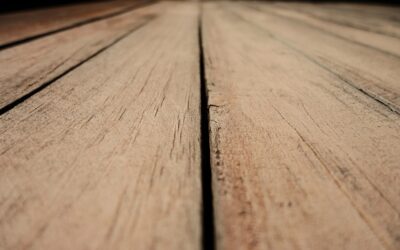
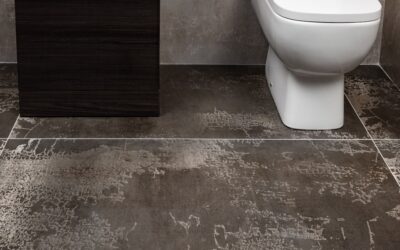
Choosing flooring for a terrace, rooftop, or balcony is fundamentally different from choosing indoor flooring. Outdoor spaces must handle rain, snow, UV exposure, temperature extremes, and weight restrictions that interior floors never face. The wrong material cracks in freezing temperatures, fades in sunlight, traps water, or overloads a rooftop structure.
This guide covers the best terrace flooring options, explains the critical factors that affect your choice, and helps you select a material that performs reliably in your specific outdoor environment.
Key Factors for Terrace Flooring
Before comparing materials, understand the conditions your terrace flooring must handle.
Weight Limits
Rooftop terraces and elevated balconies have structural weight limits that ground-level patios do not. Before selecting any flooring material, consult a structural engineer or your building’s management to determine the maximum allowable load in pounds per square foot. This figure includes the weight of the flooring itself, any pedestal system, furniture, planters, and the combined weight of people using the space.
Lightweight materials like composite decking tiles, rubber pavers, and thin porcelain pavers weigh 2 to 5 pounds per square foot. Heavier materials like thick natural stone or concrete pavers can weigh 10 to 25 pounds per square foot. On a rooftop with tight weight restrictions, the lighter options may be your only choices.
Drainage
Water management is the single most important performance factor for terrace flooring. Water must drain away from the surface efficiently to prevent pooling, ice formation, mold growth, and structural damage to the waterproof membrane beneath.
Most terrace flooring systems use one or both of two drainage strategies. The first is sloped installation, where the entire floor surface tilts slightly (typically 1/4 inch per foot) toward a drain or edge. The second is permeable installation, where gaps between pavers or tiles allow water to pass through to a drainage layer below. Pedestal systems combine both by elevating pavers above the membrane on adjustable supports, creating an unobstructed drainage space underneath.
Weather Resistance
Terrace flooring must withstand your region’s full range of weather conditions. Key properties to evaluate include freeze-thaw resistance (critical in cold climates where water absorption leads to cracking), UV stability (resistance to fading and degradation from sun exposure), heat resistance (how hot the surface gets in direct sunlight), and slip resistance (maintaining safe traction when wet).
Waterproof Membrane Protection
Most rooftop terraces and balconies have a waterproof membrane beneath the flooring that protects the building structure. The flooring material and installation method must not puncture, tear, or compress this membrane. Loose-lay and pedestal systems are preferred over glued or mechanically fastened methods because they do not penetrate the membrane and allow easy access for inspection and repair.
Best Terrace Flooring Materials
Porcelain Pavers
Porcelain pavers are the premium choice for terrace flooring. These thick (typically 3/4 inch or 20mm), dense tiles are manufactured specifically for outdoor use and offer a combination of beauty, durability, and low maintenance that no other material matches.
Porcelain pavers absorb virtually no water (less than 0.5 percent absorption rate), making them completely freeze-thaw resistant. They resist UV fading, staining, mold, and scratching. Available in wood-look, stone-look, concrete-look, and patterned designs, they replicate indoor aesthetics outdoors without compromising on performance.
Installation on terraces is typically done with a pedestal system. Adjustable plastic pedestals support each paver at the corners, creating a level surface with drainage space beneath. The pavers rest on the pedestals by gravity, with no adhesive or fasteners needed. This allows individual pavers to be lifted for membrane inspection and makes future reconfiguration easy.
Weight: 4 to 6 lbs per square foot. Cost: $5 to $15 per square foot for materials, plus $3 to $8 for pedestals and installation. Best for: Rooftop terraces, luxury balconies, commercial outdoor spaces.
Composite Decking Tiles
Composite decking tiles combine wood fibers and plastic polymers into interlocking tiles that create a warm, wood-look surface without the maintenance demands of real wood. Most composite tiles snap together on a grid system and sit directly on the terrace surface or on a thin rubber mat.
Composite tiles are lightweight, splinter-free, fade-resistant, and available in a range of wood-tone colors. They do not rot, split, or require staining or sealing. The interlocking grid allows water to drain through the gaps between tiles.
Quality varies significantly between brands. Premium composites (Trex, TimberTech, Fiberon) use capped technology with a protective polymer shell that resists fading, staining, and mold. Budget composites may fade and stain more quickly.
Weight: 2 to 4 lbs per square foot. Cost: $4 to $12 per square foot installed. Best for: Residential balconies, rooftop decks, weight-restricted spaces.
Natural Stone Pavers
Natural stone pavers in granite, slate, bluestone, travertine, and limestone create timeless, elegant terrace surfaces. Each stone type has distinct characteristics that affect its suitability for outdoor use.
Granite is the hardest and most durable option, virtually impervious to weather, staining, and scratching. Slate offers a naturally textured surface with excellent slip resistance. Bluestone has a classic blue-gray color that complements both traditional and contemporary architecture. Travertine is beautiful but more porous and requires sealing in wet climates. Limestone is elegant but softer and more susceptible to acid damage from rain and fallen leaves.
Natural stone can be installed on pedestals, set in a sand bed over gravel, or mortar-set on a concrete base. The weight of stone pavers makes them suitable primarily for ground-level terraces and structurally reinforced rooftops.
Weight: 10 to 25 lbs per square foot depending on thickness. Cost: $8 to $30 per square foot installed. Best for: Ground-level terraces, patios, high-end architectural projects.
Rubber Pavers
Rubber pavers made from recycled tires offer a soft, shock-absorbing surface that is ideal for family-oriented terraces, play areas, and rooftop spaces where comfort and safety matter. Rubber pavers are extremely lightweight, slip-resistant even when wet, and available in a variety of colors and textures including brick-look and stone-look patterns.
Rubber pavers interlock or butt together on the surface, requiring no adhesive. They allow water to drain through joints and can be installed directly over the waterproof membrane without risk of damage. Rubber does heat up in direct sunlight more than stone or porcelain, which is a consideration for barefoot areas in hot climates.
Weight: 2 to 4 lbs per square foot. Cost: $3 to $8 per square foot installed. Best for: Rooftop terraces, children’s play areas, gym and fitness terraces, weight-restricted structures.
Concrete Pavers
Concrete pavers are the workhorse of outdoor flooring. They are affordable, durable, available in countless shapes, sizes, and colors, and can be arranged in patterns from simple running bond to intricate herringbone and circular designs. Modern concrete pavers with surface treatments and pigments closely mimic the appearance of natural stone at a fraction of the cost.
For terrace applications, thin concrete pavers (1 to 1.5 inches thick) reduce weight while maintaining strength. They can be installed on pedestals or set in a sand-and-gravel base. Concrete pavers absorb some water, so freeze-thaw performance depends on the density and quality of the specific product. Choose pavers rated for your climate zone.
Weight: 5 to 15 lbs per square foot depending on thickness. Cost: $3 to $10 per square foot installed. Best for: Ground-level terraces, large patios, budget-conscious projects.
Wood Decking
Real wood decking on a terrace provides unmatched natural warmth and beauty. Tropical hardwoods like ipe, cumaru, and teak are the best choices for outdoor terrace applications because they are naturally resistant to rot, insects, and moisture. These species are extremely dense, hard, and durable, lasting 25 to 50 years with proper maintenance.
Wood decking on terraces is typically installed as tiles on a pedestal or sleeper system, or as planks over a wood or metal subframe. The subframe must be designed to avoid puncturing the waterproof membrane. Wood requires annual cleaning and periodic application of UV-protective oil to maintain its color. Without oil treatment, most tropical hardwoods weather to a silver-gray patina that many homeowners find attractive.
Softwoods like pressure-treated pine and cedar are less expensive but less durable for terrace use. They require more frequent maintenance and may last only 10 to 15 years in exposed outdoor conditions.
Weight: 3 to 6 lbs per square foot for decking plus subframe. Cost: $8 to $25 per square foot installed (tropical hardwood). Best for: Premium residential terraces, rooftop dining areas, spa and pool surrounds.
Artificial Grass
Artificial grass transforms rooftop terraces and balconies into green oases that require no mowing, watering, or fertilizing. Modern synthetic turf looks and feels remarkably realistic, with multiple fiber colors, varied blade heights, and thatch layers that mimic natural grass.
Artificial grass is lightweight, drains well through its permeable backing, and provides a comfortable, soft surface for lounging and play. It is installed over a drainage pad or rubber underlayment, with edges secured by adhesive tape or pins.
The main considerations are heat retention (artificial grass gets hot in direct sun), cleaning (pet waste and spills require rinsing), and lifespan (8 to 15 years before replacement is needed).
Weight: 1 to 3 lbs per square foot including infill. Cost: $5 to $15 per square foot installed. Best for: Rooftop gardens, pet areas, children’s play zones, visual green space.
Pedestal Systems Explained
Pedestal systems are the preferred installation method for terrace flooring on rooftops and balconies. Understanding how they work helps you plan your project.
How Pedestal Systems Work
Adjustable plastic or rubber pedestals sit on the waterproof membrane and support the flooring material at the corners and edges. Each pedestal can be adjusted in height (typically from 3/4 inch to 12 inches or more) to create a perfectly level surface even when the underlying structure is sloped for drainage. The space between the membrane and the underside of the flooring acts as a drainage channel, allowing water to flow freely to roof drains.
Advantages
- No penetration of the waterproof membrane
- Easy access for membrane inspection and repair by lifting individual pavers
- Automatic drainage through the elevated space beneath the floor
- Ability to level the walking surface independently of the roof slope
- Concealment of pipes, cables, and other rooftop utilities beneath the floor
- Easy reconfiguration or removal if needed
Compatible Materials
Porcelain pavers, concrete pavers, natural stone, composite tiles, and wood tiles all work with pedestal systems. The pavers must be thick and rigid enough to span between pedestals without flexing. Minimum thickness is typically 3/4 inch for porcelain and 1.5 inches for concrete and stone.
Slip Resistance
Outdoor terrace flooring must provide safe traction in wet conditions. Look for materials with a slip resistance rating suitable for outdoor use.
Porcelain pavers with textured or structured surfaces typically achieve R11 or R12 slip resistance ratings, which are appropriate for wet outdoor areas. Rubber pavers are inherently slip-resistant. Smooth-polished stone and tile should be avoided on terraces because they become dangerously slippery when wet.
Adding textured inserts, anti-slip strips, or choosing a honed rather than polished finish improves traction on materials that might otherwise be too smooth for outdoor use.
Climate-Specific Recommendations
Cold Climates (Freeze-Thaw)
Choose materials with less than 0.5 percent water absorption to prevent freeze-thaw cracking. Porcelain pavers, granite, and composite tiles are the safest options. Avoid porous materials like travertine, limestone, and standard concrete unless they are specifically rated for freeze-thaw exposure. Pedestal systems are essential in cold climates because they allow water to drain completely rather than pooling and freezing beneath the floor.
Hot, Sunny Climates
Heat buildup is the primary concern. Light-colored materials (porcelain, concrete, limestone) stay cooler than dark materials. Wood and composite stay relatively cool compared to stone and porcelain. Rubber and artificial grass get the hottest in direct sun. If the terrace will be used barefoot, test surface temperatures at peak sun before committing to a material.
Coastal and Humid Climates
Salt air, high humidity, and driving rain demand materials that resist corrosion, mold, and moisture damage. Porcelain, composite, and rubber are ideal. Metal pedestal components should be stainless steel or UV-stabilized plastic, not galvanized or painted steel that may corrode in salt air.
Budgeting for Terrace Flooring
Terrace flooring projects typically cost more per square foot than interior flooring due to the specialized materials, drainage requirements, and installation complexity.
Budget Options ($3 to $8 per sq ft installed)
Rubber pavers, basic concrete pavers, and entry-level composite tiles. These materials provide functional, attractive surfaces without premium pricing. Suitable for casual residential terraces and utility areas.
Mid-Range Options ($8 to $15 per sq ft installed)
Porcelain pavers on pedestals, premium composite tiles, and standard natural stone. This range offers the best balance of aesthetics, durability, and value. Most residential rooftop terrace projects fall in this budget.
Premium Options ($15 to $30+ per sq ft installed)
Tropical hardwood decking, premium natural stone (bluestone, granite), and large-format porcelain pavers with complex patterns. These materials create showcase outdoor spaces with long lifespans and minimal maintenance.
Maintenance Overview
- Porcelain pavers: Sweep and rinse periodically. Virtually maintenance-free.
- Composite tiles: Wash with soap and water twice yearly. No staining or sealing needed.
- Natural stone: Seal annually for porous types. Clean with stone-specific cleaner.
- Rubber pavers: Rinse with hose. Scrub stains with mild detergent.
- Wood decking: Clean annually. Apply UV oil every 1 to 2 years to maintain color.
- Artificial grass: Rinse weekly, brush fibers monthly, remove debris regularly.
- Concrete pavers: Sweep and power wash annually. Reseal every 2 to 3 years for colored or stamped pavers.
Final Thoughts
Terrace flooring must balance beauty with performance in ways that indoor flooring never does. Start by understanding your structural weight limits and drainage requirements, then narrow your material choices based on climate, budget, and design preferences. Porcelain pavers on a pedestal system offer the most versatile, durable solution for most terraces. Composite tiles and rubber pavers are excellent lightweight alternatives for weight-restricted rooftops. Natural stone and tropical hardwood deliver premium aesthetics for those willing to invest in the best.
For indoor spaces adjacent to your terrace, explore tile flooring or waterproof flooring to create a seamless visual transition from inside to outside.
Prefer to explore on your own?
See how new flooring looks in your actual room in seconds — free, no signup.
Try the free Floor Studio →