
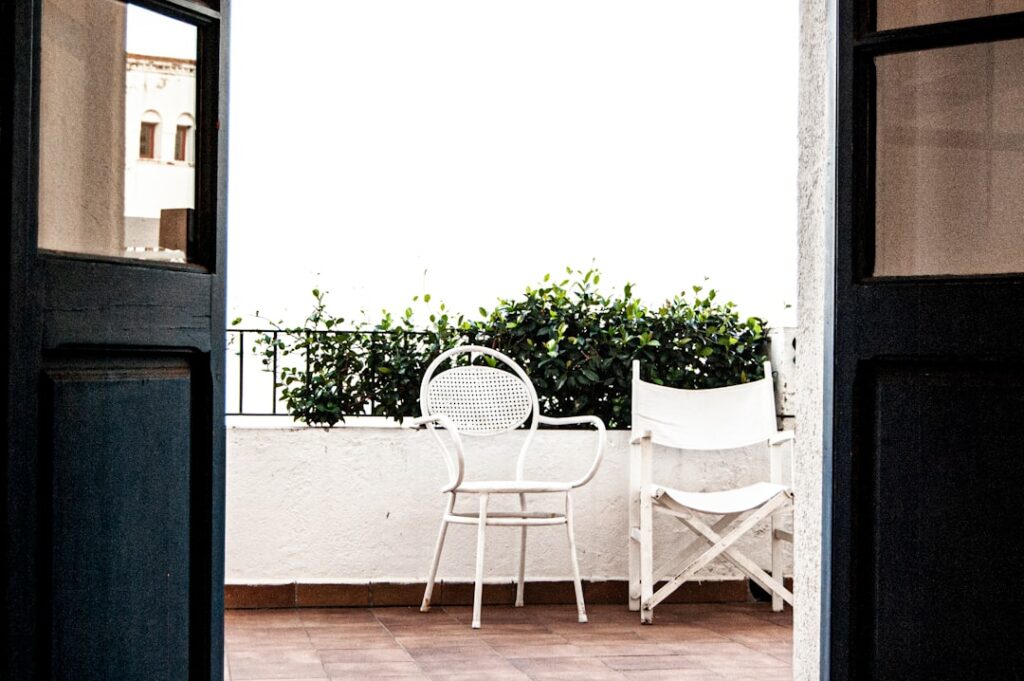
Your terrace or balcony is an outdoor living room, and the right terrace flooring transforms it from a bare slab into an inviting retreat. But choosing outdoor flooring comes with challenges that indoor flooring doesn’t face — rain, UV exposure, temperature swings, drainage requirements, and weight limits (especially on elevated balconies).
This guide covers the best terrace and balcony flooring options, with honest assessments of durability, drainage, weight, cost, and installation difficulty for each material.
Key Considerations for Terrace Flooring
Before comparing materials, understand the factors that determine which options are suitable for your specific terrace:
Drainage
Water management is the most critical factor for terrace flooring. Your surface needs to shed or drain water effectively to prevent pooling, ice formation, and structural damage. Options include permeable materials (gravel, spaced deck tiles), pedestal systems that allow water flow underneath, and properly sloped solid surfaces.
Weight Limits
Ground-level patios can support heavy materials like stone and concrete pavers. Elevated balconies and rooftop terraces have structural load limits that restrict material choices. Before selecting heavy flooring like stone or concrete, verify your structure’s weight capacity with a structural engineer.
Weather Resistance
Terrace flooring must withstand rain, snow, UV radiation, freeze-thaw cycles, and temperature extremes. Materials rated for outdoor use have been tested for these conditions. Indoor flooring materials will fail quickly on an exposed terrace.
Slip Resistance
Wet terraces are slipping hazards. Look for materials with textured surfaces and check the R-rating or coefficient of friction (COF) for wet conditions. Polished surfaces that look beautiful dry become dangerous when wet.
Existing Surface
Most terraces have an existing concrete slab or waterproof membrane. Your new flooring typically goes over this surface, so the existing surface condition affects your options. A flat, well-drained concrete slab gives you the most flexibility.
Best Terrace Flooring Materials
1. Interlocking Deck Tiles
Interlocking deck tiles are the easiest and most popular terrace flooring solution. Available in wood, composite, stone, and rubber, they snap together on a grid base that sits on top of your existing surface. No tools, adhesive, or permanent modification required.
Advantages
- Extremely easy DIY installation (snap and click)
- Removable and portable (great for renters)
- Built-in drainage through the grid base
- Wide range of materials and looks
- No damage to the underlying surface
Disadvantages
- Can shift on sloped surfaces without edging
- Debris accumulates under tiles (needs periodic lifting and cleaning)
- Wood tiles require same maintenance as wood decking
- Not as permanent or solid-feeling as fixed installations
Cost: $3 to $12 per square foot depending on material (composite and hardwood on the higher end, plastic and rubber on the lower end).
2. Outdoor Porcelain Tiles
20mm outdoor-rated porcelain tiles deliver the sleek look of interior tile flooring on your terrace. These thick tiles are engineered for exterior use with frost resistance, UV stability, and slip-resistant surfaces. They can be laid on mortar, adhesive, gravel beds, or adjustable pedestals.
Advantages
- Stunning, high-end appearance
- Extremely durable and weather-resistant
- Non-porous (won’t absorb water, stain, or support mold)
- Pedestal system allows adjustable height and easy drainage
- Matches indoor porcelain for seamless indoor-outdoor flow
Disadvantages
- Heavy (weight consideration for elevated terraces)
- Expensive ($5 to $15 per square foot plus installation)
- Professional installation recommended for mortar-set method
- Can crack under extreme point loads
Best for: High-end terraces, rooftop patios with pedestal systems, and creating seamless transitions from indoor to outdoor spaces.
3. Natural Stone
Natural stone — bluestone, granite, limestone, slate, or sandstone — creates the most timeless and elegant terrace surface. Each stone brings unique color, texture, and character. Stone terraces age beautifully and can last for generations with minimal maintenance.
Advantages
- Unmatched natural beauty and character
- Extremely long-lasting (50+ years)
- Increases property value
- Naturally slip-resistant when textured
- Handles all weather conditions
Disadvantages
- Very heavy (check structural capacity)
- Expensive ($8 to $25+ per square foot)
- Professional installation required
- Some stones (limestone, sandstone) need periodic sealing
- Can be cold and hard underfoot
Best for: Ground-level terraces, permanent outdoor living areas, and homes where natural beauty and longevity justify the investment.
4. Composite Deck Tiles and Planks
Composite (WPC) terrace flooring combines wood fibers and plastic for a wood-like appearance with minimal maintenance. Available as interlocking tiles for easy installation or traditional planks on a joist framework. Composite won’t rot, splinter, or require staining.
Advantages
- Low maintenance (no staining or sealing)
- Won’t rot, splinter, or warp
- Realistic wood appearance
- Available as easy-install deck tiles or traditional planks
- 25+ year lifespan
Disadvantages
- Gets hot in direct sunlight (especially dark colors)
- Higher upfront cost than wood ($6 to $15 per square foot)
- Doesn’t feel exactly like real wood
- Can grow mold in shaded, damp conditions
Best for: Terrace owners who want a wood look without the annual maintenance commitment.
5. Hardwood Decking
Premium hardwood like ipe, teak, or cumaru creates a warm, elegant terrace surface with the authentic character that composite can’t fully replicate. Hardwood terrace flooring develops a silver-grey patina if left to weather naturally, or maintains its original color with annual oiling.
Advantages
- Authentic, warm wood appearance and feel
- Naturally durable hardwoods resist rot and insects
- Stays cooler in sun than composite
- Beautiful silver patina if left natural
- 30 to 50-year lifespan for premium hardwoods
Disadvantages
- Requires annual oiling to maintain color (or accept patina)
- Very expensive ($8 to $20+ per square foot)
- Difficult to work with (extremely hard wood dulls tools)
- Environmental concerns about tropical hardwood sourcing
Best for: Homeowners who appreciate natural materials and are willing to invest in maintenance for an authentic wood terrace.
6. Concrete Pavers
Concrete pavers offer versatile, durable terrace flooring in a wide range of shapes, colors, and textures. From sleek modern slabs to tumbled cobblestone looks, concrete pavers suit virtually any design style. Dry-laid on a compacted base, they’re relatively DIY-friendly for ground-level terraces.
Advantages
- Affordable ($2 to $8 per square foot)
- Enormous variety of styles and colors
- Durable and weather-resistant
- Individual pavers can be replaced
- Permeable options available for drainage
Disadvantages
- Heavy (not suitable for elevated balconies)
- Colors can fade over time
- Weeds can grow between joints
- Requires a proper base for ground-level installation
Best for: Ground-level terraces and patios where a wide range of design options and moderate pricing are important.
7. Rubber Tiles
Outdoor rubber tiles provide a soft, cushioned terrace surface that’s perfect for families with children or fitness enthusiasts. Made from recycled rubber, they’re eco-friendly, weather-resistant, and provide excellent grip even when wet.
Advantages
- Soft and impact-absorbing (child-safe)
- Excellent wet traction
- Easy interlocking installation
- Very durable and weather-resistant
- Eco-friendly (recycled materials)
Disadvantages
- Limited aesthetic appeal
- Can smell in hot weather when new
- Not suitable for formal outdoor spaces
Cost: $3 to $8 per square foot. Best for: Terraces used for exercise, children’s play, or where fall safety is a priority.
8. Artificial Grass
Artificial turf transforms a concrete terrace into a green oasis. Modern synthetic turf looks remarkably realistic and creates a soft, inviting surface for bare feet. It drains well through the perforated backing and maintains its appearance year-round.
Advantages
- Creates a garden feel on a concrete terrace
- Soft and comfortable underfoot
- Good drainage through backing
- No mowing, watering, or fertilizing
- Pet-friendly
Disadvantages
- Gets hot in direct sunlight
- Requires periodic brushing and rinsing
- 10 to 15-year replacement cycle
- Can look artificial on close inspection
Cost: $5 to $12 per square foot installed. Best for: Urban balconies and terraces where you want a green, garden-like atmosphere.
Terrace Flooring Comparison Table
| Material | Cost (per sq ft) | Weight | Maintenance | DIY Friendly | Drainage |
|---|---|---|---|---|---|
| Deck Tiles | $3 – $12 | Light | Low-Medium | Excellent | Excellent |
| Porcelain (20mm) | $5 – $15 | Heavy | Very Low | Moderate | Good (pedestal) |
| Natural Stone | $8 – $25+ | Very Heavy | Low-Medium | Low | Moderate |
| Composite | $6 – $15 | Medium | Very Low | Good | Good |
| Hardwood | $8 – $20+ | Medium | High | Moderate | Good |
| Concrete Pavers | $2 – $8 | Heavy | Low | Moderate | Moderate |
| Rubber Tiles | $3 – $8 | Light | Very Low | Excellent | Excellent |
| Artificial Grass | $5 – $12 | Light | Low | Good | Good |
Drainage Solutions for Terrace Flooring
Proper drainage prevents water damage, ice hazards, and surface deterioration. Here are the main approaches:
Pedestal Systems
Adjustable plastic pedestals elevate tiles or pavers above the waterproof membrane, creating a gap for water to flow freely underneath to existing drains. Pedestals also allow height adjustment to create a perfectly level surface over a sloped substrate. This is the professional standard for porcelain tile terraces.
Permeable Surfaces
Materials like gravel, spaced deck tiles, and permeable pavers allow water to pass through the surface directly. These work well on ground-level terraces where water can absorb into the ground below.
Slope
Any solid terrace surface needs a minimum slope of 1/4 inch per foot directed toward drains or the terrace edge. Existing concrete terraces typically have this slope built in. Verify drainage direction before installing new flooring.
Drainage Mats
Dimpled drainage mats installed between the existing surface and new flooring create channels for water to flow to drains. They add a small amount of height and provide drainage under surfaces that would otherwise trap water.
Terrace Flooring for Specific Situations
Small Apartment Balconies
For small balconies (under 50 square feet), interlocking deck tiles or artificial grass are the best options. They’re lightweight, removable (important for renters), and can transform a dreary concrete balcony in an afternoon with zero tools.
Rooftop Terraces
Rooftop terraces need lightweight materials to stay within structural limits. Porcelain tiles on pedestals, rubber tiles, and artificial grass are ideal. Avoid heavy stone and concrete pavers unless the structure has been engineered for the load.
Ground-Level Patios
Ground-level terraces have no weight restrictions, opening up all material options including natural stone, concrete pavers, and poured concrete. Take advantage of this by choosing heavier, more permanent materials that offer the best long-term value.
Covered Terraces
Covered or semi-covered terraces face less UV and rain exposure, extending the lifespan of all materials. Wood decking is a particularly good choice for covered terraces since the reduced weather exposure means less maintenance.
Frequently Asked Questions
What is the best flooring for an outdoor terrace?
Porcelain outdoor tiles on a pedestal system offer the best combination of durability, aesthetics, and drainage for most terraces. For a more budget-friendly option, composite deck tiles provide good looks with easy installation. The best choice depends on your budget, structural capacity, and aesthetic preferences.
Can I install terrace flooring over existing concrete?
Yes, most terrace flooring options are designed to install over existing concrete. Interlocking deck tiles, pedestal-mounted porcelain, artificial grass, and rubber tiles all lay directly over concrete. Ensure the concrete is in good condition with proper drainage before installing.
What is the cheapest terrace flooring option?
Concrete pavers at $2 to $8 per square foot are the cheapest durable option for ground-level terraces. For elevated balconies, budget interlocking tiles start at $3 per square foot. Painting the existing concrete with non-slip floor paint is the absolute cheapest option at under $1 per square foot.
How do I prevent my terrace floor from getting slippery?
Choose materials with textured surfaces rated for wet conditions. Look for an R11 or higher slip resistance rating. Avoid polished surfaces on exposed terraces. Regular cleaning prevents algae and moss growth, which are the most common causes of slippery outdoor surfaces.
What terrace flooring is best for renters?
Interlocking deck tiles are ideal for renters because they require no adhesive or permanent installation, can be removed without damage, and taken to your next home. Artificial grass rolls and rubber tiles are also renter-friendly options.
Final Thoughts
The best terrace flooring balances aesthetics, weather resistance, drainage, and your budget. For the easiest upgrade, interlocking deck tiles transform any terrace in hours. For a premium, permanent result, outdoor porcelain tiles on pedestals or natural stone deliver decades of beauty. Whatever you choose, prioritize drainage and slip resistance — they’re the non-negotiable factors that separate a safe, long-lasting terrace floor from one that causes problems.
For ideas that bridge indoor and outdoor spaces, explore our guides to tile flooring, concrete flooring, and natural stone flooring.
Prefer to explore on your own?
See how new flooring looks in your actual room in seconds — free, no signup.
Try the free Floor Studio →

