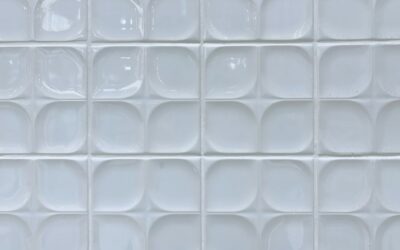
Flat drywall is cheap and practical, but it rarely gives a room any character. Textured wall panels change that in a weekend by adding raised waves, ribs, geometric facets or fluted lines that catch light and cast shadows. Unlike troweled plaster or sprayed knockdown texture, these panels arrive pre-shaped, so the pattern is consistent from edge to edge and you avoid the skill curve of hand-applied finishes.
Most homeowners use them on a single accent wall: behind a bed, a television, a reception desk or a dining banquette. The right panel depends on the room’s moisture, how much impact the wall sees, and if you plan to paint. PVC suits damp areas, gypsum gives a crisp plaster-like look, MDF is affordable and easy to cut, and fluted slat panels bring a warm, vertical rhythm.
Installation is mostly careful layout, adhesive, and patience at the seams. If you can measure accurately and use a level, you can install 3D wall panels on a sound, flat wall.
What Textured Wall Panels Are and How They Differ From Applied Texture
A textured wall panel is a factory-formed tile or board, usually 12 to 24 inches square or a tall plank, with a relief pattern molded or machined into the face. You glue or fasten it to the existing wall and fill the seams so the pattern reads as one continuous surface. Some manufacturers call them textured wall board, decorative 3D panels or sculpted wall tiles; the idea is the same.
Applied texture, by contrast, is joint compound or plaster sprayed or troweled onto drywall. It covers flaws well but the look is limited to familiar finishes like orange peel, knockdown or skip trowel. Panels give you dramatic depth, often 1/2 inch to more than an inch, that no spray texture can match.
They also differ from flat decorative paneling such as beadboard, shiplap or board-and-batten. Those add lines and trim profiles. 3D panels add sculptural relief: waves, pyramids, bricks, hexagons, ribs and organic shapes.
Comparing Panel Types
| Type | Best For | Watch Out For |
|---|---|---|
| PVC | Bathrooms, basements, rentals | Can look plastic if left unpainted; check fire rating |
| Gypsum | Living rooms, offices, smooth plaster look | Heavy, fragile edges, needs priming |
| MDF | Bedrooms, feature walls on a budget | Swells if wet; dust when cutting |
| Fluted wood or slat | Warm modern accent, acoustic boost | Cost per sq ft is higher |
PVC Panels
Lightweight and waterproof, PVC panels are the easiest to handle. Many are paintable with a bonding primer. They tolerate humidity, so they work in bathrooms away from direct shower spray, laundry rooms and finished basements. Thin versions can dent, so avoid high-impact hallways.
Gypsum Panels
Gypsum 3D panels are cast like plaster. Once seams are filled and the wall is painted, they look like a sculpted plaster wall with no visible joints. They are heavy, so you need a strong adhesive and sometimes mechanical fasteners. Corners chip easily during shipping and handling.
MDF Panels
Medium-density fiberboard panels are CNC-machined into waves, grooves and geometric designs. They cut cleanly with a fine-tooth blade and accept paint well after priming. Keep them out of bathrooms and anywhere water could wick into raw edges.
Fluted and Slat Panels
Fluted panels feature rounded vertical ribs; slat panels mount wood strips on an acoustic felt backing. Both add warmth and are popular behind televisions and in home offices, where the felt also softens echo. They often screw directly into studs.
Tools and Materials
- Panels plus 10 to 15 percent extra for cuts and pattern matching
- Construction adhesive or the panel maker’s recommended adhesive
- Caulk gun, 4-foot level, laser level if available, tape measure, pencil
- Fine-tooth saw, miter saw or utility knife (for PVC); jigsaw for outlet cutouts
- Stud finder, finish nails or trim screws for heavier panels
- Joint compound or paintable acrylic caulk for seams, sanding sponge
- Primer suited to the panel material and your chosen paint
- Safety glasses, dust mask, hearing protection when cutting
Step-by-Step Installation
- Check the wall. Panels need a flat, clean, dry surface. Scrape loose paint, fill holes and sand high spots. Lightly scuff glossy paint so adhesive grips. If the wall bows more than about 1/4 inch over 8 feet, correct it or plan for furring strips.
- Acclimate the panels. Leave them in the room for 24 to 48 hours so they adjust to temperature and humidity, especially MDF and wood.
- Dry-lay the pattern. Arrange panels on the floor in the order they will go up. Many 3D designs only flow correctly when rotated a specific way, and checking now prevents a mismatched seam halfway up the wall.
- Snap a level starting line. Floors and ceilings are rarely level. Draw a level line near the bottom (or center the layout on the wall) and let cut pieces fall at the edges, ideally at least half a panel wide.
- Plan around outlets and switches. Turn off the breaker and confirm power is off with a non-contact voltage tester before removing cover plates. Mark and cut openings, and use box extenders so devices sit flush with the new face. Never work on powered wires, and leave any relocation of boxes to a licensed electrician.
- Apply adhesive. Run beads in a zigzag or dot pattern per the maker’s guidance, keeping adhesive about an inch from the edges so it does not squeeze into seams.
- Set the first panel. Press it onto the line, check level, and hold or brace it. Heavier gypsum and MDF panels may need a few finish nails or screws into studs while adhesive cures.
- Continue across and up. Butt each panel tightly to its neighbor and check the pattern alignment every few pieces. Small gaps compound across a wall.
- Fill and sand seams. Once adhesive cures, fill seams with joint compound (gypsum) or paintable caulk (PVC, MDF). Sand lightly and repeat until the transition disappears.
- Prime and paint. Use a primer suited to the material, then two coats of paint. A satin or matte sheen shows the relief best; high gloss can highlight seam flaws.
Design Tips for 3D Wall Panels
Lighting decides how dramatic the texture looks. Side light from a window, wall washers or LED strips grazing down the surface throws strong shadows and makes the relief pop. Flat front lighting can make even deep panels look subtle.
Paint color matters too. White and soft neutrals show shadows clearly. Dark colors look rich and modern but can flatten shallow designs. Many designers paint the panel wall the same color as adjacent walls and let the texture do the work.
Keep scale in mind. Large wave or facet designs suit big walls and tall ceilings; smaller repeats look better in powder rooms and narrow hallways. One textured wall is usually plenty in a room.
Troubleshooting
Visible seams after paint: Add another thin skim of compound, feather it wider than the seam and sand smooth. Matte paint hides minor flaws better.
Panels pulling away: The wall surface may have been dusty or glossy, or the adhesive did not suit the material. Remove, clean, scuff, and reinstall with fresh adhesive and temporary fasteners.
Pattern misalignment: If a panel was rotated wrong, it is easier to remove it while the adhesive is still soft. Check orientation marks on the back before setting each piece.
Swollen MDF edges: Moisture got in. Sand back, seal edges with primer, and fix the moisture source before repainting.
Cost Ranges
Material costs vary by type. As a general guide, basic PVC panels sit at the low end, MDF and gypsum fall in the middle, and real wood fluted or acoustic slat panels cost the most per square foot. A typical 10 by 8 foot accent wall can be done for a few hundred dollars in PVC or MDF, while premium wood or gypsum can run into the low thousands. Professional installation adds labor that depends on wall prep, outlets and the complexity of the pattern.
When to Call a Pro
Hire a carpenter or drywall finisher if the wall is badly out of flat, if you are using heavy gypsum panels on a tall wall, or if you want a jointless plaster-look finish and have not finished drywall before. Any work that involves moving outlets, adding lighting or running new wiring for wall washers belongs to a licensed electrician. Textured wall panels reward patience, and a pro can often finish seams in half the time a first-timer needs.
Frequently Asked Questions
Can textured wall panels go over existing drywall?
Yes. Most are designed to glue directly over sound, painted drywall. Scuff glossy paint, clean off dust and make sure the wall is flat before you start.
Are 3D wall panels good for bathrooms?
PVC panels handle humidity well and are a good choice for bathroom accent walls away from direct water spray. Avoid MDF and gypsum in wet areas unless the product is specifically rated for moisture.
Do textured wall panels need to be painted?
Many PVC and gypsum panels come white and are meant to be painted. Prefinished wood and fluted panels can be left as is. Painting usually helps hide seams and gives a more finished look.
How do you remove textured wall board later?
Panels glued with construction adhesive usually damage the drywall face when pulled off. Expect to patch and skim coat the wall afterward. Panels screwed into studs or clipped on rails come off much more cleanly.
Do textured panels help with sound?
Slat panels on acoustic felt reduce echo noticeably. Solid PVC, MDF and gypsum panels break up reflections a little, but they are mainly decorative and do not block sound between rooms.