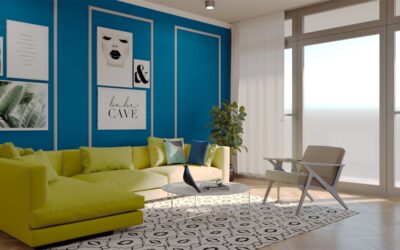
Thin carpet, also called low-pile carpet, has a short fiber height that creates a flat, dense surface. It may lack the plush softness of thick carpet, but it excels in practicality. Thin carpet is easier to clean, more durable under heavy foot traffic, more accessible for wheelchairs and walkers, and more affordable to purchase and maintain than its thicker counterparts.
- What Qualifies as Thin Carpet
- Types of Thin Carpet
- Where Thin Carpet Works Best
- Commercial Offices
- Rental Properties
- Stairs and Hallways
- Basements
- Healthcare and Senior Living
- Schools and Daycare Centers
- Accessibility Benefits
- Cleaning and Maintenance Advantages
- Fiber Options
- Top Brands for Thin Carpet
- Pricing Guide
- Thin Carpet vs Thick Carpet
- Frequently Asked Questions
- Is thin carpet comfortable?
- How long does thin carpet last?
- Can I use a thick pad under thin carpet?
- Is thin carpet good for pets?
- Final Thoughts
This guide covers everything about thin and low-pile carpet, including the different types, where it works best, its advantages for commercial and residential use, accessibility benefits, top brands, and realistic pricing. Whether you are outfitting an office, upgrading a rental property, or choosing wheelchair-friendly flooring, thin carpet deserves serious consideration.
What Qualifies as Thin Carpet
Carpet pile height is measured from the backing to the tip of the fibers. Thin or low-pile carpet has a pile height of 1/4 inch or less. By comparison, medium-pile carpet ranges from 1/4 to 1/2 inch, and plush or high-pile carpet exceeds 1/2 inch.
Low-pile carpet feels firm and smooth underfoot rather than soft and cushiony. The short fibers stand upright and resist matting, which is why thin carpet maintains its appearance much longer than plush carpet in high-traffic areas.
Several carpet construction types fall into the thin carpet category. Understanding the differences helps you choose the right product for your specific needs.
Types of Thin Carpet
Level Loop
Level loop carpet has fibers formed into small loops of uniform height. The loops create a dense, flat surface that resists crushing and matting. Berber carpet is the most well-known level loop style, featuring larger loops in neutral colors with flecked patterns.
Level loop is the workhorse of commercial carpet. It handles heavy foot traffic, rolling office chairs, and frequent cleaning without showing wear. It is also one of the most affordable thin carpet options.
Cut Pile (Low Profile)
Cut pile carpet has fibers that are cut at the top rather than looped. Low-profile cut pile (sometimes called velvet or plush in a short height) has a smooth, uniform surface. It is slightly softer than loop carpet but still firm enough for commercial use.
Low-profile cut pile is popular in corporate offices, hotel rooms, and upscale residential applications where a slightly more refined appearance is desired without sacrificing practicality.
Cut and Loop
Cut and loop carpet combines cut and looped fibers at different heights to create subtle patterns and textures. The patterns help hide dirt and wear, making this style popular for high-traffic residential areas like hallways, stairs, and family rooms.
Needle Punch
Needle punch carpet is made by punching fibers through a backing material with barbed needles, creating an extremely flat, dense, felt-like surface. It is the thinnest and most durable carpet type, used in outdoor applications, event spaces, trade shows, and automotive interiors.
Carpet Tiles
Commercial carpet tiles (also called modular carpet) are almost always low-pile. They come in 18×18-inch or 24×24-inch squares with built-in backing. Individual tiles can be replaced when damaged or stained, making them the most practical option for offices and commercial spaces.
Where Thin Carpet Works Best
Commercial Offices
Thin carpet is the default flooring for offices worldwide. It absorbs sound (reducing the noise of conversations, phone calls, and footsteps), provides comfort underfoot for workers who walk frequently, and allows office chairs to roll freely. Carpet tiles are particularly popular because they can be installed over raised access floors for cable management and replaced individually in high-wear areas.
Rental Properties
Landlords and property managers prefer thin carpet because it costs less than plush carpet, lasts longer between tenants, cleans more thoroughly, and shows less wear. A quality level loop or low-profile cut pile carpet in a neutral color can last through multiple tenant turnovers with professional cleaning between each.
For rentals, choose a stain-resistant fiber like solution-dyed nylon or polyester in a medium neutral tone. Dark colors show lint and pet hair, while light colors show stains. A mid-tone gray, beige, or taupe hides the most.
Stairs and Hallways
Stairs and hallways receive concentrated foot traffic that quickly destroys plush carpet. Low-pile carpet handles this traffic without matting or developing wear paths. The flat surface also provides better footing on stairs, reducing the risk of slipping. For more information on carpet flooring in general, including installation methods and fiber comparisons, visit our pillar guide.
Basements
Thin carpet over a moisture-barrier pad works well in basements where moisture is managed. The low profile means less material to absorb moisture if a minor leak occurs, and it dries faster than thick carpet. Carpet tiles are especially practical in basements because individual tiles can be removed and dried or replaced after water events.
Healthcare and Senior Living
Hospitals, clinics, and senior living facilities use thin carpet in resident rooms and corridors because it reduces fall injuries, absorbs sound, and supports wheelchair mobility. The carpet must meet specific flammability, antimicrobial, and accessibility standards for healthcare use.
Schools and Daycare Centers
Classrooms benefit from thin carpet because it creates a quieter learning environment and provides a comfortable surface for young children who sit on the floor. Low-pile construction simplifies cleaning and resists the heavy traffic of dozens of students daily.
Accessibility Benefits
Wheelchair and Walker Accessibility
The Americans with Disabilities Act (ADA) recommends carpet with a maximum pile height of 1/2 inch for wheelchair accessibility, with lower pile being better. Thin carpet with a pile height of 1/4 inch or less provides the easiest rolling surface for wheelchairs, walkers, and mobility scooters.
Thick, plush carpet creates resistance that makes wheelchair propulsion exhausting and can even tip lightweight wheelchairs. Low-pile carpet with a firm, dense pad (or no pad) provides a smooth rolling surface that requires minimal effort.
Trip and Fall Reduction
Low-pile carpet lies flat with no loose fibers to catch shoes, feet, or mobility device wheels. It provides a consistent, predictable surface that reduces trip hazards. This is particularly important for seniors and individuals with mobility limitations.
Transition Compatibility
Thin carpet creates smoother transitions to hard flooring surfaces like tile, wood, and vinyl. The minimal height difference reduces the need for bulky transition strips that can themselves become trip hazards. Many thin carpet products sit nearly flush with standard hard flooring.
Cleaning and Maintenance Advantages
One of the biggest advantages of thin carpet is how easy it is to clean. Short fibers release dirt and debris more readily than deep-pile carpet. Vacuuming is more effective because the suction reaches all the way to the backing. Stains sit on the surface rather than wicking deep into the fibers, making spot cleaning faster and more successful.
Professional steam cleaning is more effective on low-pile carpet because the cleaning solution penetrates evenly and extracts completely. Thick carpet retains moisture longer after cleaning, which can lead to mold and mildew. Thin carpet dries faster, typically within 2 to 4 hours compared to 6 to 12 hours for thick plush.
For offices and commercial spaces, daily vacuuming and periodic extraction cleaning keeps thin carpet looking new for years. In residential settings, vacuuming twice a week and professional cleaning annually is usually sufficient.
Fiber Options
Nylon
Nylon is the most durable carpet fiber and the best choice for high-traffic thin carpet. It resists crushing, matting, and abrasion better than any other synthetic fiber. Solution-dyed nylon holds its color permanently and resists stains and fading. Nylon is the standard fiber for commercial office carpet.
Price range: $2.00 to $6.00 per square foot for the carpet alone.
Polyester (PET)
Polyester offers good stain resistance, a soft feel, and lower cost than nylon. It is popular for residential low-pile carpet in bedrooms, living rooms, and rental properties. Polyester does not resist matting and crushing as well as nylon, so it is best for moderate traffic areas.
Recycled PET polyester, made from recycled plastic bottles, adds an eco-friendly element. Brands like Mohawk (EverStrand) and Shaw (Anso) offer recycled polyester carpets.
Price range: $1.00 to $4.00 per square foot.
Olefin (Polypropylene)
Olefin is the most affordable carpet fiber and is inherently stain-resistant and moisture-resistant. It is commonly used in Berber loop carpet and outdoor carpet. However, olefin crushes and mats more easily than nylon, making it best for low to moderate traffic areas or indoor-outdoor applications.
Price range: $0.75 to $3.00 per square foot.
Wool
Wool is a premium natural fiber that offers excellent resilience, natural flame resistance, and a luxurious feel. Low-pile wool carpet is used in high-end offices, hotels, and residences. It is the most expensive option but offers unmatched quality and sustainability.
Price range: $5.00 to $15.00+ per square foot.
Top Brands for Thin Carpet
Shaw Contract
Shaw Contract is one of the largest commercial carpet manufacturers in the world. Their carpet tile collections offer thousands of styles, colors, and patterns in low-pile constructions designed for heavy commercial traffic. Shaw’s EcoWorx backing is recyclable and low-VOC.
Interface
Interface is a global leader in modular carpet tiles with a strong commitment to sustainability. Their Carbon Neutral Floors program and innovative recycled-content products make them a top choice for environmentally conscious specifiers. Interface tiles are used in offices, healthcare, education, and hospitality worldwide.
Mohawk Group
Mohawk Group offers both broadloom and carpet tile products for commercial applications. Their Duracolor fiber technology provides permanent stain resistance, and their extensive design library includes styles for every commercial setting.
Milliken
Milliken is known for high-performance commercial carpet with innovative design. Their products frequently win design awards and are used in premium office, hospitality, and retail environments. Milliken’s WellBAC backing system contributes to indoor air quality.
Engineered Floors (Dream Weaver)
Engineered Floors offers affordable residential thin carpet under the Dream Weaver brand. Their PureColor solution-dyed fibers provide excellent stain resistance at competitive prices. This is a strong option for rental properties and budget-conscious homeowners.
Pricing Guide
Thin carpet pricing varies by fiber type, construction, and whether you choose broadloom or carpet tiles.
Budget residential broadloom: $0.75 to $2.50 per square foot for the carpet. Olefin or polyester fiber, level loop or basic cut pile.
Mid-range residential broadloom: $2.50 to $5.00 per square foot. Nylon fiber, stain treatment, better density and construction.
Commercial carpet tiles: $2.00 to $6.00 per square foot. Nylon fiber, modular format, designed for heavy traffic.
Premium commercial carpet tiles: $5.00 to $10.00+ per square foot. High-end designs, sustainable materials, advanced backing systems.
Carpet pad: $0.30 to $1.00 per square foot. Use a thin, firm pad (6-pound density or higher) under thin carpet. Thick, soft pads negate the benefits of low-pile construction.
Professional installation: $0.50 to $1.50 per square foot for broadloom, $1.00 to $2.50 per square foot for carpet tiles.
For a 200-square-foot office, expect to spend $400 to $1,200 for mid-range carpet tiles installed. For a 1,000-square-foot rental home, budget $1,500 to $5,000 for residential broadloom installed with pad.
Thin Carpet vs Thick Carpet
The choice between thin and thick carpet comes down to priorities. Thick carpet wins on softness, luxury feel, and insulation. Thin carpet wins on durability, cleanability, accessibility, and cost of ownership.
For living rooms and bedrooms where comfort is the priority, medium to thick pile may be preferable. For offices, hallways, stairs, rentals, basements, and any space prioritizing function over plushness, thin carpet is the practical choice.
Many homeowners use a combination: plush carpet in bedrooms for comfort and thin carpet in hallways, stairs, and family rooms for durability. This approach gives you the best of both worlds.
Frequently Asked Questions
Is thin carpet comfortable?
Thin carpet is less cushiony than plush carpet, but it still provides more comfort and warmth than hard flooring. With a quality pad underneath, thin carpet offers reasonable comfort for standing and walking. For maximum comfort in a thin carpet, choose cut pile over loop and use a firm but slightly cushioned pad.
How long does thin carpet last?
Quality nylon thin carpet in moderate traffic lasts 10 to 15 years in residential settings and 7 to 10 years in commercial settings. Commercial carpet tiles can last even longer because individual tiles can be replaced as they wear. Budget olefin or polyester thin carpet may show wear after 5 to 8 years.
Can I use a thick pad under thin carpet?
No. A thick, soft pad under thin carpet causes the carpet to flex excessively, which accelerates fiber damage and seam failure. Use a thin, firm pad (3/8 inch or less, 6-pound density or higher) under low-pile carpet. Some carpet tiles have built-in backing and require no separate pad.
Is thin carpet good for pets?
Thin carpet is better for pet owners than plush carpet. Short fibers do not trap pet hair as deeply, making vacuuming more effective. Stains sit on the surface where they can be cleaned before wicking into the backing. Loop carpet can snag on pet claws, so cut pile is generally better for homes with dogs and cats.
Final Thoughts
Thin carpet is the practical flooring choice for spaces where performance matters more than plushness. Its easy maintenance, superior durability, wheelchair accessibility, and affordable pricing make it ideal for offices, rental properties, commercial spaces, and high-traffic residential areas. Choose the right fiber for your traffic level, pair it with a firm pad, and your low-pile carpet flooring will deliver years of reliable, attractive service.