
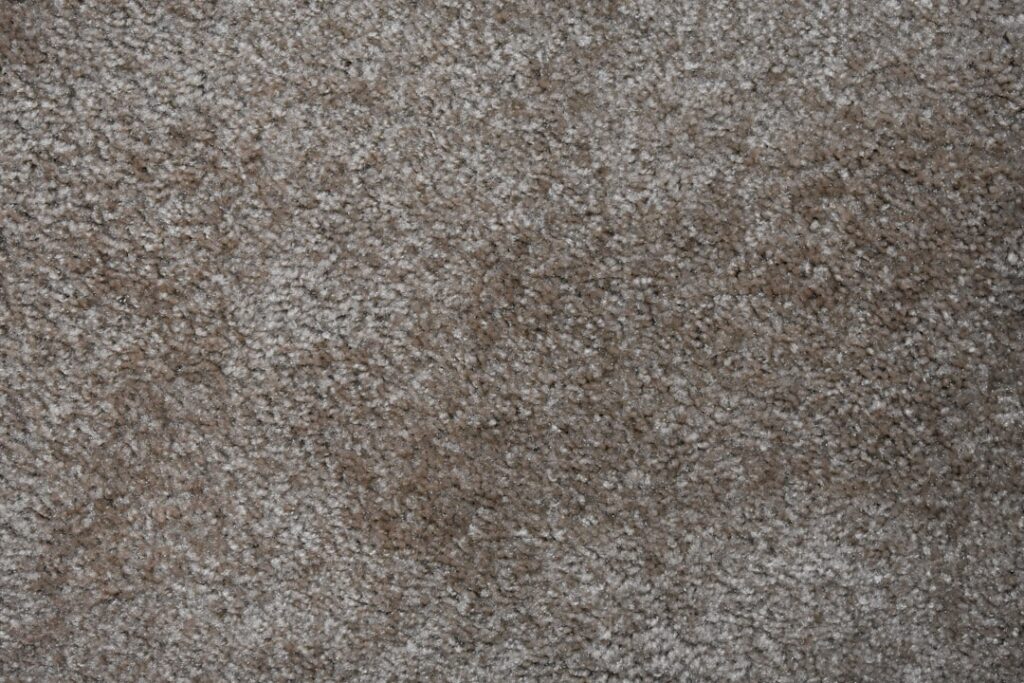
There is a reason people sink their toes into a plush carpet in the showroom and immediately want it in their bedroom. Fuzzy carpet, the soft, deep-pile category that includes shag, frieze, and plush saxony styles, is all about comfort: a warm, cushioned, luxurious surface that turns a hard, echoey room into a cozy retreat. But that softness comes with trade-offs in durability and cleaning that every homeowner should understand before choosing it. This guide walks through the types of fuzzy carpet, where each one works best, what it costs, and how to keep that plush pile looking full and fresh for years.
What Makes a Carpet Fuzzy
Fuzziness comes down to pile height and fiber construction. A carpet’s pile is the visible surface of yarn tufts, and longer, looser, less-twisted tufts create that soft, shaggy feel, while short, tightly twisted fibers make a firmer, more durable low-pile carpet. Fuzzy carpets have taller pile and softer, often thicker or looser yarns, which is what gives them their plush hand and cushioned step. The same construction that makes them feel wonderful also makes them show footprints and vacuum marks and trap more dirt deep in the pile, so softness and easy maintenance tend to pull in opposite directions.
Types of Fuzzy Carpet
Several carpet styles fall under the fuzzy umbrella, each with a different look and feel:
- Shag: the longest, most dramatic pile, with distinct strands that create a deep, casual, retro-cozy texture.
- Frieze: twisted, curly fibers that look textured and hide footprints better than straight-pile plush, a durable soft option.
- Saxony plush: dense, even-cut pile with a smooth, formal, velvety surface that shows every mark.
- Cut-and-loop: a mix of cut and looped yarns that adds pattern and texture while staying soft.
- Soft nylon and polyester plush: engineered ultra-soft fibers that maximize the fuzzy feel underfoot.
Frieze and cut-and-loop tend to balance softness with better durability and mark-hiding, while shag and saxony deliver the most plush look at the cost of more upkeep.
Best Rooms for Fuzzy Carpet
Softness belongs where comfort matters most and traffic and mess are lowest. The ideal spots are bedrooms, where bare feet land first thing in the morning and a plush surface feels indulgent; formal living rooms and dens that see gentle use; and cozy media or reading rooms. Nurseries and playrooms can benefit from the cushioning too, though washability becomes a concern with kids. Where fuzzy carpet struggles is in high-traffic, high-mess zones: entryways, hallways, stairs, kitchens, and dining areas all grind dirt into deep pile and crush the fibers quickly. Reserve the plush stuff for the calm rooms and use tougher, low-pile flooring where life gets busy.
Comfort and Warmth
The payoff of fuzzy carpet is real and immediate. Deep pile provides genuine cushioning that is easy on feet, knees, and joints, and it makes a room noticeably warmer by insulating against a cold subfloor, which can even trim heating costs in a bedroom. Fuzzy carpet also absorbs sound, softening the echo in a room and dampening footsteps between floors, which is why it is popular in upstairs bedrooms and media rooms. A quality carpet pad underneath amplifies all of these benefits, adding cushioning, warmth, and sound absorption while extending the life of the carpet by protecting the backing from wear.
Durability Considerations
This is where you have to be honest about lifestyle. Longer, softer pile is inherently less durable than tight low-pile carpet because the fibers crush, mat, and show wear paths faster under traffic. Fuzzy carpet also shows footprints and vacuum lines, and its deep pile traps dust, crumbs, and pet hair that are harder to fully extract. Fiber matters: nylon is the most resilient and bounces back better, polyester and triexta feel exceptionally soft and resist stains but can mat sooner, and construction quality and pad choice affect longevity too. If you have big dogs, young kids, or heavy traffic, a durable frieze or a stain-resistant engineered soft fiber will hold up better than a delicate saxony or long shag.
What Fuzzy Carpet Costs
Pricing spans a wide range based on fiber and quality. Rough figures for materials:
- Basic polyester plush or shag: about $2 to $4 per square foot.
- Mid-grade soft nylon and frieze: roughly $4 to $7 per square foot.
- Premium plush and designer soft carpets: $7 to $12 or more per square foot.
Add roughly $1 to $3 per square foot for a quality pad and another $3 to $6 per square foot for professional installation. Do not skimp on the pad, since it does much of the work of keeping a fuzzy carpet comfortable and durable. A bedroom of 150 to 200 square feet is a manageable project cost, especially compared to carpeting a whole home.
Cleaning and Care
Keeping fuzzy carpet looking full takes a bit more attention than low-pile. Vacuum regularly, using a vacuum with adjustable height and, for shag, a suction setting or a brush that will not tangle the long strands; a beater bar can be too aggressive on very long pile. Blot spills immediately and treat stains promptly with a carpet-safe cleaner, working from the outside in to avoid spreading. Deep clean periodically with a hot-water extraction or professional cleaning to pull dirt out of the deep pile, and be careful not to over-wet it, since dense pile holds moisture and can take a long time to dry. Rake or groom shag occasionally to lift and fluff the fibers back up.
The Bottom Line
Fuzzy carpet transforms a bedroom or cozy living space into a warm, plush, sound-softened retreat, and there is nothing like sinking your feet into it. The trade-off is durability and cleaning: deep, soft pile shows marks, traps dirt, and wears faster than low-pile carpet, so it belongs in low-traffic, low-mess rooms rather than busy hallways and entries. Choose a resilient fiber like nylon or a stain-resistant soft polyester, invest in a good pad, keep it out of high-traffic zones, and vacuum and deep clean it on schedule. Do that, and your fuzzy carpet will stay soft, full, and inviting for years.


