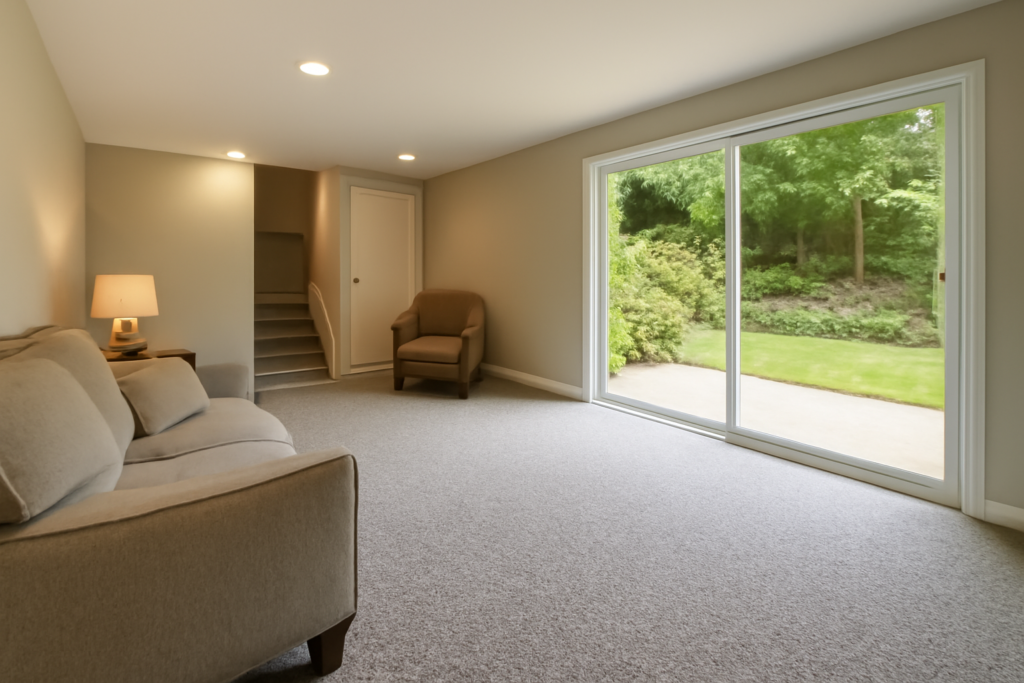
If you have ever pulled up soggy plush carpet after a basement leak, you already know why so many homeowners switch to indoor outdoor carpet for basement floors. Unlike traditional carpet, which soaks up water and grows mildew in the pad, indoor-outdoor carpet is built from synthetic fibers that shrug off moisture, dry fast, and can often be hosed clean. For a below-grade space that will always fight a little humidity, that resilience is exactly what you want.
This guide covers what indoor-outdoor carpet is, how it holds up in a basement, what it costs, how to install it, and the specific situations where it is the smart choice versus where you might want something else. The goal is simple: a comfortable, warm-underfoot basement that survives the next spilled drink, damp spell, or minor flood.
Why Indoor-Outdoor Carpet Suits Basements
Basements are the toughest room in the house for flooring because they sit below grade, where concrete wicks up ground moisture and humidity runs high. Standard carpet with a foam pad is a sponge in that environment; once water gets into the pad, mold sets in within 24 to 48 hours. Indoor-outdoor carpet avoids that trap because it is made almost entirely of solid-dyed polypropylene (olefin) or polyester fibers over a closed, water-resistant backing. Water rolls off or dries out instead of sitting in the fibers.
The material was originally engineered for patios, boat decks, and pool surrounds, so mildew resistance and UV stability are built in. Bring that same toughness indoors and you get a floor covering that tolerates the damp, cool conditions a finished basement throws at it, while still feeling far warmer and quieter than bare concrete.
Once your patio flooring is in place, think about how you’ll use the space. A gazebo adds shade and structure, while a good outdoor furniture set turns it into a spot you’ll actually want to hang out in. A deck box is also worth considering if you need somewhere to stash cushions and outdoor gear.
We may earn a commission when you purchase through our links.
Types of Indoor-Outdoor Carpet
Not all indoor-outdoor carpet is the same, and the type you pick changes both comfort and performance. Understanding the main styles helps you match the product to how you actually use the space.
- Needle-punch (felt-look): Dense, flat, and inexpensive. Extremely durable and easy to clean, but thin and firm underfoot.
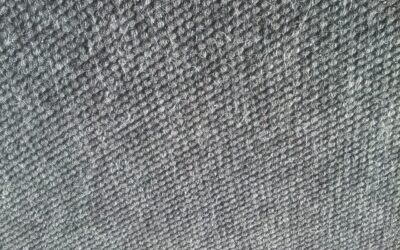
- Looped olefin: A low-loop pile that mimics real carpet texture while staying moisture-resistant. A popular middle ground for finished basements.
- Cut-pile polyester outdoor: Softer and plusher, closer to a true indoor feel, at a higher price and slightly more maintenance.
- Carpet tiles with waterproof backing: Modular squares you can lift and replace if one section floods or stains.
For most basements, a looped olefin broadloom or waterproof-backed carpet tile hits the sweet spot between comfort, cleanability, and cost. Needle-punch is the budget workhorse for utility areas, gyms, and playrooms.
What Indoor-Outdoor Basement Carpet Costs
Price is one of the biggest reasons homeowners choose indoor-outdoor carpet for basement floors. Basic needle-punch runs about $0.50 to $1.50 per square foot, looped olefin broadloom lands around $1.50 to $3 per square foot, and premium plush outdoor styles reach $3 to $5. Waterproof carpet tiles typically cost $2 to $4 per square foot but save money long term because you replace only the damaged squares.
Installed, budget on $2 to $6 per square foot including labor and adhesive, well below the $6 to $12 you would spend on plush carpet with a moisture barrier and pad. For a 500-square-foot basement, that is roughly $1,000 to $3,000 finished, and often less if you glue it down yourself over a weekend.
Installation: Glue-Down vs. Loose-Lay
The best installation method for indoor-outdoor carpet in a basement is a full glue-down using a moisture-resistant outdoor carpet adhesive applied directly to sealed concrete. Skip the pad entirely; a pad only traps moisture below grade and defeats the whole purpose. Before you spread any glue, run a simple plastic-sheet test: tape a 2-foot square of plastic to the slab for 48 hours and check for condensation underneath, which signals a moisture problem you must address first.
Prep the slab by cleaning it thoroughly, patching cracks, and sealing bare concrete with a masonry sealer. Carpet tiles are the easier DIY route because many use peel-and-stick backing or a pressure-sensitive adhesive, and you can pull individual tiles for cleaning. Broadloom rolls give a seamless look but demand careful seaming and trimming. Whichever you choose, let the material acclimate in the basement for 24 hours so it relaxes flat before you set it.
Moisture Management Still Matters
Indoor-outdoor carpet resists water, but it is not a cure for a wet basement. If your slab actively weeps or you get seasonal flooding, fix the source first. Grade soil away from the foundation, extend downspouts, run a dehumidifier to hold humidity below 50 percent, and consider a sump pump if water intrusion is chronic. A raised subfloor panel system with a dimpled plastic underside, topped by carpet tiles, is worth the extra cost in a basement that has flooded before because it keeps the carpet off the cold slab and lets any water drain beneath.
When water does get in, the payoff of this material shows: extract standing water with a wet vacuum, run fans and the dehumidifier, and the carpet dries in a day or two instead of rotting like a traditional pad would.
Comfort and Warmth Trade-Offs
The honest downside of indoor-outdoor carpet is that it never feels as plush as a thick residential carpet with a foam pad. Needle-punch styles in particular sit firm and thin, closer to felt than to a bedroom carpet. If barefoot comfort matters, step up to a looped or cut-pile outdoor style, and consider laying it over a low-profile subfloor panel system, which adds a thin thermal break between the cold concrete and your feet. That combination softens the floor noticeably while still keeping moisture at bay.
Warmth is the other consideration. Olefin does little to insulate on its own, so a basement slab still reads cool through a thin covering. Homeowners in northern climates often pair indoor-outdoor carpet with radiant-friendly subfloor panels or simply accept that a rug and slippers make the difference. For a playroom, home gym, or laundry area, though, the slight firmness is a fair trade for a floor that laughs off spills, sweat, and the occasional flood.
Cleaning and Long-Term Care
Maintenance is refreshingly simple. Vacuum regularly to pull grit out of the low pile, spot-clean spills with mild soap and water, and for tougher jobs many olefin styles tolerate a light hose-down and squeegee if you have a floor drain. Because the fibers are solution-dyed, you can even use diluted bleach on stubborn stains without fading the color, something you would never try on nylon plush.
Expect a good indoor-outdoor floor to last 8 to 12 years in a basement setting, longer if it stays dry. That combination of low price, easy cleaning, mildew resistance, and quick drying is exactly why indoor outdoor carpet for basement projects remains one of the most practical flooring choices for below-grade rooms. Choose the pile style that matches your comfort needs, glue it down over a properly sealed slab, and keep humidity in check, and you will have a warm, worry-free floor that stands up to whatever your basement throws at it.