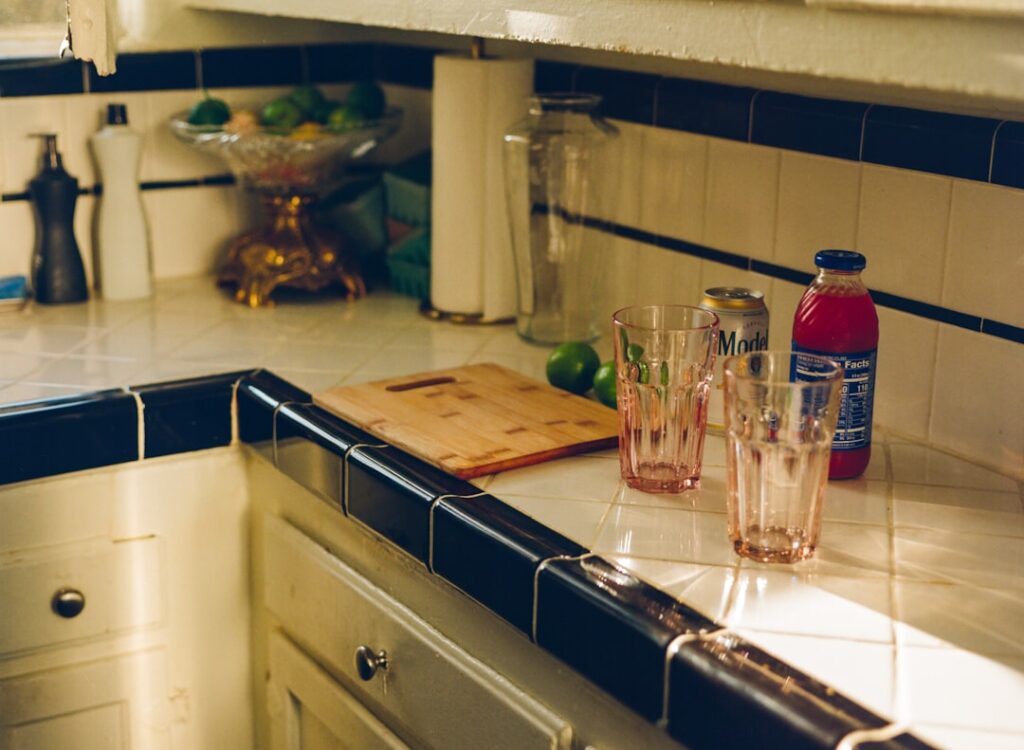
The right tile countertop edge ideas can transform a basic tiled surface into a polished, custom-looking centerpiece in your kitchen or bathroom. The edge is the detail people see and touch every day, so it deserves real thought. A well-chosen edge hides the raw sides of your tile, protects against chips, and ties the whole design together. This guide walks you through the most popular edge treatments, their costs, and how to pick the one that suits your style and budget.
Part of our Countertops guide — explore the full guide →
Whether you are tiling a counter for the first time or updating an older surface, the edge you choose sets the tone. Some options lean traditional and soft, others feel sleek and modern, and a few add a striking accent of color or material. Knowing your choices helps you finish the job with confidence.
Why the Edge Treatment Matters
On a tiled countertop, the field tiles cover the flat surface, but their cut edges along the front and sides are exposed, sharp, and unattractive if left bare. An edge treatment caps those edges to create a smooth, finished border. Beyond looks, the edge protects vulnerable tile corners from chipping and keeps water from seeping behind the counter.
Edge choices also affect comfort and safety. A rounded profile is gentler against your body and forgiving if you bump into it, while a crisp square edge reads more contemporary but can feel sharp. Matching the edge to how you actually use the space is just as important as matching it to your aesthetic.
Classic Bullnose and Rounded Edges
Bullnose tiles are the most common and beginner-friendly edge option. These are field tiles with one or two rounded edges, designed to wrap smoothly over the counter’s front. The soft curve looks timeless, feels comfortable, and pairs well with traditional and transitional kitchens.
You can buy matching bullnose pieces in the same line as your field tile for a seamless look, or use a contrasting color to frame the surface. Bullnose trim is widely available and affordable, often running just a few dollars per linear foot, which makes it a budget-friendly way to get a clean, finished result.
Trim Tiles and Decorative Borders
If you want more character, specialty trim tiles open up plenty of options. Consider these popular profiles.
- V-cap edge: An L-shaped tile that wraps the front and top edge in one piece, creating a small raised lip that helps contain spills.
- Pencil liner: A thin, rounded strip used as an accent border, often in a contrasting color or finish.
- Chair rail or ogee trim: Sculpted profiles that add a layered, traditional look with more visual depth.
- Mosaic border: A strip of small mosaic tiles along the edge for a handcrafted, detailed touch.
Decorative trims cost more than plain bullnose and take extra care to install, but they let you personalize the counter in ways field tile alone cannot.
Wood Edge Trim for Warmth
Wrapping the edge of a tiled counter in a strip of finished wood is a warm, custom touch that softens the hard surfaces of a tile installation. Wood trim works beautifully in farmhouse, rustic, and cottage kitchens, adding contrast and a handmade feel.
Choose a hardwood that resists moisture and seal it thoroughly, since the kitchen environment is tough on wood. Plan to reseal periodically to keep it protected against water and stains. The look is distinctive, though the upkeep is higher than a fully tiled edge, so weigh the maintenance against the charm it brings.
Metal Edge Profiles for a Modern Look
Metal trim pieces, often sold as tile edging or edge profiles, deliver a crisp, contemporary finish. Available in stainless steel, brushed nickel, brass, bronze, and other finishes, these slim profiles tuck along the edge to create a clean, protective border with a sharp modern line.
Metal edging resists chipping, handles moisture well, and coordinates nicely with stainless appliances and modern hardware. It is also one of the easier edges to install because the profile guides the tile placement. Costs vary by metal and finish, but mid-range options remain affordable for most projects and add an upscale accent.
Choosing the Right Edge for Your Space
With so many directions to go, a few questions help narrow the field.
- What is your design style? Rounded bullnose suits traditional rooms, metal profiles suit modern ones, and wood fits rustic spaces.
- How much do you want to spend? Bullnose is the budget choice, while ogee trim and premium metals cost more.
- How will you use the counter? A raised V-cap lip helps contain spills, which is handy in busy kitchens.
- What is your skill level? Bullnose and metal profiles are the most forgiving for first-time tilers.
Installation and Finishing Tips
Whatever edge you select, careful installation makes the difference. Dry-fit your edge pieces before applying adhesive so you can plan cuts and spacing, and make sure the edge tiles align cleanly with the field tiles. Use the same grout color throughout for a cohesive look, or pick a contrasting grout if you want the border to stand out.
Seal grout lines and any porous trim, especially natural stone or wood, to guard against stains and moisture. For complex profiles like ogee or mitered corners, take your time or consider hiring a professional, since precise cuts are tricky.
Maintaining Your Tiled Edge Over Time
Once your edge is installed, a little upkeep keeps it looking sharp for years. Wipe spills promptly so liquids do not sit on grout lines or seep behind the edge, and clean with a mild, non-abrasive cleaner that will not dull glazed tile or etch natural stone. Avoid harsh scouring pads on metal profiles, since they can scratch the finish.
Reseal grout and any wood or stone trim on a regular schedule, typically once a year for high-use kitchen counters, to maintain water resistance. Inspect the edge periodically for chips or loose grout, and address small problems quickly before they grow. A chipped corner caught early is an easy repair, while one left alone can let moisture work behind the tile.
With the right tile countertop edge ideas and a patient approach, you can finish your counters with a detail that looks intentional, durable, and uniquely yours. The edge is where craftsmanship shows, so the time you invest in choosing and installing it pays off every day you use the space.
Prefer to explore on your own?
See how new flooring looks in your actual room in seconds — free, no signup.
Try the free Floor Studio →