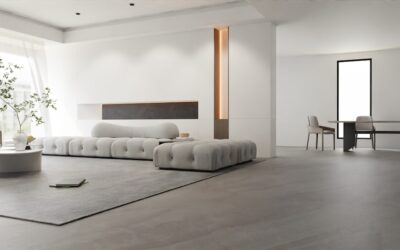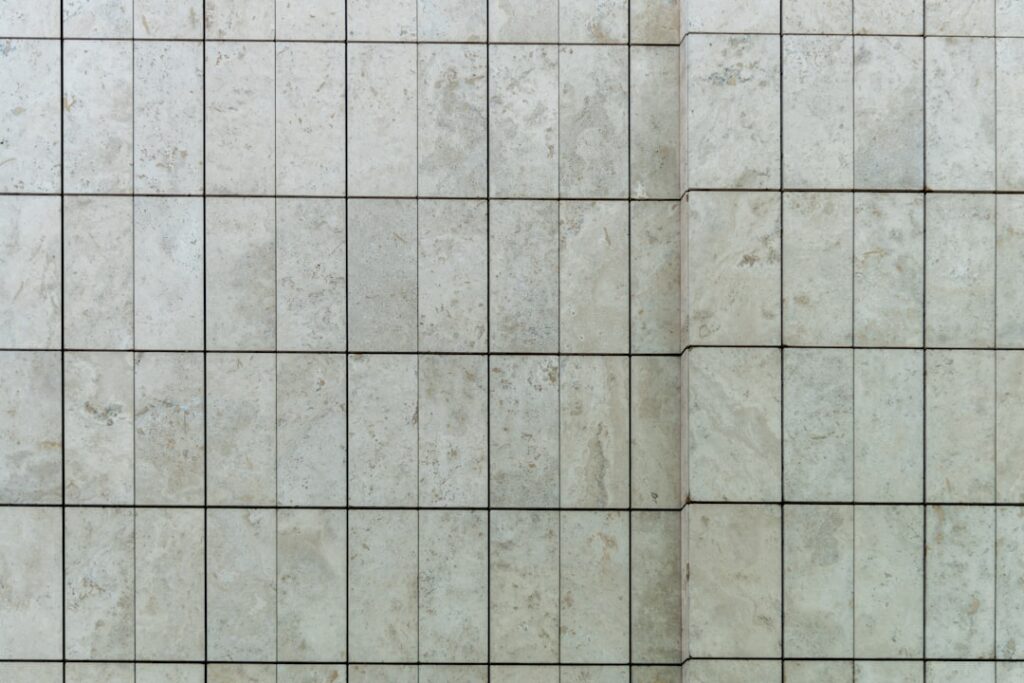
Stone-look and tile-look LVP have come a long way in five years. The visual fidelity is good enough that most clients can’t tell the difference between a high-end Mannington Adura tile-look plank and actual porcelain until they’re standing on it. Tile LVP flooring bridges the gap between expensive stone installations and budget vinyl, delivering most of the visual appeal at one-third the installed cost. The trade-offs are real but manageable if you understand them up front.
Part of our Tile & Grout guide — explore the full guide →
What Tile-Look LVP Actually Is
Tile-look LVP uses the same multi-layer construction as standard vinyl plank — wear layer, printed visual layer, SPC or WPC core, and an attached underlayment — but with a tile-format size (usually 12 by 24 inches, 18 by 18 inches, or 12 by 12 inches) instead of plank dimensions. The visual layer is printed with stone, slate, marble, or ceramic patterns. Higher-end products use embossed-in-register texturing where the surface texture aligns with the printed pattern, mimicking the irregular surface of natural stone.
The latest generation includes grout-line emulation with deeper recessed edges between tiles. From three feet away, properly installed tile LVP is almost indistinguishable from real porcelain.
How It Compares to Real Porcelain Tile
Porcelain wins on durability. A through-body porcelain rated PEI 4 or 5 will outlast almost any LVP, and the surface doesn’t degrade from UV exposure the way vinyl can. Porcelain is also cooler underfoot in summer, conducts radiant heat better, and doesn’t scratch from sliding pet claws.
LVP wins on installation cost, comfort, and acoustics. Tile LVP installs in a day. Real porcelain takes two days plus three days of grout cure. LVP has give underfoot that’s easier on feet and joints over four-hour kitchen prep sessions. The acoustic insulation is dramatically better — porcelain echoes, LVP doesn’t.
Maintenance leans LVP. Real tile grout stains and requires sealing every two years. LVP has no grout lines to maintain, just a damp mop with neutral cleaner.
Top Brands and Product Lines
Mannington Adura Max tile-look collection runs $4.99 to $7.49 per square foot. The patterns are exceptionally well-printed with embossed texture and approved for full-bathroom installation. 20-mil wear layer with a 25-year residential warranty.
Karndean LooseLay and Korlok Select tile-look products run $5.99 to $9.49 per square foot. Karndean’s printing technology is the gold standard in the LVP category, and their tile-look collections include some of the most realistic limestone and travertine patterns on the market. The 20-mil wear layer (some 30-mil products) holds up in commercial-grade traffic.
Shaw Coretec Pro Plus Enhanced XL in tile format runs $4.49 to $6.99 per square foot. The 12-mil to 20-mil wear layer options span budget through mid-tier. Coretec’s attached cork underlayment is a useful acoustic feature for second-floor installs.
Mohawk Solidtech Plus tile-look collections run $3.49 to $5.99 per square foot, with the strongest value pricing in the tier. The 20-mil wear layer and 100 percent waterproof core handle most residential applications.
Pricing and Total Installed Cost
Tile LVP runs $3.49 to $9.49 per square foot for material and $1.50 to $3.50 per square foot for installation. Total installed cost lands at $5 to $13 per square foot — significantly less than the $10 to $22 per square foot for real porcelain tile in most markets. The savings on a 200-square-foot kitchen are typically $1,000 to $1,800.
Wear Layer and Real-World Durability
Wear layer thickness is the single most predictive durability spec. 6-mil to 12-mil wear layers are entry tier and best for low-traffic guest rooms. 20-mil wear layers handle residential kitchens, hallways, and family rooms for 15 to 20 years of daily use. 30-mil products (Karndean Korlok Select Commercial) are rated for commercial traffic and overkill for most homes.
The wear layer is a clear urethane coat infused with aluminum oxide particles. Higher mil counts mean more material between your shoes and the printed pattern. Sliding furniture across a 12-mil floor will eventually show micro-scratches in the wear surface; a 20-mil resists that wear noticeably better.
Installation Specifics for Tile-Format Vinyl
Tile-format LVP needs flatter subfloors than plank because the larger tiles have less inherent flexibility to bridge minor variations. Maximum deviation is 3/16 inch over 10 feet, and self-leveling compound is often required on older slabs or out-of-level plywood subfloors.
Most tile LVP uses a click-lock floating install with 1/4-inch expansion gaps at walls. Some products (Karndean LooseLay) use a perimeter-only adhesive system. For installations larger than 1,200 square feet, intermediate transition strips may be required — verify with the manufacturer’s spec sheet.
Cut tiles with a sharp utility knife and a metal straightedge. Score the wear layer and snap the tile cleanly. A 30-degree blade angle gives a smoother cut edge than the standard 45-degree. Use a tile-cutting blade in a jigsaw for L-cuts around door jambs.
Where Tile LVP Falls Short
Sunlight degrades the wear layer urethane over 10 to 15 years of direct UV exposure. South-facing rooms with no window treatment will yellow visibly before the wear-out limit. UV-protective window film or shading mitigates the issue.
Heavy point loads can dent SPC and WPC cores. Refrigerators on small wheels, piano casters, and unprotected office chair wheels all create permanent depressions over time. Use furniture coasters and the wider polyurethane chair wheels designed for hard floors.
Resale value is harder to quantify. Real estate appraisers count porcelain tile as a feature; LVP is increasingly recognized but doesn’t carry the same premium. For high-end homes targeting $750K-plus resale, real porcelain in kitchens and bathrooms still pays back better than premium LVP.
Best Use Cases
Tile LVP earns its keep in kitchens, mudrooms, laundry rooms, and basement entertaining spaces where you want the tile look without the cost, install time, and grout maintenance. It’s also the right choice for second-floor installations where the acoustic isolation versus real tile matters to the household. For primary bathrooms and entryways with frequent water exposure, real porcelain is still the safer long-term spec.
Match the product tier to the use case. Mannington Adura Max and Karndean Korlok deliver the visual realism that justifies the premium pricing in main living areas. Mohawk Solidtech delivers excellent value for secondary spaces where budget matters more than top-tier print fidelity.
Prefer to explore on your own?
See how new flooring looks in your actual room in seconds — free, no signup.
Try the free Floor Studio →