
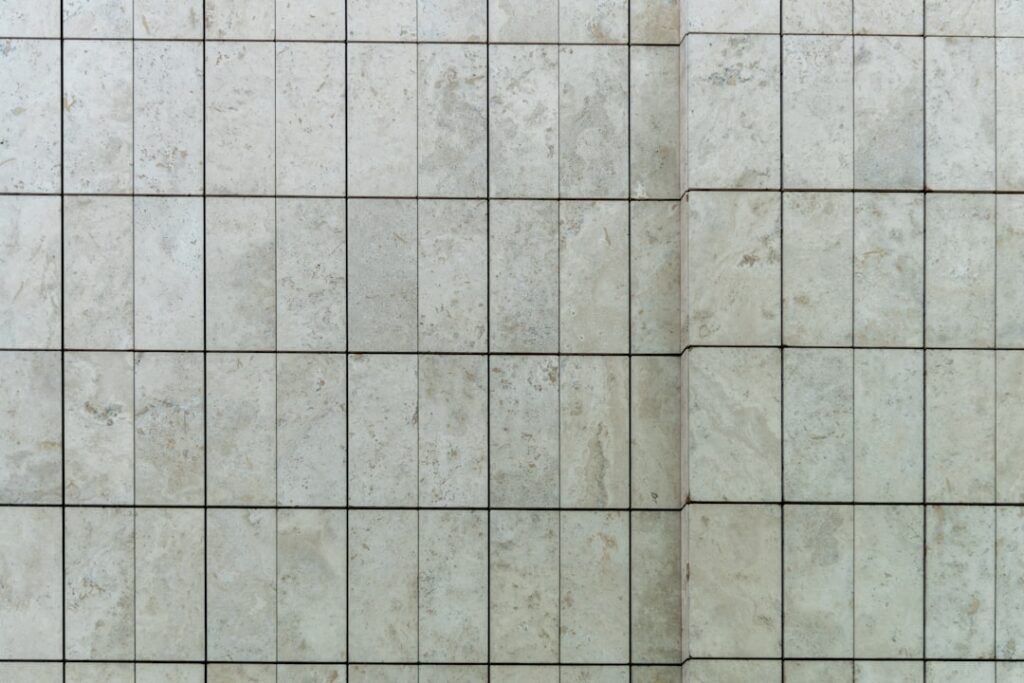
Grout lines and natural stone are the weak point of any tiled surface, and tile sealing services exist to close that gap before stains and moisture do damage you cannot scrub out. A professional seal keeps a shower from growing mildew inside the grout and stops a kitchen floor from soaking up spilled wine, which is why tile sealing services are one of the highest-value maintenance calls a homeowner can make. I have seen a $300 seal save a $4,000 re-tile.
Part of our Tile & Grout guide — explore the full guide →
This guide explains what these services include, when your tile actually needs sealing, what you should pay, and how to hire a company that does it right the first time.
What Tile Sealing Services Do
A sealing service applies a protective liquid that penetrates or coats porous surfaces so liquids bead up instead of soaking in. Contrary to what many homeowners think, most glazed ceramic and porcelain tile faces do not need sealing at all, because the fired glaze is already impervious. What almost always needs it is the grout between the tiles and any natural stone like travertine, marble, slate, or sandstone.
Pros use two broad categories of product. Penetrating (impregnating) sealers soak into the pores and leave no surface film, preserving the natural look. Topical sealers form a protective layer on top and can add sheen but wear and need reapplication more often.
What a Professional Job Includes
A quality service is more than spraying on sealer. Expect a full process.
- Deep cleaning: Grout and stone are scrubbed, often with high-pressure steam or a rotary machine, to lift embedded dirt.
- Repair: Cracked or missing grout is regrouted and cracked caulk lines are replaced before sealing.
- Drying: Surfaces must dry fully, sometimes overnight, so the sealer can penetrate.
- Sealer application: Two or more coats are applied, with dwell time between passes.
- Buffing and cleanup: Excess sealer is wiped so it does not haze the tile face.
Skipping the cleaning step is the most common corner cutters take. Sealing dirt into grout locks the stain in permanently, so insist the surface is cleaned first.
When Your Tile Needs Sealing
Timing matters. Seal too rarely and you invite stains; there is little harm in sealing on schedule.
- New installations: Cement grout should be sealed about 48 to 72 hours after grouting, once cured.
- Natural stone: Reseal every 12 to 18 months, sooner for a busy kitchen or shower.
- Cement grout in wet areas: Every 1 to 2 years.
- High-traffic floors: Annually, since foot traffic wears the seal.
A quick test: drip water on the grout or stone. If it soaks in and darkens within a minute, it is time to reseal. If it beads, the existing seal is still working.
Do You Need a Pro or Can You DIY?
Small jobs like a single backsplash are within reach of a careful homeowner with a bottle of penetrating sealer and an applicator. The case for hiring out grows with the job. Pros bring machines that clean deeper than a toothbrush ever will, they know which sealer suits your specific stone, and they apply even coats without hazing. For large floors, showers, and expensive natural stone, the labor and expertise usually justify the cost.
Epoxy grout is the exception on the DIY side: it is essentially stain-proof and does not need sealing at all, so if you have it, you can skip the service for the grout entirely.
Choosing a Tile Sealing Company
Not every outfit that lists sealing does careful work. Vet them before booking.
- Ask what they clean with: A real service deep-cleans before sealing, not just a mop and go.
- Confirm the sealer type: They should know whether penetrating or topical suits your surface and name the product.
- Get the warranty: Reputable companies back the seal for a set period, often 1 to 5 years on penetrating products.
- Check insurance and reviews: Liability coverage and verifiable local reviews protect you.
- Written scope: Repairs, number of coats, and cure time should be spelled out in the quote.
The Sealing Process Step by Step
Knowing the workflow helps you judge whether a crew is doing it right. After protecting cabinets and baseboards, the tech deep-cleans and lets everything dry. They apply the first coat of sealer with a brush, roller, or sprayer, keeping it wet for the product’s dwell time, usually 5 to 15 minutes, so it soaks in. Excess is wiped before it dries to a haze. A second coat follows once the first has set. Most surfaces are walkable in a few hours and fully cured within 24 to 48 hours, during which you keep them dry.
Temperature matters. Sealers cure best between 50°F and 80°F. In a cold garage or a humid summer bathroom, cure times stretch, so a good tech accounts for conditions rather than rushing. Rushing a second coat onto a first that has not set traps solvent and leaves a cloudy film that has to be stripped and redone.
Ventilation is part of a safe job. Solvent-based sealers give off strong fumes, so a professional crew opens windows, runs fans, and often uses low-VOC or water-based products indoors. If a company sprays a solvent sealer in a closed bathroom with no airflow, that is a red flag for both your health and the quality of the cure.
Cost Breakdown
Pricing depends on square footage, surface type, and how much cleaning and repair is needed. Typical 2026 USD figures:
- Grout sealing only: $0.50 to $2 per linear foot of grout line, or a $150 to $300 minimum.
- Floor tile and grout: $1 to $3 per square foot including cleaning.
- Natural stone sealing: $2 to $5 per square foot.
- Shower deep-clean and seal: $250 to $600.
- Whole-home service minimum: $300 to $500 for a service call.
A standard 200-square-foot tiled kitchen floor with cleaning and sealing runs roughly $300 to $600. That is cheap insurance against grout you would otherwise have to grind out and replace.
Care After Sealing
A fresh seal lasts longer with the right habits. Clean with pH-neutral products and skip vinegar, bleach, and acidic cleaners that break down sealer over time. Wipe spills promptly, especially oil, wine, and coffee on stone. Use a doormat and sweep grit before it grinds into the finish. Re-test with the water-drop method each year and reseal when the beading fades.
Steam mops are worth a special mention. The heat and moisture from a steam mop can shorten the life of a penetrating sealer on grout and stone, so use them sparingly if at all. A damp microfiber mop with a neutral cleaner does the same cleaning job without cooking your fresh seal off the surface months early.
Frequently Asked Questions
Does porcelain tile need sealing? The glazed face does not, but the cement grout between the tiles almost always does. That is the main reason to book a service.
How long does professional sealing last? A good penetrating sealer on grout holds 2 to 5 years; natural stone typically needs resealing every 12 to 18 months.
Can I walk on it right away? Usually within a few hours, but keep the surface dry and avoid heavy traffic for 24 to 48 hours while it cures fully.
Is it worth the money? For natural stone and any wet-area grout, yes. The cost of resealing is a small fraction of regrouting or replacing stained, water-damaged tile.
Booked at the right intervals and done by a careful crew, tile sealing services quietly extend the life of your floors, showers, and counters. Test your grout this month, and if the water soaks in, it is time to make the call.
Prefer to explore on your own?
See how new flooring looks in your actual room in seconds — free, no signup.
Try the free Floor Studio →

