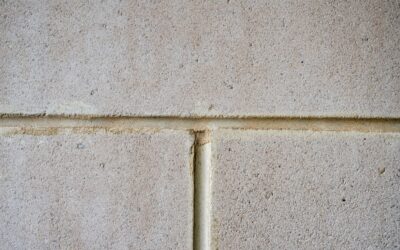
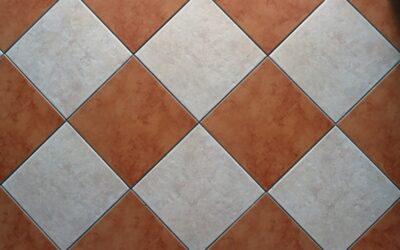
Tile and grout cleaning is one of the most searched — and most dreaded — home maintenance tasks. Tile itself is easy to clean, but grout is porous, absorbent, and relentlessly collects dirt, grease, mold, mildew, and stains that regular mopping cannot remove. Over time, grout lines darken from white to grey to brown, making even expensive tile installations look dirty and neglected regardless of how clean the tile surface actually is.
Part of our Tile & Grout guide — explore the full guide →
This guide covers everything you need to know about tile and grout cleaning — DIY cleaning methods and the best cleaners by grout type, steam cleaning effectiveness, professional cleaning services and what they cost ($1 to $3 per square foot), grout color sealing, cleaning frequency recommendations, and prevention tips that keep grout looking clean longer. For product-specific recommendations, see our best grout cleaner guide and our detailed how to clean grout walkthrough.
- Why Grout Gets Dirty (and Tile Doesn’t)
- DIY Tile and Grout Cleaning Methods
- Best Cleaners by Grout Type
- Steam Cleaning for Tile and Grout
- Professional Tile and Grout Cleaning
- Grout Color Sealing
- Tile and Grout Cleaning Cost
- How Often to Clean Tile and Grout
- Prevention Tips
- Frequently Asked Questions


Why Grout Gets Dirty (and Tile Doesn’t)
Understanding why grout stains while tile stays clean helps you choose the right cleaning approach. Tile — whether ceramic, porcelain, or natural stone — has a dense, non-porous (or sealed) surface that repels water, dirt, and stains. A simple wipe or mop removes surface grime from tile with minimal effort.
Grout, by contrast, is a cement-based material that is inherently porous. Its rough, microscopic texture absorbs liquids, traps dirt particles, and provides a hospitable environment for mold and mildew growth. Even sealed grout eventually loses its protective coating through wear and chemical exposure, becoming progressively more absorbent over time.
In kitchens, grout absorbs grease, food particles, and cooking oils. In bathrooms, it collects soap scum, body oils, hard-water minerals, mold, and mildew. In entryways and high-traffic areas, it traps tracked-in dirt, mud, and grit. The result is the same: grout lines darken and discolor while the surrounding tile remains relatively clean.
DIY Tile and Grout Cleaning Methods
Method 1: Baking Soda and Hydrogen Peroxide Paste
This is the most popular and effective DIY tile and grout cleaning method for general staining. Mix 1/2 cup of baking soda with enough hydrogen peroxide (3% concentration) to form a thick paste. Apply the paste to grout lines with an old toothbrush or grout brush, let it sit for 10 to 15 minutes, then scrub vigorously and rinse with clean water. The baking soda provides mild abrasion while the hydrogen peroxide bleaches and disinfects. This method works well on light to moderate grout staining.
Method 2: Vinegar and Dish Soap Solution
Mix equal parts white vinegar and warm water with a few drops of dish soap in a spray bottle. Spray generously on tile and grout, let it sit for 5 to 10 minutes, then scrub grout lines with a stiff brush. Rinse thoroughly. This method is effective for soap scum and light grease but should NOT be used on natural stone tile (marble, travertine, limestone) — the acid in vinegar etches and damages natural stone surfaces.
Method 3: Oxygen Bleach (OxiClean)
Dissolve oxygen bleach powder (OxiClean or similar) in warm water per package directions. Pour or spray the solution onto tile and grout lines, saturating the grout completely. Let it sit for 15 to 30 minutes (longer for heavy staining), then scrub and rinse. Oxygen bleach is one of the most effective grout cleaners available — it penetrates porous grout, lifts embedded stains, and brightens without the harshness of chlorine bleach. Safe for colored grout and most tile types.
Method 4: Chlorine Bleach (for Severe Mold and Mildew)
For severe mold and mildew in shower grout, dilute chlorine bleach (1 part bleach to 10 parts water) and apply to affected grout. Let it sit for 5 to 10 minutes, scrub, and rinse thoroughly. Chlorine bleach is highly effective against mold and mildew but can discolor colored grout and should be used with good ventilation. Do not mix bleach with vinegar, ammonia, or other cleaners — the resulting fumes are dangerous.
Method 5: Commercial Grout Cleaners
Products like Zep Grout Cleaner, Black Diamond Grout Cleaner, and Rejuvenate Grout Deep Cleaner are formulated specifically for grout stains. These commercial cleaners combine surfactants, mild acids, and bleaching agents for maximum cleaning power. Follow label directions for application time and dilution. See our best grout cleaner guide for detailed product reviews and recommendations.
| Method | Effectiveness | Safe for Natural Stone? | Best For | Cost |
|---|---|---|---|---|
| Baking soda + hydrogen peroxide | Good | Yes (most types) | Light to moderate stains | Under $5 |
| Vinegar + dish soap | Moderate | No (etches stone) | Soap scum, light grease | Under $5 |
| Oxygen bleach (OxiClean) | Very good | Yes | Moderate to heavy stains | $8 – $15 |
| Chlorine bleach | Excellent (mold/mildew) | No | Severe mold and mildew | $3 – $6 |
| Commercial grout cleaner | Very good to excellent | Check label | Targeted grout stain removal | $8 – $20 |
Best Cleaners by Grout Type
Not all grout responds to the same cleaners. Choosing the right product for your grout type prevents damage and maximizes results.
Sanded grout (most common in floor tile): Sanded grout is the most porous and stain-prone type. Oxygen bleach, baking soda paste, and commercial grout cleaners all work well. Sanded grout can handle moderate scrubbing with a stiff brush without damage.
Unsanded grout (common in wall tile with narrow joints): Unsanded grout is smoother and less porous than sanded grout but still absorbs stains. Use gentler cleaning methods — baking soda paste, oxygen bleach, or diluted commercial cleaners. Avoid aggressive scrubbing that can erode the smooth surface.
Epoxy grout: Epoxy grout is non-porous and highly stain-resistant. It rarely requires deep cleaning — warm water and a mild all-purpose cleaner handle most situations. If epoxy grout does stain (usually from dye or heavy pigments), a commercial grout cleaner or isopropyl alcohol usually works. Do not use acid-based cleaners on epoxy grout.
Grout between natural stone tiles: Use only pH-neutral cleaners on grout between marble, travertine, limestone, or slate tiles. Avoid vinegar, bleach, and acid-based commercial cleaners — they can etch, discolor, or damage the stone surfaces surrounding the grout. Oxygen bleach is generally safe but test in an inconspicuous area first.
Steam Cleaning for Tile and Grout
Steam cleaners use high-temperature pressurized steam (typically 200 to 300 degrees Fahrenheit) to dissolve grease, kill mold and bacteria, and loosen embedded dirt from grout without chemicals. Steam cleaning is one of the most effective tile and grout cleaning methods, especially for chemical-sensitive households, homes with children and pets, and situations where chemical cleaners have failed.
How it works: A handheld or canister steam cleaner directs a concentrated jet of steam onto grout lines. The heat breaks down grime, grease, and biofilm while killing mold, mildew, and bacteria on contact. You scrub the loosened debris with an attached brush head and wipe clean with a microfiber cloth.
Effectiveness: Steam cleaning is highly effective for moderate grout staining, mold, mildew, and soap scum. For deeply embedded stains (years of neglect, heavy grease penetration), steam cleaning may need to be combined with an oxygen bleach pre-treatment for best results.
Limitations: Steam cleaning does not restore grout color — if grout is permanently discolored from deep staining, color sealing (not just cleaning) is needed. Steam can damage certain sensitive tile finishes (check manufacturer recommendations) and should not be used on cracked or loose grout, as the pressure can dislodge weakened grout further.
Recommended steam cleaners for tile and grout: The Bissell PowerFresh Slim ($80 to $100), McCulloch MC1275 canister steamer ($100 to $130), and Dupray Neat Steam Cleaner ($110 to $140) are popular home-use options with grout-cleaning attachments.
Professional Tile and Grout Cleaning
Professional tile and grout cleaning services use truck-mounted or portable extraction equipment that combines high-pressure hot water, professional-grade cleaning solutions, and powerful vacuum extraction. The result is a level of cleaning that DIY methods rarely match — professionals can restore heavily stained grout to near-original color in many cases.
What the Process Includes
Pre-treatment: The technician applies an alkaline or oxidizing pre-spray to the tile and grout, allowing it to dwell for 5 to 15 minutes to break down stains, grease, and biofilm.
Agitation: A rotary floor machine or hand tool agitates the grout lines, working the cleaning solution into the porous grout surface.
Extraction: A high-pressure, high-temperature rinse tool (often a spinner-style tool enclosed in a vacuum shroud) blasts grout lines with hot water while simultaneously vacuuming up dirty water, dissolved stains, and debris. This combination of pressure, heat, and extraction removes stains that no amount of manual scrubbing can reach.
Sealing (optional, additional cost): After cleaning, the technician may apply a penetrating grout sealer or color seal to protect the clean grout from future staining.
When to Hire a Professional
- Grout has not been deep-cleaned in 3+ years and is heavily stained
- DIY methods have failed to restore grout appearance
- Large areas (over 200 square feet) make DIY cleaning impractical
- You want grout color-sealed after cleaning
- Commercial or rental property requiring consistent, fast results
Grout Color Sealing
Grout color sealing is a service that applies a pigmented, waterproof sealant over cleaned grout lines, simultaneously restoring a uniform color and sealing the grout against future stains. Color sealing is different from clear sealing — it adds color rather than being invisible.
Color sealing is the best option when grout is permanently discolored in patches (some joints lighter, some darker) and you want a uniform appearance. Available colors range from bright white to dark charcoal, allowing you to match the original grout color or change to a completely different shade. Professional grout color sealing costs $2 to $5 per square foot and typically lasts 5 to 10 years before needing reapplication.
DIY grout color seal products (Polyblend Grout Renew, Rainbow Grout Color Seal) are available for $10 to $25 per container and can be applied with a small brush or applicator bottle. DIY application is time-consuming but effective for smaller areas like shower walls and backsplashes.
Tile and Grout Cleaning Cost
| Service | Cost Range |
|---|---|
| Professional tile and grout cleaning | $1.00 – $3.00 per sq ft |
| Minimum service charge | $150 – $300 |
| Small bathroom (40–60 sq ft) | $150 – $200 (minimum applies) |
| Kitchen floor (100–200 sq ft) | $150 – $500 |
| Whole home (500–1,000 sq ft of tile) | $500 – $2,500 |
| Grout sealing (clear, after cleaning) | $0.50 – $2.00 per sq ft |
| Grout color sealing | $2.00 – $5.00 per sq ft |
| DIY cleaning supplies | $10 – $30 per project |
| Steam cleaner (purchase) | $80 – $200 |
Professional cleaning typically runs $1 to $3 per square foot, with a minimum charge of $150 to $300. Most companies charge by the square foot, so larger areas benefit from economies of scale. Add $0.50 to $2.00 per square foot for clear sealing or $2 to $5 per square foot for color sealing if desired.
How Often to Clean Tile and Grout
Proper cleaning frequency prevents grout from reaching the severely stained state that requires professional intervention or aggressive DIY treatment.
Weekly: Mop tile floors with warm water and a pH-neutral cleaner (or a tile-specific cleaner like Bona Hard-Surface Floor Cleaner). This removes surface dirt before it has a chance to absorb into grout.
Monthly: Scrub grout lines in high-traffic areas and moisture-prone zones (kitchen, bathroom floor, shower) with a baking soda paste or oxygen bleach solution. A quick 15-minute monthly scrub prevents gradual stain buildup.
Quarterly to semi-annually: Deep-clean all tile and grout with a thorough application of oxygen bleach or a commercial grout cleaner. This is also a good time to inspect grout sealant and reapply if water is no longer beading on the grout surface.
Annually to every 2 years: Consider professional tile and grout cleaning for whole-home tile areas, especially if you have large expanses of light-colored grout. Professional cleaning with sealing maintains grout appearance and extends the time between deep cleans.
Prevention Tips
Preventing grout staining is significantly easier than removing existing stains. These habits keep grout cleaner longer.
- Seal grout after installation and every 1 to 2 years thereafter. A penetrating grout sealer fills the pores in cement-based grout, dramatically reducing stain absorption. This is the single most effective prevention measure.
- Wipe up spills immediately. Grout absorbs liquids within minutes. Wiping up coffee, wine, grease, and colored liquids before they penetrate saves hours of future scrubbing.
- Squeegee shower walls and floor after every use. Removing standing water prevents mold and mildew growth and mineral deposit buildup on shower grout.
- Use doormats. Trapping dirt at entries prevents it from being tracked across tile floors and ground into grout lines by foot traffic.
- Switch to a pH-neutral cleaner. Harsh, acidic, or bleach-based cleaners used regularly can degrade grout sealant faster, actually making grout more stain-prone over time. Use pH-neutral tile cleaners for routine mopping.
- Run the bathroom exhaust fan. Reducing humidity in bathrooms inhibits mold and mildew growth on shower and floor grout.
- Consider epoxy grout for new installations. If you are installing new tile flooring or renovating a shower, epoxy grout is virtually stain-proof and eliminates the ongoing grout cleaning battle entirely.
Frequently Asked Questions
Can you make grout white again?
In most cases, yes. Oxygen bleach, hydrogen peroxide paste, professional cleaning, or grout color sealing can restore white grout to a near-original appearance. Severely stained grout that does not respond to cleaning can be color-sealed white for a uniform finish. The only situation where restoration is very difficult is when grout has been permanently dyed by strong pigments (red wine, hair dye, dark food stains) that have penetrated deeply.
Is professional tile and grout cleaning worth it?
Yes, for heavily stained grout, large tile areas, or situations where DIY methods have not produced acceptable results. Professional tile and grout cleaning equipment achieves temperatures and pressures that consumer tools cannot match, resulting in significantly better stain removal. The cost ($1 to $3 per square foot) is a fraction of regrouting or replacing tile.
Does steam cleaning damage tile or grout?
Steam cleaning is safe for most ceramic and porcelain tile and for grout that is in good structural condition. It should not be used on cracked, loose, or crumbling grout — the steam pressure can dislodge weakened grout. Check your tile manufacturer’s recommendations before steam cleaning, as some specialty finishes may be sensitive to high heat.
How do you clean grout without scrubbing?
Apply oxygen bleach solution or a strong commercial grout cleaner, let it dwell for 30 to 60 minutes, then rinse or mop without scrubbing. The extended dwell time allows the cleaning agent to break down stains chemically. Results are not as thorough as scrubbing but significantly better than mopping alone. For a truly scrub-free solution, a steam cleaner loosens embedded grime with heat rather than manual effort.
Should I seal grout after cleaning?
Absolutely. Sealing grout after a deep cleaning session protects your freshly cleaned grout from re-staining. Apply a penetrating grout sealer (not a topical sealer) to all cement-based grout lines after the grout has fully dried from cleaning (wait at least 24 hours). Penetrating sealers like Aqua Mix Sealer’s Choice Gold or Miracle Sealants 511 Impregnator provide long-lasting protection without changing the grout’s appearance.
How often should tile and grout be professionally cleaned?
For most residential homes, professional tile and grout cleaning every 12 to 24 months keeps grout in excellent condition, especially when combined with regular DIY maintenance and proper sealing. High-traffic areas (kitchen floors, entryways) and moisture-prone areas (showers, bathroom floors) benefit from annual professional cleaning. Low-traffic areas may only need professional cleaning every 2 to 3 years.
Prefer to explore on your own?
See how new flooring looks in your actual room in seconds — free, no signup.
Try the free Floor Studio →