
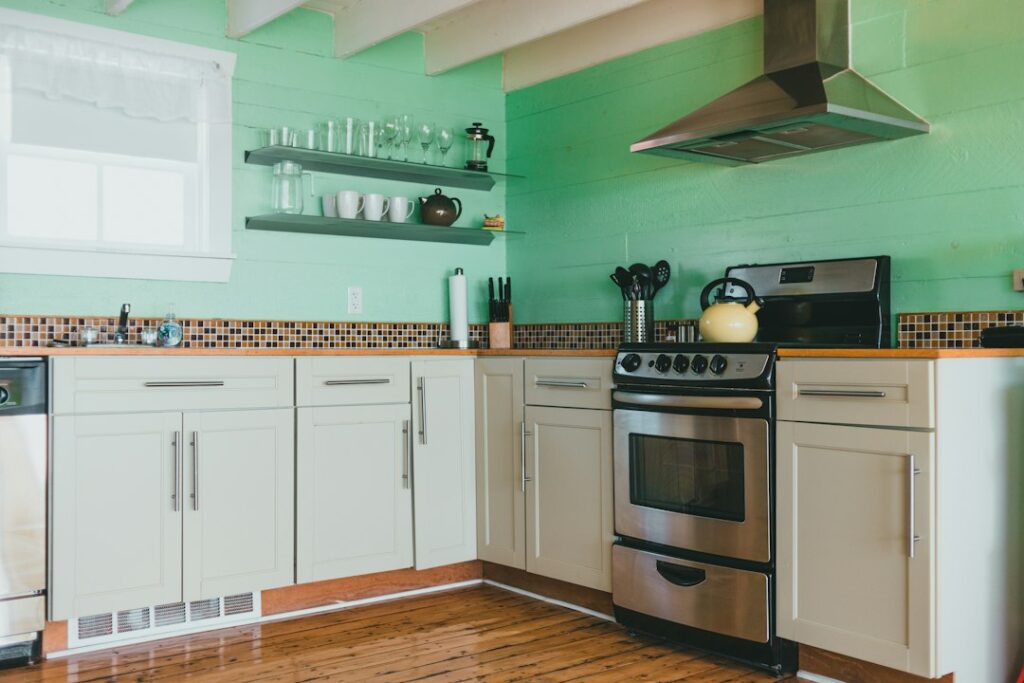
Kitchen cabinets typically stay in place for 15 to 20 years, which means the color you choose has to outlast a half-dozen passing trends. Selecting timeless kitchen cabinet colors is about picking shades that looked good a decade ago and will still feel fresh a decade from now, rather than chasing whatever dominates social media this season. This guide walks through the proven palettes, the reasoning behind them, and how to pair them with the rest of your kitchen.
Part of our Kitchen Remodeling guide — explore the full guide →
What Makes a Color Timeless
Timelessness comes from restraint and balance. Colors that endure tend to be either soft neutrals or muted, nature-derived hues with enough complexity to feel intentional but not so much saturation that they shout. They work across many lighting conditions, pair easily with multiple countertop and hardware finishes, and carry no strong association with a single era. A bold, of-the-moment color may delight you now, but a timeless choice protects resale value and spares you a costly repaint when tastes shift.
Classic White: The Perennial Favorite
White cabinets remain the most reliably timeless option for a reason. They brighten small kitchens, reflect light, and serve as a neutral canvas for any countertop, backsplash, or hardware. The key is choosing the right white. A crisp, bright white reads modern and clean, while a softer, warmer white with a hint of cream feels traditional and cozy. Avoid whites with strong yellow or gray undertones unless they intentionally complement your other finishes. White does show smudges and wear, so a durable, washable finish is essential in a working kitchen.
Warm Off-Whites and Creams
For homeowners who find pure white too stark, creamy off-whites and soft greiges (a blend of gray and beige) deliver warmth without sacrificing flexibility. These shades hide minor smudges better than bright white and pair beautifully with natural wood floors, brass hardware, and stone countertops. They suit farmhouse, transitional, and traditional kitchens especially well and have proven remarkably durable in popularity.
Sage and Muted Greens
Soft, grayed greens like sage have moved from trend to staple because they echo nature and feel calming. A muted green grounds a kitchen without overwhelming it, and it pairs effortlessly with white walls, wood accents, and both warm and cool metals. The trick is to stay muted. A bright kelly or lime green dates quickly, but a dusty, herbal green reads as a classic. Many homeowners use green on a lower cabinet run or island while keeping uppers white for a balanced, enduring look.
Navy and Deep Blues
Navy has earned its place among timeless choices by behaving almost like a neutral. It is rich and confident yet restrained enough to avoid feeling faddish. Deep blue cabinets pair strikingly with white countertops, brass or gold hardware, and natural wood, and they bring depth to kitchens that might otherwise feel flat. As with green, deep and muted versions age far better than bright, electric blues. Navy is especially effective on islands and lower cabinets where its weight anchors the space.
Natural Wood Tones
Stained and natural wood cabinets are experiencing a lasting revival, and genuine wood grain never truly goes out of style. Mid-toned woods like oak and walnut bring warmth and texture that painted finishes cannot replicate. Lighter, natural-finished woods feel airy and contemporary, while richer stains read as traditional and substantial. Wood pairs well with nearly every wall color and counters the cool sterility that all-white kitchens sometimes have. Because it is a material rather than a paint color, wood sidesteps the trend cycle almost entirely.
Soft Gray
Gray rose to dominance and then cooled, but soft, warm-leaning grays remain a safe, timeless neutral when chosen carefully. The risk with gray is coldness, so favor a gray with a subtle warm undertone over a stark blue-gray. Gray pairs cleanly with stainless steel, white quartz, and both light and dark floors, making it a flexible backdrop that does not compete with other elements.
Two-Tone Combinations
One of the most durable strategies is to combine two timeless colors rather than commit to one. Two-tone kitchens distribute color thoughtfully and add depth.
- White uppers with navy or green lowers: Keeps the room bright while grounding it with color.
- White or cream cabinets with a wood island: Blends painted and natural finishes for warmth and contrast.
- Greige perimeter with a deeper accent island: Creates a focal point without overwhelming the space.
Because each color in a two-tone scheme is itself timeless, the combination stays fresh and gives you flexibility to refresh accents over the years.
How to Pair Your Cabinet Color
A cabinet color never stands alone. Consider the full picture before committing.
- Countertops: White and light stone counters pair with almost anything. Busy or dark counters look best against simple cabinet colors.
- Hardware: Brass and gold warm up cool cabinets, while matte black and stainless keep things modern and neutral.
- Flooring: Coordinate undertones. Warm wood floors complement creams, greens, and navies, while cool floors suit grays and bright whites.
- Wall color: Keep walls soft and neutral so the cabinets remain the star.
- Lighting: Test samples under your actual kitchen lighting, since color shifts noticeably between daylight and warm bulbs.
Finish and Durability Matter
The right color in the wrong finish disappoints quickly. Satin and semi-gloss finishes resist moisture, fingerprints, and grease far better than flat finishes and wipe clean easily, which is essential in a kitchen. For painted cabinets, a quality cabinet-grade enamel resists chipping at high-touch edges and corners. Investing in a durable finish ensures your timeless color stays looking timeless rather than worn.
What to Expect to Spend
Repainting existing cabinets is the most affordable route, generally falling in the range of $30 to $60 per linear foot for professional work, or far less for a do-it-yourself project with quality enamel. New cabinets in a timeless finish span a wide range depending on materials and construction. Whatever the budget, choosing an enduring color protects that investment by delaying the next costly update.
Final Thoughts
The most timeless kitchen cabinet colors share a quiet confidence: classic whites and creams, muted sage greens, deep navies, natural woods, and warm soft grays. Pair them thoughtfully with your counters, hardware, and floors, finish them in a durable satin or semi-gloss, and your kitchen will look intentional for years to come. At D and G Flooring, we help homeowners build kitchens that age gracefully, and a well-chosen cabinet color is the foundation of a room that never feels dated.


