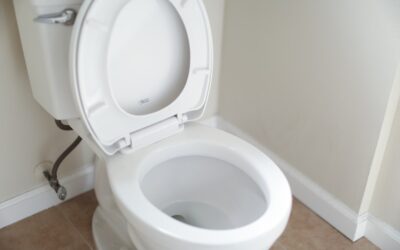
Buying a replacement lid sounds simple until you get home and the thing rocks, overhangs, or won’t bolt down. Toilet seat sizes come down to two shapes and a handful of measurements, and once you know what to check with a tape measure, you’ll never guess again. Most American bathrooms use one of two bowl profiles, and the seat has to match that profile exactly.
Part of our Bathroom Remodeling & Flooring guide — explore the full guide →
Here’s the good news: nearly every seat sold at Home Depot, Lowe’s, or on Amazon fits a standardized bolt spread, so the mounting hardware almost always lines up. The variable that trips people up is the bowl shape and its front-to-back length. Get that right and installation takes ten minutes with a screwdriver.
- Round vs Elongated: The Only Two Shapes That Matter
- Standard Toilet Seat Dimensions in Inches
- How to Measure Your Toilet
- Mounting Styles and Hardware
- Materials: Plastic vs Wood and What to Pay
- Special Cases and Common Mistakes
- Round vs Elongated: Which Should You Buy?
- Installing Your New Seat
- Specialty Seats: Bidet, Family and Raised Options
- When to Replace a Toilet Seat
- Final Checklist Before You Buy
- Frequently Asked Questions
Round vs Elongated: The Only Two Shapes That Matter
Residential toilets in the U.S. come in two bowl styles, and each has a matching seat:
- Round (round-front): The bowl opening is roughly circular. The seat measures about 16.5 inches from the mounting bolts to the front tip. These are common in older homes, powder rooms, and tight spaces because they stick out less into the room.
- Elongated (oval): The bowl opening is oval and extends farther forward. The seat measures about 18.5 inches from bolts to front. Elongated bowls are the modern default in the U.S. because most people find the extra 2 inches more comfortable.
That roughly 2-inch difference in length is the make-or-break number. A round seat on an elongated bowl leaves a gap at the front; an elongated seat on a round bowl overhangs and looks oversized. Neither substitution works, so shape is the first thing to confirm before you buy.
Standard Toilet Seat Dimensions in Inches
Manufacturers hold these measurements tight, which is why “one-size” seats exist for each shape. Typical figures:
- Round seat length: 16.25 to 16.75 inches (call it 16.5″)
- Elongated seat length: 18.25 to 18.75 inches (call it 18.5″)
- Seat width (both shapes): around 14 to 14.5 inches at the widest point
- Bolt hole spread: 5.5 inches, center to center, on almost every residential toilet
- Bolt hole to front edge: matches the length figures above
Because the bolt spread is a near-universal 5.5 inches, the hardware isn’t your problem. You could physically bolt a round seat onto an elongated bowl and it would tighten down fine. It just wouldn’t cover the bowl. Match the shape, and the standard dimensions take care of the rest.
Inside Bowl Opening Dimensions
The seat ring also has to frame the bowl opening without covering it. On a round bowl, the inside opening usually runs about 11 to 12 inches front to back; on an elongated bowl it runs about 13 to 14 inches. Side to side, both shapes typically measure about 8.5 to 9.5 inches inside. If a replacement seat lines up with the bolts but its inner edge sits over the water or leaves bare porcelain showing at the front, the shape is wrong.
How to Measure Your Toilet
Grab a tape measure and check three things before shopping. This takes about two minutes:
- Measure the length. Run the tape from the center of the two mounting bolt holes (at the back of the bowl, where the old seat attaches) straight to the outer front edge of the bowl rim. Around 16.5 inches means round; around 18.5 inches means elongated.
- Measure the bolt spread. Measure center to center between the two bolt holes. It should land at 5.5 inches. If it does, standard hardware fits.
- Measure the width. Find the widest part of the bowl, usually near the middle, and measure across. Expect roughly 14 inches. This confirms the seat won’t overhang the sides.
If your bolt spread is unusual or the bowl has an odd shape, you likely have a specialty or commercial fixture and should note the toilet’s brand and model number, often stamped inside the tank lid or on the bowl.
Mounting Styles and Hardware
The two mounting holes sit about 5.5 inches apart, but the way seats attach has evolved:
- Traditional bolt-through: Plastic or metal bolts drop through the holes and secure with wing nuts underneath the bowl. Cheap and reliable, though the nuts can be awkward to reach.
- Top-mount / quick-release: Common on mid-range seats ($30 to $60). Hinges snap onto pre-installed brackets, and you tighten from the top. Many pop off entirely for cleaning.
- Concealed hinge: Hides the hardware for a sleeker look, typical on higher-end models.
Whatever the style, the 5.5-inch spread stays constant, so upgraded hardware still fits a standard bowl.
Materials: Plastic vs Wood and What to Pay
Shape decides fit; material decides feel, durability, and price. The two mainstream options:
- Molded plastic (polypropylene): Lightweight, easy to wipe down, and resistant to chips and stains. Basic models run $15 to $30. This is the most practical choice for busy family bathrooms.
- Molded wood (MDF with an enamel coat): Heavier and warmer to the touch, with a solid feel. Expect $25 to $50. The enamel can crack over years if it flexes, so quality matters here.
Beyond those, soft-close seats (which lower gently instead of slamming) add roughly $10 to $20 and are worth it in a home with kids. Bidet seats and heated seats are a separate category, running $150 to $600-plus, but they still follow the same round-versus-elongated sizing rules.
Special Cases and Common Mistakes
A few situations don’t follow the standard playbook:
- Compact elongated: Some newer toilets use a shorter oval bowl to save space. These usually still take a standard elongated seat, but verify the length; a few need a dedicated seat.
- Chair-height (comfort-height) toilets: The bowl sits taller, around 17 to 19 inches to the seat top versus 15 inches on standard models. Height doesn’t change seat size; a comfort-height elongated toilet still uses a normal 18.5-inch elongated seat.
- D-shaped or European bowls: Imported fixtures sometimes use non-standard shapes. Buy the matching seat from the toilet’s manufacturer.
The most common mistake is assuming your toilet is elongated because it “looks big.” Always measure. Guessing wrong means a return trip and a seat that either gaps or overhangs.
Round vs Elongated: Which Should You Buy?
If you’re renovating and can pick the toilet itself, the shape decision runs deeper than the seat. Consider the room:
- Choose round for powder rooms, small half-baths, or any spot where the toilet sits close to a door swing or vanity. Saving those 2 inches of projection matters in a 30-inch-wide alcove, and round bowls typically cost $10 to $20 less.
- Choose elongated for master and family bathrooms where comfort wins. Most adults and taller users prefer the longer bowl, and it’s the resale-friendly default buyers now expect.
Rough clearance guideline: a toilet needs at least 15 inches from its centerline to the nearest wall or fixture on each side, and roughly 21 inches of open space in front (24 inches is better). An elongated bowl eats into that front clearance more than a round one, which is exactly why compact spaces lean round.
Installing Your New Seat
Once the shape and hardware match, swapping a seat is genuinely a beginner job:
- Remove the old seat. Pop the plastic caps at the back to expose the bolts, then unscrew the wing nuts underneath while holding the bolt heads steady. Corroded metal bolts may need penetrating oil or a hacksaw.
- Wipe the mounting area clean and check for cracks around the bolt holes.
- Set the new hinges over the holes, drop the bolts through, and hand-thread the nuts underneath.
- Center the seat, then tighten the nuts firmly but not so hard you crack the porcelain. Snug is enough.
- Give the seat a wiggle to confirm it doesn’t shift, and close the caps.
The whole job takes about ten minutes with nothing but a flathead screwdriver, and often no tools at all on quick-release models.
Specialty Seats: Bidet, Family and Raised Options
Specialty seats follow the same shape and bolt rules, but each adds a few extra checks.
Bidet Seats
Electric bidet seats are sold mostly in elongated sizes, and round versions are harder to find with fewer models to choose from. Before ordering, confirm the bowl length and 5.5-inch bolt spread, then check two utilities: a GFCI-protected outlet within reach of the toilet for powered models, and access to the toilet’s cold-water supply line, since the seat tees into it with a small connector. If no outlet is nearby, have an electrician add one rather than running an extension cord in a wet room.
Family Seats with a Built-In Child Ring
Family seats hide a smaller child-size ring inside the lid that folds down for potty training. The outer seat still comes in standard round or elongated sizes, so measure the bowl the same way and buy the matching shape.
Raised Seats for Mobility
Raised seats add roughly 3 to 5 inches of height for people with knee, hip or balance issues. Some clamp onto the bowl and others replace the standard seat entirely. Match the bowl shape, check that the locking mechanism grips firmly, and consider pairing a raised seat with a grab bar for safer sitting and standing.
When to Replace a Toilet Seat
Most seats last around 5 to 10 years. Replace yours sooner if you notice any of these signs:
- A cracked hinge or seat, which can leave sharp edges and pinch skin
- Permanent yellowing or staining that cleaning no longer removes
- Missing or worn rubber bumpers, which let the seat slide and scratch the bowl rim
- A seat that keeps loosening even after the nuts are retightened
- Chipped or peeling enamel on a wood seat, which lets moisture into the core
Final Checklist Before You Buy
When in doubt, confirm the shape, confirm the 5.5-inch bolt spread, and match the material to your budget. To recap the numbers worth memorizing:
- Round seat: about 16.5 inches long
- Elongated seat: about 18.5 inches long
- Width (both): roughly 14 inches
- Bolt spread: 5.5 inches, nearly universal
Nail those three checks and understanding toilet seat sizes becomes a two-minute job with a lasting, rattle-free result. Measure once, buy the matching shape, and you’ll skip the frustrating return trip that catches so many first-time buyers.
Frequently Asked Questions
Are all toilet seats the same size? No. There are two standard sizes tied to bowl shape: round at about 16.5 inches and elongated at about 18.5 inches. The bolt spread is a shared 5.5 inches, but the seat length must match your bowl.
Can I put an elongated seat on a round toilet? Not well. The seat would bolt down but overhang the front of the bowl by roughly 2 inches, looking oversized and feeling unstable. Always match the seat shape to the bowl shape.
What if my bolt holes aren’t 5.5 inches apart? A non-standard spread means you likely have a commercial, imported, or specialty fixture. Look up the toilet’s brand and model, usually stamped inside the tank or on the bowl, and order the manufacturer’s matching seat.
Do heated or bidet seats use the same sizing? Yes. Electronic and bidet seats still come in round and elongated versions and mount to the same 5.5-inch bolt spread, so the measuring rules above apply exactly the same way.
Bottom line: shape first, then length, then material. That order keeps the whole project simple and gets you a seat that fits flush the first time.