
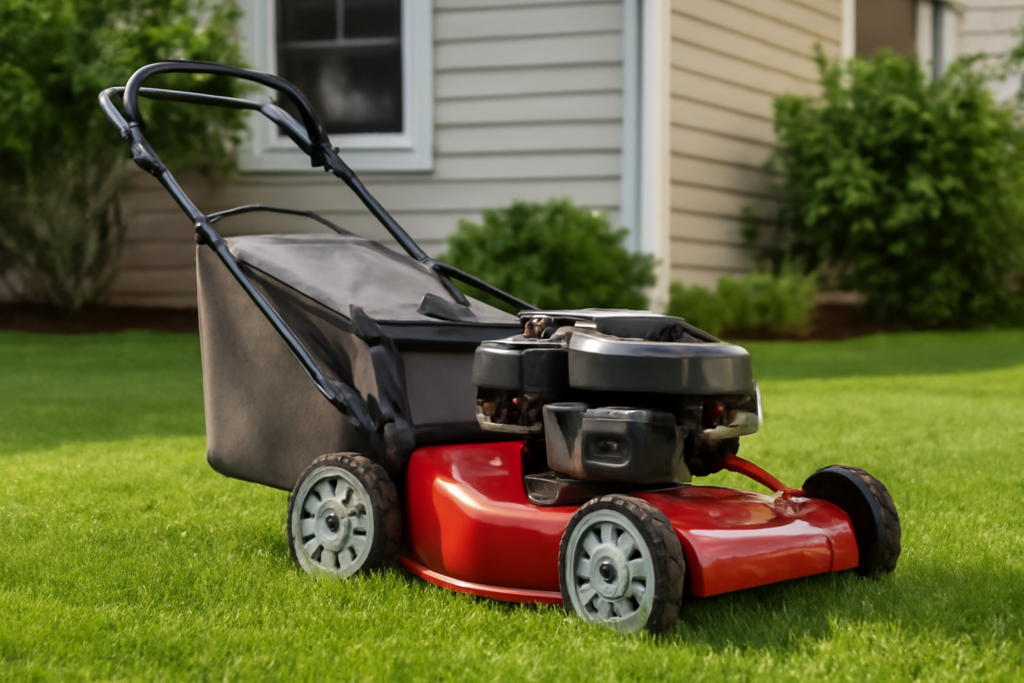
A grass catcher that has torn, clogged, or gone missing turns a clean bagging mower into a machine that spits clippings all over your freshly cut lawn. Choosing the correct Toro lawn mower bag for your specific model, installing it properly, and keeping it maintained is a small task that makes a big difference in cut quality and cleanup time. This guide covers how to identify the right bag, what to look for in a replacement, and how to make it last.
Why the Right Bag Matters
A grass bag does two jobs at once: it collects clippings and it lets air escape so the airflow that carries those clippings keeps flowing. That is why bags are made of a porous fabric mesh rather than solid material. If the bag is the wrong size, torn, or clogged, airflow drops, clippings back up into the deck, and the mower starts leaving clumps behind.
Using the correct bag designed for your exact Toro model ensures the frame fits the discharge chute, the mounting hooks line up, and the fabric breathes at the right rate. A generic or ill-fitting bag may mount loosely, spill clippings from the seams, or fail to seal against the deck, which defeats the whole purpose of bagging.
Identifying Your Toro Model
Before ordering, find your mower’s model and serial number, printed on a sticker usually located under the seat on riders or on the deck of walk-behind mowers. Toro sells many lines, including the popular Recycler, TimeMaster, Super Recycler, and various riding mowers, and each uses a specific bag and frame.
With the model number, you can look up the exact replacement bag part number in Toro’s parts diagram. This step prevents the most common mistake, buying a bag that looks right but does not fit the frame or chute. Keep these identifiers handy when you shop:
- Model number: identifies the mower series and deck size.
- Serial number: narrows down the production year and variations.
- Bag part number: the specific replacement fabric or complete assembly.
- Frame part number: the plastic or metal support the bag stretches over.
Bag-Only Versus Complete Assembly
When a catcher fails, you have two options, and knowing which you need saves money. Often only the fabric bag wears out, developing holes or thinning mesh, while the plastic frame and mounting hardware remain fine. In that case you buy just the replacement bag and slip it over your existing frame, which is the cheaper route at roughly $20 to $40.
If the frame itself is cracked or the mounting hooks are broken, you need the complete grass catcher assembly, which includes both the frame and the bag, typically $40 to $80. Inspect what actually failed before ordering. A torn bag on a good frame does not require the full assembly, and paying for the whole kit when you only need the fabric is money wasted.
How to Install a Grass Bag
Installing a Toro bag is straightforward once you have the right part. The process varies slightly between walk-behind and riding mowers, but the general steps are the same:
- Stop the engine and disconnect the spark plug wire for safety.
- Stretch the fabric bag over the frame, hooking the fabric’s plastic lip around each edge of the frame until it is snug and evenly seated.
- Open the rear discharge door on the mower deck.
- Align the bag’s chute opening with the discharge and hook the frame onto the mounting points on the handle or rear of the deck.
- Confirm a tight seal so no gap remains between the bag and the chute where clippings could escape.
Give the assembly a gentle tug to make sure it is locked in place. A bag that mounts loosely will vibrate off during mowing and spill its contents.
Keeping the Bag Working Well
A grass bag lasts far longer with a little care, and neglect is the main reason bags fail early. The fabric pores clog with fine grass dust and clippings over time, which chokes airflow and reduces how full the bag can get before it stops collecting. Cleaning is simple but often skipped.
After bagging wet or heavy grass, empty the bag promptly and let it dry rather than leaving damp clippings inside, which rot the fabric and breed mildew. Periodically hose the bag out and let it dry completely in the sun; this clears the pores and restores airflow. Store the bag in a dry place out of direct sunlight when not in use, since constant UV exposure degrades the fabric.
Common Bagging Problems and Fixes
If your Toro stops collecting well even with a good bag, run through the likely causes. Clogged mesh is the top culprit, so clean the bag first. Wet grass is the second: damp clippings are heavy and sticky, so mow when the lawn is dry and keep the blade sharp for a clean cut that bags more easily.
A dull blade tears grass and produces clippings that do not fly cleanly into the bag, so sharpen or replace the blade each season. Check that the discharge chute is not blocked with a wad of packed grass, and confirm the deck is set to a bagging-friendly height. If clippings still escape, look for gaps at the bag-to-chute seal or a torn seam that needs the fabric replaced.
OEM Versus Aftermarket Bags
When you replace a grass bag, you will find both genuine Toro parts and cheaper aftermarket options, and each has a place. Genuine Toro bags are engineered to the exact dimensions and mesh porosity of your specific model, so they fit perfectly and breathe at the right rate. That precise fit is why OEM is the safe default, especially for the frame and mounting hardware.
Aftermarket bags can save money and often work well for the fabric portion, but quality varies. A poorly made bag may use denser mesh that clogs faster, seams that split under load, or a frame lip that does not seat securely. If you go aftermarket, read reviews for your exact model and check that the listed part fits your frame. For the fabric bag alone on a common Recycler, a good aftermarket option is reasonable; for the complete assembly, sticking with OEM avoids fitment headaches.
When to Bag Versus Mulch
Owning a bag does not mean you should always use it. Toro’s Recycler mowers are designed to mulch exceptionally well, and mulching returns nitrogen-rich clippings to the lawn where they decompose and fertilize the soil for free. Bagging removes those nutrients and adds disposal work, so reserve it for the situations where it genuinely helps.
Bag when the grass is very tall and would leave heavy clumps if mulched, when you are collecting leaves in fall, or when you want the cleanest possible finished look for an event. Mulch during normal weekly mowing in the growing season to feed the lawn and save yourself the trips to empty the catcher. Switching between the two based on conditions gets you the best of both: a healthy, well-fed lawn most of the time and a spotless finish when you need it.
Getting the Most From Your Catcher
The right Toro lawn mower bag, correctly matched to your model and properly installed, keeps your lawn clean and your mowing efficient. Identify your exact model before ordering, decide whether you need just the fabric bag or the complete assembly, and install it snugly so nothing leaks. Then keep it clean and dry, sharpen the blade, and mow when the grass is dry.
Do those simple things and a grass catcher will serve you for many seasons, collecting clippings cleanly instead of scattering them across the yard you just finished cutting. When it finally wears out, ordering the correct replacement by part number takes the guesswork out and gets you back to a tidy lawn quickly.


