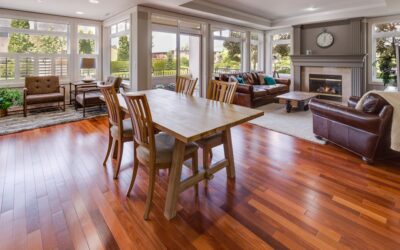
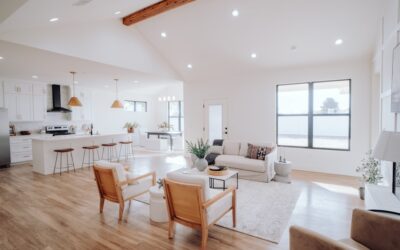
Walk into any home built before 1980 and the floor is almost always one of four materials: solid hardwood, ceramic tile, natural stone, or wool carpet over hardwood. Traditional flooring means those original, time-tested categories, the materials that defined American interiors for the last 150 years and still set the standard against which everything else gets measured. Modern alternatives like LVP and engineered hardwood imitate these floors for a reason: when done right, traditional materials simply outlast and outperform.
What Counts as Traditional
For this guide, traditional flooring includes the four established categories that pre-date modern synthetic and engineered products:
- Solid hardwood (oak, maple, walnut, hickory, pine)
- Ceramic and porcelain tile, fired in kilns and installed in mortar
- Natural stone (marble, slate, travertine, limestone, granite)
- Wool or wool-blend carpet, woven or tufted, over solid pad
Each category has centuries of installation history, well-developed repair techniques, and broad market acceptance. Resale value tends to hold up better than with newer synthetic alternatives, particularly in higher-end neighborhoods.
Cost Ranges by Material
Pricing varies dramatically by species, grade, and installation method. Recent US averages, materials installed:
- Solid red oak hardwood: $8 to $14 per sq ft
- Solid white oak or hickory: $10 to $18 per sq ft
- Walnut or quartersawn premium hardwood: $14 to $25 per sq ft
- Ceramic tile: $7 to $14 per sq ft
- Porcelain tile: $9 to $18 per sq ft
- Marble or travertine: $15 to $30 per sq ft
- Slate or limestone: $12 to $25 per sq ft
- Wool carpet with pad: $8 to $20 per sq ft
Add 15 to 25 percent for difficult subfloors, custom patterns, or complicated room layouts. A traditional materials budget for a 2,000 sq ft home renovation rarely lands below $25,000 once installation is included.
Pros That Earn the Investment
Lifespan is the headline. Solid oak refinished every 20 to 25 years can easily last 100-plus years. Original 1920s tile bathrooms still function in millions of US homes. Marble entryways from the 1890s survive in courthouses and lobbies nationwide. Synthetic alternatives have not been around long enough to make comparable claims.
Repairability is a quiet superpower. A damaged hardwood board can be cut out and replaced. A cracked tile can be popped and re-set. A stained wool carpet section can be re-tufted by a specialist. Most synthetic floors require full replacement of an entire room when damage occurs in one spot.
Resale value tends to favor traditional materials, particularly in homes priced above the local median. Buyers expect hardwood in living spaces and tile or stone in baths and kitchens. Substituting LVP throughout can read as a value-engineered build.
Cons and Trade-Offs
Upfront cost is the obvious hurdle. Traditional materials installed correctly run 2 to 4 times the cost of comparable synthetic alternatives. Budgets that work for vinyl plank in a 1,500 sq ft home rarely cover hardwood and tile.
Installation skill matters more. A poor LVP install looks acceptable. A poor hardwood install looks bad and a poor tile install looks worse, especially with stone. Vetting installers thoroughly is non-negotiable.
Maintenance is real. Hardwood needs refinishing every 20-25 years and recoats every 7-10. Stone needs sealing annually or biannually. Wool carpet needs professional cleaning every 12 to 18 months. Synthetic alternatives are largely set-and-forget by comparison.
Some traditional materials are sensitive to climate or use case. Solid hardwood does not belong over slab subfloors without a vapor barrier and engineered substitute strategy. Marble etches from acidic spills (lemon juice, wine, tomato). Wool carpet is poor in moisture-prone areas.
Where Each Material Fits Best
Solid hardwood: Living rooms, dining rooms, bedrooms, hallways, stairs. Avoid bathrooms, basements below grade, and direct kitchen wet zones unless engineered.
Ceramic and porcelain tile: Kitchens, baths, mudrooms, entries, sunrooms. Almost universal compatibility, weakest in basements due to cold underfoot without radiant heat.
Natural stone: Entries, formal baths, kitchen accents, fireplaces, libraries. Demands sealing and gentle cleaning chemistry.
Wool carpet: Bedrooms, formal living rooms, libraries, stair runners. Avoid kitchens, baths, and any area below grade.
Installation Considerations
Hardwood requires acclimation in the install space for 5 to 7 days minimum, fasteners every 6 to 8 inches, and humidity control between 35 and 55 percent year-round. Skipping acclimation is the number one cause of buckled and gapped floors.
Tile and stone require a properly prepared substrate with cement backer or uncoupling membrane (Schluter Ditra or similar), the right thinset for the material, and grout joints sized correctly for the tile format. Stone in particular needs sealing before grout to prevent staining.
Wool carpet performs best over a high-density urethane or rubber pad rated for wool. Cheap pad shortens carpet life by half and voids most wool warranties.
Maintenance Schedule for Each
- Hardwood: Damp mop weekly with hardwood-specific cleaner, recoat every 7-10 years, full refinish every 20-25 years
- Ceramic tile: Damp mop weekly with neutral cleaner, regrout as needed every 10-15 years
- Natural stone: Damp mop with stone-safe cleaner, seal annually or biannually based on use
- Wool carpet: Vacuum weekly with no beater bar, professional clean every 12-18 months, rotate furniture to avoid traffic patterns
Mixing Materials Across the Home
Most homes look best with two or three traditional materials thoughtfully zoned. Hardwood through the main living areas, tile in baths and laundry, stone at the entry, and wool carpet in bedrooms is a classic combination that has worked in American homes for a century. Transitions between materials should land at door openings or natural architectural breaks, not mid-room. Use threshold strips or T-molding sized appropriately for the height difference, and confirm the install sequence with your contractor so the higher-floor material installs first when possible.
Is Traditional the Right Choice?
If you plan to live in the home long-term, value durability and reparability over upfront price, and want materials with proven 50-plus year track records, traditional flooring is worth the premium. For short-term flips or budget-driven projects, modern alternatives may win on math. Honest about the timeline matters most. The classics earn their reputation when given enough years to prove it.
Prefer to explore on your own?
See how new flooring looks in your actual room in seconds — free, no signup.
Try the free Floor Studio →