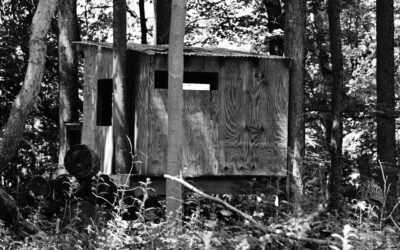
Kids do not judge a fort by its square footage. They judge it by how many ways there are to climb in, slide out and spy on the neighbors. The best tree fort ideas pack in features like rope ladders, slides, trapdoors and pulley buckets, while keeping the platform at a height that matches the age of the kids using it. A great fort is as much about safe play as it is about imagination.
Before you add any feature, settle three basics. Keep platforms low for young children (roughly 4 to 6 feet for ages 3 to 6, and no more than about 8 feet for older kids), put guardrails around every elevated edge, and lay soft surfacing in the fall zone below. If the fort is supported by a living tree, have an arborist check the tree’s health first. With those in place, the right mix of features turns a simple deck into a backyard landmark.
- Tree Fort Ideas to Plan Around: Height, Rails and Fall Zones
- Cool Tree Fort Ideas for Getting In and Out
- Play Features on the Platform
- Tree-Supported vs Freestanding Forts
- Materials and Tools
- Ladder Safety While You Build
- Typical Costs
- Troubleshooting and Maintenance
- When to Call a Pro
- Frequently Asked Questions
Tree Fort Ideas to Plan Around: Height, Rails and Fall Zones
Every one of these tree fort ideas depends on the platform being safe. Height is the most important decision because falls are the leading cause of playground injuries. Use these general guidelines:
| Age group | Suggested platform height | Notes |
|---|---|---|
| Ages 3 to 5 | 4 feet or lower | Wide steps or ramp instead of a vertical ladder |
| Ages 6 to 8 | Up to about 6 feet | Ladders with handholds, close supervision |
| Ages 9 to 12 | Up to about 8 feet | Rope features and climbing walls work well |
Any platform above about 30 inches needs a guardrail around open sides. Aim for rails at least 36 inches high (taller for higher platforms), with vertical balusters spaced less than 3.5 inches apart so a child’s head cannot get stuck. Avoid horizontal rails that kids can climb like a ladder.
The fall zone is the ground area around and beneath the fort. Keep it clear of rocks, stumps, roots and hard edges, and cover it with 9 to 12 inches of loose-fill surfacing such as wood mulch, engineered wood fiber or shredded rubber. Extend the surfacing at least 6 feet out from every edge, and farther in front of slides and swings.
Cool Tree Fort Ideas for Getting In and Out
Rope Ladder
A rope ladder is the classic entry. Use thick, rot-resistant rope (at least 3/4 inch diameter) with wooden or composite rungs, and anchor the top to the platform framing with heavy eye bolts, not just to a railing. Secure the bottom to a ground stake so it does not swing wildly. Pair it with a sturdy fixed ladder for younger kids or for adults who need to get up quickly.
Fixed Ladder or Steps
For simple tree fort ideas that work for a range of ages, a fixed ladder with handrails is safest. Set it at a comfortable angle, use treads at least 3 inches deep, and space rungs about 10 to 12 inches apart. Add a grab bar at the top where kids step onto the platform, since that transition is where many slips happen.
Slide
A slide is the fastest way down and the feature kids remember most. A prebuilt playset slide bolts to the platform edge. Match the slide length to the platform height, leave a clear runout at the bottom of at least 6 feet with soft surfacing, and choose a slide with raised side walls. Plastic slides stay cooler in summer than metal.
Climbing Wall or Cargo Net
A climbing wall with bolt-on holds or a cargo net adds a second route up and builds coordination. Keep it on the side with the best fall surfacing and keep the top within reach of a solid handhold.
Fire Pole
For older kids, a smooth metal pole set into the ground with a gap of at least 18 inches from the platform edge is a fun exit. Only add it on lower platforms, and make sure the top attachment is rock solid.
Play Features on the Platform
Once kids are up top, give them things to do:
- Pulley bucket: A small bucket on a rope and pulley lets kids haul up snacks and toys. Use a lightweight bucket and keep the rope short enough that it cannot wrap around a neck; never let kids tie the rope to themselves.
- Trapdoor: A hinged floor hatch is a favorite secret entrance. Install a slow-close hinge or a gas strut so it cannot slam on fingers, add a handle on both sides, and put a railing or gate around the opening when the hatch is open.
- Lookout tower or crow’s nest: A small raised corner with a periscope or telescope mount. Keep it within the guardrailed area rather than adding height.
- Chalkboard wall: One interior wall painted with exterior-grade chalkboard paint becomes a map table, scoreboard and art space.
- Steering wheel and flag: Turn the fort into a pirate ship or spaceship with a mounted wheel, flagpole and themed paint.
- Bench storage: A built-in bench with a lid holds toys and doubles as seating.
Tree-Supported vs Freestanding Forts
A fort built into a living tree is magical, but trees move and grow. Have a certified arborist confirm the tree is healthy, a suitable species and large enough (generally hardwoods with trunks at least 12 inches in diameter). Use specialty tree attachment bolts that allow the tree to grow and sway, rather than nailing boards directly to the trunk, which can harm the tree and loosen over time. Never wrap ropes or wire tightly around a trunk.
Many families choose a freestanding fort on posts set next to or around a tree. It looks like a treehouse but puts no stress on the tree and is easier to build level. Set posts in concrete footings below frost depth, call 811 before digging to locate buried utilities, and check local rules or HOA requirements for structures in your yard.
Materials and Tools
- Pressure-treated or naturally rot-resistant lumber for framing and decking
- Exterior-rated structural screws, bolts and joist hangers (not nails for critical joints)
- Tree attachment bolts if using a living tree
- Rope ladder, slide, climbing holds and other add-ons
- Loose-fill surfacing for the fall zone
- Drill/driver, circular saw, level, post hole digger, sander
Sand all edges smooth, countersink screw heads, and avoid exposed bolt ends that could cut or snag clothing.
Ladder Safety While You Build
Building the fort usually means working on a ladder. Set it on firm, level ground at a 4-to-1 angle, have a helper hold the base, keep three points of contact and never stand on the top two rungs. Do not carry heavy lumber up a ladder alone; lift materials with a rope once the platform is framed. If the platform is high or the tree is tall, consider hiring a pro for the upper framing.
Typical Costs
A simple ground-level fort with a ladder and slide can cost a few hundred dollars in materials. Mid-size forts with railings, a roof and multiple features often run $1,000 to $4,000 in materials. Professionally built treehouses vary widely and can reach five figures. Accessories such as slides and climbing walls each add a modest amount.
Troubleshooting and Maintenance
- Wobbly platform: Add diagonal bracing between posts and beams and check that footings are solid.
- Loose rope ladder: Re-tighten eye bolts and replace frayed rope right away.
- Splinters and cracks: Sand and reseal decking each spring.
- Compressed mulch: Rake and top up the fall zone surfacing to keep it at full depth.
- Tree damage: If you see dead limbs, fungus or cracks in the trunk, stop using the fort and call an arborist.
When to Call a Pro
Hire a carpenter or treehouse builder for platforms above about 8 feet, forts supported by more than one tree, or designs with large roofs that catch wind. An arborist should evaluate any tree you plan to attach to. Check whether your town requires a permit for structures of a certain height or size, and stay well away from overhead power lines.
Frequently Asked Questions
How high should a kids tree fort be?
Keep it around 4 feet or lower for preschoolers and no more than about 8 feet for older kids. Lower forts are just as fun and far safer.
Do tree forts need railings?
Yes, any platform above about 30 inches should have guardrails on all open sides, with balusters spaced under 3.5 inches apart.
What is the safest ground cover under a tree fort?
Use 9 to 12 inches of loose fill like wood mulch, engineered wood fiber or shredded rubber, extending at least 6 feet beyond the platform edges.
Can I build a tree fort without harming the tree?
Use specialty tree attachment bolts, avoid wrapping or nailing into the trunk, or build a freestanding fort on posts next to the tree. Have an arborist check the tree first.
What are some simple tree fort ideas for young kids?
A low platform with steps, a short slide, a chalkboard wall and a pulley bucket gives young kids plenty to do without much height.