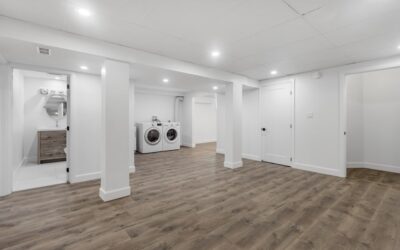
If you have ever stood in a basement and been able to see the backyard through windows set high on the wall, near the ceiling, you have been in a lookout basement. A lookout basement sits partly above ground level, with the top portion of its foundation walls rising above grade so that windows can be placed near the top of the wall, above the surrounding soil. It is the middle ground between a fully below-grade basement and a walkout that opens directly to the yard, and it offers a smart blend of natural light and buildable lot economy.
What Exactly Is a Lookout Basement
In a lookout basement, the foundation is buried for most of its height, but the top of the wall, usually a couple of feet, sits above the surrounding ground. That above-grade band is where the windows go. Because they sit at or just above the level of the soil outside, you typically look out across the lawn rather than down into a window well. From inside, the sills are high on the wall; from outside, the windows peek out just above the grade line.
The defining feature is that the ground around the house slopes down and away from those upper windows, keeping them clear of soil. Unlike a true walkout, you cannot step directly outside from a lookout basement at ground level; there is no door to the yard from the basement floor, because the floor is still below grade.
How It Differs From a Full Basement
A standard full basement is entirely or almost entirely below grade. Its windows, if any, are small and set into window wells, dug-out pockets held back by curved metal or concrete walls. You look up and out of a well rather than across the yard, and natural light is limited.
A lookout basement, by contrast, raises the house slightly so the top of the foundation clears the grade. This eliminates the need for window wells on the lookout side and lets in noticeably more daylight. The result feels less like a cellar and more like a true lower level. The tradeoff is that the home sits a bit higher, which can mean a few extra steps up to the main entry and some additional foundation height.
How It Differs From a Walkout Basement
People often confuse lookout and walkout basements because both use sloped lots and both bring in light, but they are not the same. A walkout basement requires a more dramatic slope: one side of the basement is fully exposed at ground level, with a full-size door and large windows opening directly onto the backyard at grade. You can walk straight out to the patio.
A lookout sits between the two extremes:
- Full basement: Entirely below grade, small well windows, least natural light.
- Lookout basement: Top of wall above grade, windows high on the wall just above soil, good light, but no ground-level door to the yard.
- Walkout basement: One wall fully exposed, full door and windows at grade, direct yard access, most light.
Choosing among them usually comes down to how much your lot slopes. A gently sloping or relatively flat lot suits a lookout; a steeper grade is needed for a true walkout.
The Role of Grading and the Lot
Grading is what makes a lookout basement work. The soil around the home must be shaped so it slopes away from the foundation, dropping below the lookout windows and directing water away from the house. Proper grading keeps those upper windows clear and, just as importantly, protects the foundation from water pooling against it.
A modest natural slope or some added fill and excavation creates the grade difference a lookout needs. On a perfectly flat lot, achieving a lookout can require raising the house or regrading, which adds cost. On a lot with a gentle fall from front to back, a lookout is often the natural and economical choice, while a steeper fall opens the door to a full walkout.
Benefits of a Lookout Basement
The biggest draw is light. Windows high on the wall, above grade, flood the lower level with daylight that a full basement never gets, making the space far more pleasant and livable. That extra brightness, combined with egress-sized windows, makes a lookout basement well suited to finished living space, a family room, home office, gym, or guest suite.
Other advantages include:
- Better ventilation, since the higher windows can often open for fresh air.
- No window wells to clean out or maintain on the lookout side.
- Added home value, because a bright, finishable lower level reads as real living space to buyers.
- Easier egress, helping meet code for bedrooms below grade with proper window sizing.
Finishing a Lookout Basement
Because a lookout brings in real daylight, it is one of the more rewarding basements to finish into living space. The brighter upper windows make a family room, home theater, or guest suite feel like an above-grade room rather than a dim cellar. To make the most of it, keep window treatments light and place seating or work areas where they catch the natural light from those high windows.
Egress is the technical point to nail down if you plan a basement bedroom. Building codes require a bedroom below grade to have an egress window large enough to climb out in an emergency, and a lookout’s higher window placement can make meeting that requirement easier than in a deep full basement, though the sill height still has to fall within code limits. Confirm the exact sill-height and opening-size rules with your local inspector before framing any sleeping room.
Things to Consider Before You Build or Buy
A lookout is not free of tradeoffs. Because the house sits higher, expect a few more steps at the entries and slightly taller foundation walls, which can add to construction cost compared with a fully sunken basement. The grading work to create and maintain the slope is essential and must be done right to prevent drainage problems.
Water management is the recurring theme. Even with the windows above grade, you still need good gutters, downspouts directing water well away from the foundation, and the right slope so runoff never reaches the sills. If you are buying a home with a lookout basement, check that the grading still slopes away properly and that there is no staining or moisture around those upper windows. Done and maintained correctly, a lookout basement gives you much of a walkout’s brightness and appeal without needing the steep lot a walkout demands.