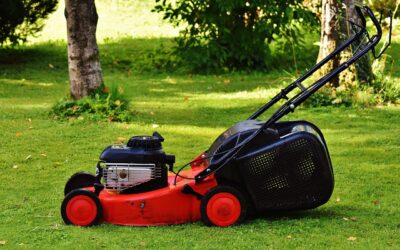
If you want a straightforward gas push mower that starts on the first pull and cuts a clean 21-inch swath, the troy-bilt tb120 series lawn mower deserves a spot on your short list. It is one of Troy-Bilt’s most popular entry-level walk-behinds, pairing a reliable Briggs & Stratton engine with a triple-blade cutting system at a price that undercuts most competitors. This guide covers the specs, real pricing, setup, and the maintenance habits that separate a mower that lasts five years from one that lasts fifteen.
What the TB120 Is Built For
The TB120 is a manual-drive, gas-powered push mower designed for small to mid-size yards, roughly a quarter-acre up to about half an acre. Because it is push rather than self-propelled, it works best on flat to gently sloped ground where you are not fighting gravity on every pass. On a level suburban lot, the light aluminum-and-steel build makes it easy to steer around flower beds and swing sets.
Troy-Bilt built the TB120 around simplicity. There is no drive transmission to fail, no battery to charge, and no complicated electronics. You add gas and oil, prime the bulb, and pull the cord. For homeowners who want fewer things that can break, that stripped-down design is a genuine feature rather than a compromise.
Engine and Cutting Specs
The heart of the TB120 is a Briggs & Stratton 550e or 550ex series overhead-valve engine displacing about 140cc. It produces enough torque to spin the blade through thick spring grass without a governor-hunting stumble. Key specifications include:
- Engine: Briggs & Stratton 140cc OHV, single cylinder
- Cutting width: 21 inches
- Cutting heights: six positions, roughly 1.25 to 3.75 inches
- Deck material: 21-inch stamped steel
- Drive type: manual push
- Starting: recoil pull start with primer bulb
The single-lever height adjustment is a convenience many budget mowers skip. One lever moves all four wheels together, so you can drop from a 3-inch summer cut to a 2-inch fall cut in a couple of seconds without kneeling at each wheel.
Real-World Pricing
The TB120 typically sells in the $230 to $290 range depending on retailer and season. That places it squarely in value territory, below premium self-propelled models that run $350 to $500 and far below commercial walk-behinds. For the price, you get a name-brand Briggs engine and a mower that will handle a small yard for years with basic care.
Watch for late-summer and end-of-season clearance. Many homeowners have picked up a TB120 for under $200 in August and September when retailers clear floor stock. If you can wait, that timing turns an already affordable mower into a bargain.
Assembly and First Start
Out of the box, the TB120 needs about 15 minutes of assembly. The handle unfolds and locks with two knobs, and the grass bag clips onto the frame if you want to bag clippings. Before the first start, complete these steps:
- Fill the crankcase with fresh SAE 30 oil, about 15 ounces; the engine ships dry.
- Add fresh gasoline, 87 octane or higher, with no more than 10 percent ethanol.
- Press the primer bulb three times.
- Hold the bail bar against the handle and pull the recoil cord briskly.
The most common first-start mistake is running the engine without oil. The TB120 ships with the crankcase empty, and skipping that fill will destroy the engine within minutes. Always check the dipstick before your first pull.
Mulch, Bag, or Side Discharge
The TB120 is a 3-in-1 mower, meaning it can mulch, bag, or side-discharge clippings. Each mode has its place. Mulching returns finely chopped clippings to the lawn as free nitrogen fertilizer and works best when you cut frequently and never remove more than a third of the blade height at once.
Bagging keeps the lawn tidy and is the right choice in fall when leaves are down or when grass has grown too tall to mulch cleanly. Side discharge shines when the grass is very tall or wet and would otherwise clog the deck. Switching modes takes seconds with the included mulch plug and discharge chute, so match the mode to the day’s conditions rather than defaulting to one.
Maintenance Schedule
The TB120 needs little, but that little is not optional. Neglecting oil and air filter service is what sends budget mowers to the curb early. Follow this simple routine:
- Every use: check the oil level and clear grass buildup from under the deck.
- Every 25 hours or annually: change the oil while the engine is warm.
- Annually: replace the air filter and inspect the spark plug, gapped to about 0.030 inch.
- Each season: sharpen or replace the blade for a clean, disease-resistant cut.
- Before storage: stabilize the fuel or run the tank dry.
A sharp blade matters more than most owners realize. A dull blade tears grass rather than slicing it, leaving frayed brown tips that invite lawn disease. A $12 replacement blade or a five-minute session with a file transforms the quality of your cut.
Common Problems and Fixes
When a TB120 refuses to start after sitting all winter, the culprit is almost always stale fuel gumming the small carburetor jets. Drain the old gas, add fresh fuel, and if it still will not fire, spray carburetor cleaner into the intake or remove and clean the carb bowl. Untreated ethanol fuel left over winter is the single biggest cause of spring no-starts.
Other quick fixes: if the engine surges or hunts, clean or replace the air filter and check for a partially clogged carburetor. If the mower leaves streaks of uncut grass, the blade is dull or you are walking too fast. And if the recoil cord feels stuck, the blade may be jammed with packed clippings, so always disconnect the spark plug wire before reaching under the deck to clear it.
Getting the Best Cut Quality
A mower is only as good as the lawn it leaves behind, and a few habits make a dramatic difference with the TB120. Follow the one-third rule: never remove more than a third of the grass blade in a single mow. Cutting too much at once stresses the turf, clogs the deck, and leaves clumps that smother the grass beneath them. If the lawn got away from you, cut it high first, wait a couple of days, then lower and cut again.
Timing and pattern matter too. Mow when the grass is dry, since wet grass clumps, clogs the deck, and cuts unevenly. Vary your mowing direction each week so the wheels do not press the same ruts and the grass does not lean permanently one way. Keep a steady walking pace that lets the 140cc engine maintain full blade speed; rushing bogs the engine and leaves ragged streaks. These small adjustments, combined with a sharp blade, produce a cut that looks like it came off a machine costing twice as much.
Storage and Off-Season Care
Because the TB120 is a gas machine, how you store it over winter determines whether spring starts with a pull or a repair. Stale, untreated fuel is the number-one cause of spring no-starts, so at the end of the season either run the tank dry or fill it with fresh gas treated with a fuel stabilizer and run the engine briefly to draw the treated fuel into the carburetor.
Do a little more while you are at it. Change the oil at season’s end so the engine winters on clean oil, disconnect the spark plug wire and clean the packed grass from under the deck, and store the mower somewhere dry to keep rust off the steel deck. Fold the handle to save space, but avoid kinking the throttle and bail cables. Ten minutes of fall prep saves an hour of spring frustration and keeps the machine reliable year after year.
Is the TB120 the Right Mower for You?
The Troy-Bilt TB120 series lawn mower is a smart pick for the homeowner with a small, mostly flat yard who wants dependable cutting without the cost or complexity of a self-propelled machine. It is light, easy to start, cheap to maintain, and backed by a widely available parts network. For a quarter- to half-acre lawn, it is hard to beat on value.
If your property is large, steeply sloped, or rough, you will be happier with a self-propelled or riding mower that does the walking for you. But for its intended job, the TB120 delivers exactly what most homeowners need: a clean cut, a reliable start, and years of service for the price of a single premium mower’s repair bill. Keep it fed with fresh fuel and clean oil, and it will earn its keep season after season.