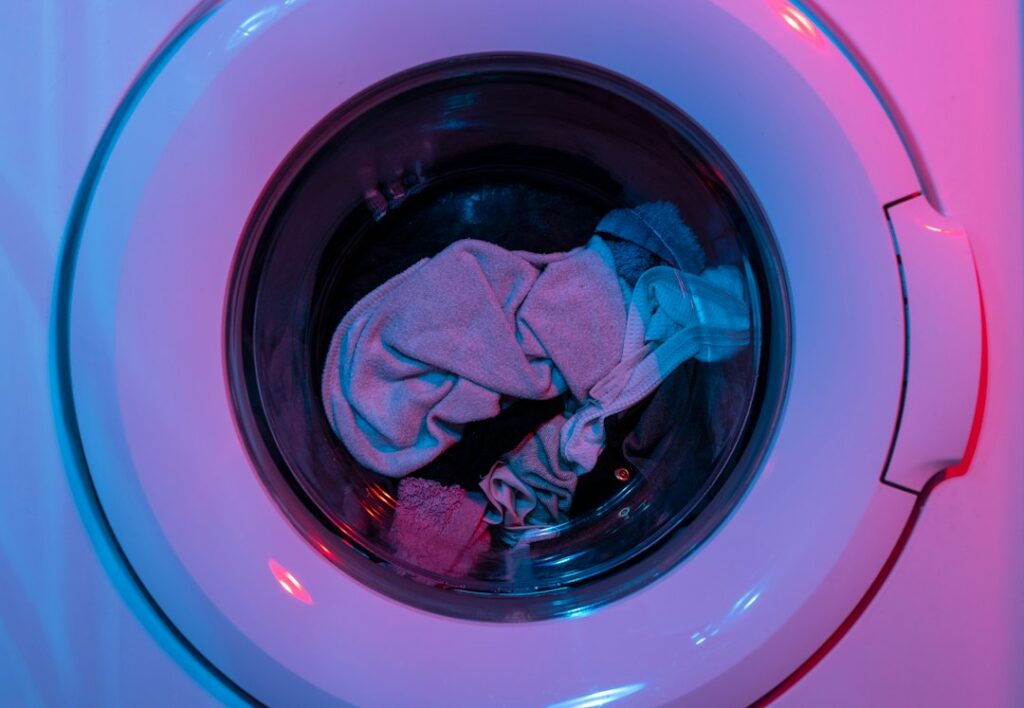
A two in one washer and dryer washes and dries a load in the same drum, so you load dirty clothes once and pull out dry ones hours later. That convenience is real, but so is the trade-off: a combined cycle often takes 3 to 6 hours, and the dryer side can only handle about half of what the washer side holds. If you have a tiny apartment, no vent, and a small household, a combo can be a smart fit. For a family of five, it usually is not.
These machines, also called a washer dryer combination unit or washer dryer in one machine, fit in the footprint of a single front-loader, often 24 inches wide. Most dry without an outside vent, and many run on a standard 120 volt outlet. Understanding how they dry, what hookups they need and where they fall short will tell you quickly whether one belongs in your home.
How a Two in One Washer and Dryer Works
Washing works just like a regular front-load washer: the drum tumbles clothes through water and detergent, drains, and spins at high speed. The difference comes after the final spin. Instead of moving clothes to a second machine, a two in one washer and dryer heats air and tumbles the same load until it is dry.
Most units dry in one of two ways:
- Condenser drying: warm, moist air from the drum passes over a cooled surface, often chilled by a small stream of cold water, so the moisture condenses and goes down the drain. No exhaust vent is needed.
- Heat pump drying: a refrigeration circuit dehumidifies and reheats the same air in a closed loop. It uses far less energy and runs cooler but takes longer.
A few models use vented drying like a standard dryer, but the ventless design is the main reason people buy a one piece washer dryer. Because the air is recirculated rather than blown outside, drying is gentler and slower than a vented dryer.
Cycle Times and Capacity Limits
The single biggest surprise for new owners is time. A full wash and dry cycle commonly runs 3 to 6 hours depending on fabric, load size and drying method. Heat pump models sit at the longer end. Running the washer alone takes about the same time as any front-loader, roughly an hour.
Capacity is the other limit. A combo might wash a 4.5 cubic foot load but can only dry a portion of that efficiently, since clothes need space to tumble and release moisture. If you wash a full drum and then dry it, you get damp, wrinkled results. The practical approach is to wash and dry half loads, or wash a full load, remove half, and dry in two rounds.
That math matters. A household doing eight loads a week with a separate pair might need twelve or more combo cycles. Run nightly with a delay-start timer, a combo can keep up for one or two people. Larger families often fall behind.
Pros and Cons
Advantages
- Takes the space of one machine, perfect for closets, kitchens and small apartments
- Ventless operation: no wall penetration and no lint-clogged duct to maintain
- Many models plug into a standard 120 volt outlet; 110v ventless washer dryer combo units are common in rentals
- No transferring wet clothes; start a load before bed or work and it is done when you return
- Heat pump versions use little energy and are gentle on fabrics
Disadvantages
- Long cycles and smaller drying capacity
- You cannot wash one load while drying another
- Condenser models use some water during drying
- If the unit breaks, you lose both washing and drying
- Higher purchase price than a basic stackable pair in many cases
- Clothes can come out warmer and slightly more wrinkled than from a vented dryer
Who Should Choose a Combo vs. a Separate Pair
An apartment washer dryer combo ventless setup suits people who:
- Live in a condo, apartment or ADU with no dryer vent and limited space
- Have one or two people in the household
- Prefer to run laundry overnight in small batches
- Want laundry in a kitchen, hallway closet or bathroom
A separate washer and dryer, or a stacked pair, is better for households with children, frequent bulky loads like comforters and towels, or anyone who wants laundry done fast on weekends. If you have room for a 27 inch stack and an existing vent, a separate pair will handle volume much better. For a renter who needs an apartment dryer ventless option without a combo, a standalone compact heat pump dryer next to a compact washer is another route.
If you decide a combo fits, look for an all in one washer dryer with a heat pump or a good condenser system, a drying capacity rating listed separately, a sensor-dry feature, and a lint filter you can reach easily.
Hookups and Installation Requirements
A combo needs the same plumbing as a front-load washer: hot and cold supply valves, a drain standpipe or laundry sink, and a level floor that can handle vibration. You do not need a gas line or a vent for ventless models.
Electrical
Check the plug type before you buy. Many compact units use a 120 volt plug on a dedicated 15 or 20 amp circuit, while some full-size combos need a 240 volt dryer outlet. Plug the machine directly into the wall; never use an extension cord or power strip for a laundry appliance. Many current codes require GFCI protection for laundry-area outlets, especially near a sink, and that protects you when water and electricity share the space. If the right outlet or circuit does not exist, a licensed electrician should add it. If you ever need to work on an existing outlet or replace a cord connection, turn off the breaker and confirm power is off with a non-contact voltage tester before touching anything.
Plumbing
Use new, reinforced supply hoses and replace them every five years or so. Shut off the water valves before connecting hoses. A drain standpipe should sit at the height the installation manual specifies so water does not siphon out of the drum. If you are adding new water lines or a drain in a closet or kitchen, local code may require a permit, and a licensed plumber is the right call. A drain pan with a leak sensor is worth adding when the machine sits over finished floors.
Installation Steps
- Remove the shipping bolts from the back of the unit; running with them in place damages the drum.
- Connect hot and cold supply hoses hand-tight plus a quarter turn.
- Secure the drain hose into the standpipe or sink with a hose clip.
- Level the machine with the adjustable feet and lock the nuts.
- Plug into the correct outlet and run an empty rinse cycle to check for leaks.
Troubleshooting Common Combo Problems
- Clothes still damp after drying: load too large, lint filter clogged, or condenser fins dirty. Dry smaller loads and clean filters after every few dry cycles.
- Musty smell: leave the door ajar after use, clean the gasket and run a monthly drum-clean cycle.
- Long or extended dry times: check that the drain is not kinked, since condensed water must drain freely.
- Excess vibration: shipping bolts still installed or machine not level.
- Error codes on drain: clear the pump filter, typically behind a small panel at the front bottom, with a towel ready.
Costs to Expect
Compact condenser combos sit at the lower end of the price range, while full-size heat pump combos cost noticeably more, sometimes on par with a mid-range separate washer and dryer pair. Installation costs little if hookups exist. Adding a dedicated circuit, water lines or a drain can add a few hundred to over a thousand dollars depending on distance and wall access. Operating costs are generally low for heat pump models, though condenser types use more electricity and some water.
When to Call a Professional
Hire a licensed electrician for any new circuit, outlet change from 120 to 240 volt, or GFCI upgrade, and a licensed plumber for new supply lines or drains. Call an appliance technician for repeated error codes, burning smells, or water leaking from inside the cabinet. Unplug the unit and shut off the water if you see leaks or smell anything electrical.
Frequently Asked Questions
Does a washer dryer combo need a vent?
Most do not. Condenser and heat pump combos remove moisture internally and send it down the drain, so no outside vent is required.
How long does a washer dryer combo take to dry clothes?
A complete wash and dry cycle usually runs 3 to 6 hours. Smaller loads and condenser drying are faster than full loads in heat pump units.
Can a two in one washer and dryer plug into a regular outlet?
Many compact models use a standard 120 volt outlet on a dedicated circuit. Some larger units need a 240 volt outlet, so check the spec sheet.
Why are my clothes damp after a combo cycle?
The load is usually too large for the dryer capacity. Dry about half the washing load at a time and keep lint filters clean.
Is a washer dryer combo worth it for a family?
For larger families the long cycles and small drying capacity often cause backlogs. A separate or stacked pair is usually the better choice.