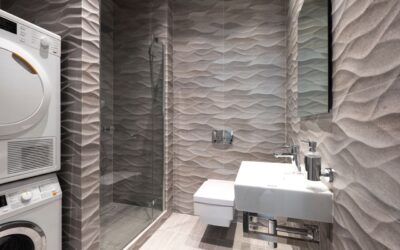
Combination washer-dryers can handle a full wash-and-dry cycle in a single drum that takes up roughly half the footprint of a stacked pair, which is why they have surged in popularity for apartments, condos, and tight laundry closets. A Whirlpool all in one washer dryer brings that space-saving convenience from a trusted American appliance name. This guide explains how these combo units work, where they shine, their trade-offs, and how to keep one running well.
How an All-in-One Washer Dryer Works
A combination unit performs both washing and drying in the same drum, so you load dirty laundry, select a cycle, and return to clean, dry clothes without transferring a load between machines. The washing phase works like any front-load washer, tumbling clothes through water and detergent. The drying phase is where combo units differ from a traditional dryer. Many use a ventless condensation system that heats air, circulates it through the clothes, then cools the moist air to condense water out and drain it away. This means many models need no external dryer vent, a major advantage in homes without ductwork.
Vented Versus Ventless Drying
Understanding the drying method matters when choosing and installing a combo unit.
- Ventless condensation: Removes moisture by condensing it into water that drains away. No vent to the outside is required, making installation flexible. Drying tends to be gentler but slower.
- Heat pump ventless: A more energy-efficient version that recycles heat, using less electricity though often at a higher purchase price.
- Vented combo: Less common, these still require an exterior vent like a standard dryer and are limited to homes with ducting.
The ventless designs are the main reason buyers choose a combo unit for spaces where a vented dryer is impossible.
Key Benefits of a Combo Unit
All-in-one machines solve specific problems that make them ideal for certain homes.
- Space savings: One machine replaces two, freeing up valuable square footage in small homes.
- No vent required: Ventless models install almost anywhere with water, drainage, and power.
- Set-and-forget convenience: Start a load and walk away; no need to be home to move laundry between machines.
- Energy and water efficiency: Front-load washing uses less water, and many models carry strong efficiency ratings.
- Ideal for renters: Some compact units connect to a standard outlet and a sink, suiting apartments without dedicated hookups.
The Trade-Offs to Consider
Combo units are not perfect for every household, and it is important to know the limitations before buying.
- Smaller capacity: The shared drum holds less than a full-size dryer, so large families may run more loads.
- Longer cycle times: A combined wash-and-dry cycle can take significantly longer than separate machines, especially with ventless drying.
- One load at a time: You cannot wash a second load while the first dries, which slows laundry day for big households.
- Drying capacity is lower than wash capacity: You often cannot dry the full amount you washed in one go, sometimes requiring you to split a large wash before drying.
Who Should Buy One
A combo washer-dryer makes the most sense for specific situations. Apartment and condo dwellers without space for two machines benefit most. Homes without an exterior dryer vent gain a drying solution they could not otherwise have. Singles, couples, and small households that run modest loads will rarely feel the capacity limit. Owners of vacation homes, tiny houses, and ADUs appreciate the compact footprint. By contrast, a large family doing many loads a day is usually better served by a separate full-size washer and dryer.
Installation Requirements
Setting up a combo unit is generally simpler than installing a vented dryer, but you still need a few essentials.
- A cold water supply connection, and a hot connection if the model uses it.
- A drain for both the wash water and, on ventless models, the condensed drying water.
- A properly grounded electrical outlet matching the model’s voltage requirement.
- A level floor, since front-load drums must be balanced to spin without excessive vibration.
- Adequate clearance around the unit for airflow, especially with ventless drying that releases some warmth and humidity into the room.
Always check the specific model’s manual for its exact electrical and plumbing needs before installation.
Tips for Best Results
Combo units reward good habits with better performance and faster drying.
- Do not overload the drum; smaller loads dry faster and more evenly in a combo unit.
- Use the recommended high-efficiency detergent in the correct, modest amount to avoid excess suds.
- Separate heavy items like towels from light fabrics, since dense loads extend drying time.
- Run an occasional drum-clean cycle to prevent odor and residue buildup in the sealed drum.
- Leave the door ajar between uses so the drum dries out and stays fresh.
Maintenance and Care
Regular upkeep keeps a combo unit reliable for years. Clean the drain pump filter periodically to catch lint and small objects, since combo units lack a traditional lint trap and rely on the filter and drain system to remove fibers. Wipe the door gasket and glass after loads to prevent mildew in the rubber seal, a common front-loader issue. Check and clean the water inlet screens if filling slows. Run a monthly cleaning cycle with an appropriate washer cleaner to keep the drum and condensation system clear. Following the manual’s maintenance schedule protects both the wash and dry functions.
What to Expect to Spend
In the US market, combination washer-dryer units generally range from several hundred dollars for compact, basic models to well over a thousand dollars for larger, heat-pump, or feature-rich machines. Factor in the long-term savings of a ventless installation, which avoids the cost of cutting and running ductwork. Weigh the convenience and space savings against the slower cycles and smaller capacity to decide whether a combo fits your household rhythm.
Final Thoughts
A Whirlpool all in one washer dryer packs both laundry steps into a single, space-saving machine that is ideal for apartments, small homes, and any space without a dryer vent. The trade-offs are smaller capacity and longer cycles, so the unit suits modest-load households far better than large families. Keep the drum from being overloaded, clean the drain filter and door seal regularly, and the machine will deliver clean, dry laundry from one compact appliance. At D and G Flooring we help homeowners make the most of every square foot, and a well-chosen combo washer-dryer is a smart way to reclaim space without giving up the convenience of doing laundry at home.