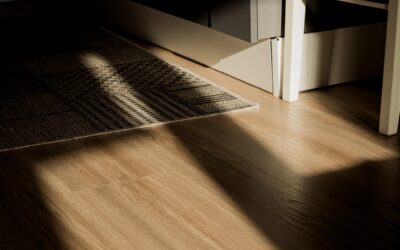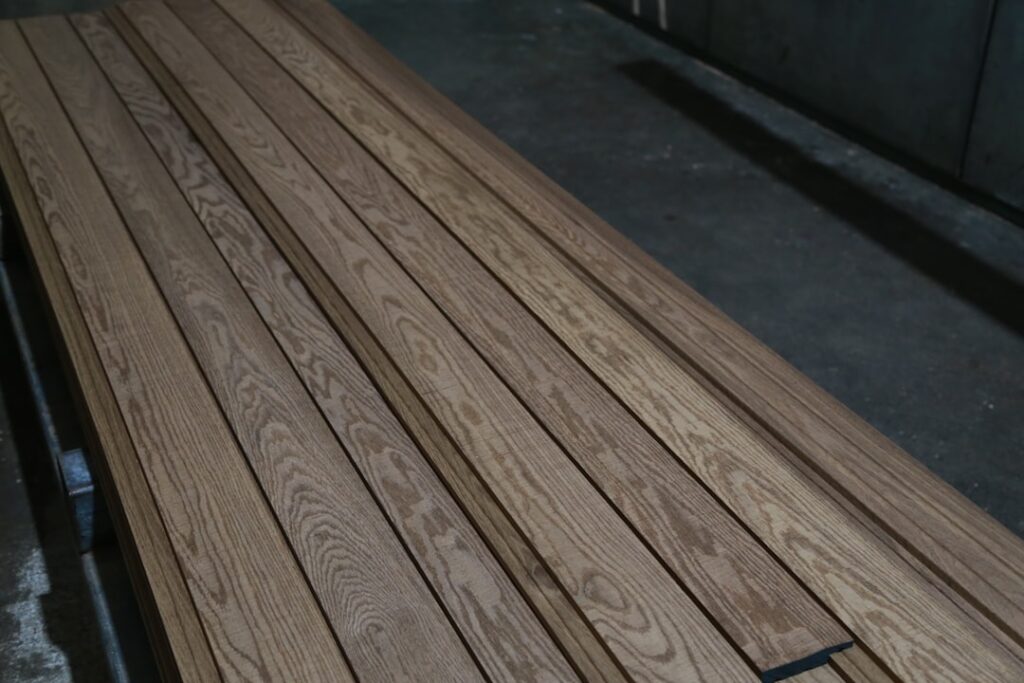
Understanding the different types of vinyl flooring is essential when shopping for new floors. The vinyl flooring category has expanded dramatically in recent years, and what was once a single product type now encompasses a diverse family of materials with very different characteristics, price points, and applications.
This guide breaks down every major type of vinyl flooring available in 2026, comparing their construction, performance, best uses, and costs so you can make a confident decision for your home or commercial space.
Overview of Vinyl Flooring Types
Vinyl flooring is a synthetic floor covering made primarily from polyvinyl chloride (PVC). All vinyl flooring shares the benefits of water resistance, easy maintenance, and affordability, but the various types differ significantly in thickness, rigidity, installation method, and durability. The main types include sheet vinyl, vinyl composition tile (VCT), luxury vinyl tile (LVT), luxury vinyl plank (LVP), SPC (stone polymer composite), and WPC (wood polymer composite).
Sheet Vinyl Flooring
What It Is
Sheet vinyl is the original vinyl flooring format, sold in large rolls typically 6 or 12 feet wide. It is a flexible, thin product that is rolled out and cut to fit the room, then secured with adhesive or loose-laid with perimeter adhesive. Sheet vinyl provides a seamless or near-seamless floor that excels at moisture resistance.
Construction
Sheet vinyl consists of a fiberglass or felt backing layer, a printed design layer with photographic imagery, and a clear wear layer on top. Total thickness ranges from approximately 0.5mm for budget products to 4mm for premium options. The thin, flexible construction allows it to conform to minor subfloor irregularities.
Best Uses
Sheet vinyl excels in bathrooms, kitchens, laundry rooms, and basements where minimal seams mean maximum moisture protection. It is also a popular choice for rental properties and budget renovations. The seamless installation makes it particularly effective in waterproof flooring applications.
Cost
Sheet vinyl is one of the most affordable flooring options, ranging from $0.50 to $4 per square foot for materials. Professional installation adds $1 to $3 per square foot. It is often the least expensive type of vinyl flooring per square foot.
Vinyl Composition Tile (VCT)
What It Is
VCT is a commercial-grade vinyl tile product made from a mixture of PVC, limestone filler, and color pigments compressed into rigid tiles, typically 12×12 inches. It is the classic commercial floor you see in schools, hospitals, and retail stores.
Construction
VCT is a solid, through-body product where the color extends throughout the entire thickness. This means scratches and wear do not reveal a different-colored layer underneath. Standard thickness is 1/8 inch (3.2mm). The tiles are installed with adhesive and require regular waxing and buffing to maintain their appearance.
Best Uses
VCT is best suited for commercial environments with heavy foot traffic and dedicated maintenance teams. It is rarely used in residential settings due to its high-maintenance requirements, but it offers excellent durability and value in institutional applications.
Cost
VCT materials cost $1 to $4 per square foot, with installation running $2 to $5 per square foot. However, ongoing waxing and maintenance costs should be factored into the long-term budget.
Luxury Vinyl Tile (LVT)
What It Is
LVT is a premium vinyl product designed to realistically replicate natural stone, ceramic tile, and decorative patterns. Available in square or rectangular tile formats, LVT features high-definition photographic imagery and textured surfaces that closely mimic the materials they imitate.
Construction
LVT typically consists of multiple layers including a backing layer, a flexible core, a photographic design layer, and a clear urethane wear layer. Total thickness ranges from 2mm to 5mm. LVT is available in both glue-down and click-lock floating formats, giving you installation flexibility.
Best Uses
LVT works beautifully in kitchens, bathrooms, entryways, and any room where you want the look of tile or natural stone without the cost, weight, and cold feel. The tile format is ideal for creating decorative patterns and designs that are not possible with plank products.
Cost
LVT materials range from $2 to $7 per square foot. Click-lock versions tend to cost more than glue-down options. Professional installation costs $2 to $5 per square foot.
Luxury Vinyl Plank (LVP)
What It Is
Luxury vinyl plank is the most popular type of vinyl flooring in residential settings. LVP comes in long, narrow planks that replicate the look of hardwood flooring, complete with realistic wood grain textures, knots, and color variations. The plank format creates the visual impression of a traditional wood floor.
Construction
LVP shares the same multi-layer construction as LVT but uses a flexible core that allows the planks to conform slightly to the subfloor. Standard plank dimensions are approximately 6 to 9 inches wide and 36 to 60 inches long. Thickness ranges from 2mm (glue-down) to 8mm (click-lock with padding).
Best Uses
LVP is suitable for virtually every room in the home, from basements to bedrooms. It is particularly popular in open-concept floor plans where a continuous wood-look floor flows through multiple rooms. LVP provides the aesthetic of hardwood with superior water and scratch resistance.
Cost
LVP costs $2 to $7 per square foot for materials. Premium products with thicker wear layers and enhanced textures can reach $8 to $10 per square foot. Installation costs $2 to $4 per square foot for click-lock products and $3 to $5 for glue-down versions.
SPC (Stone Polymer Composite) Flooring
What It Is
SPC flooring represents the newest evolution in vinyl flooring technology. It features an extremely dense, rigid core made from a combination of limestone powder and PVC. This rigid core gives SPC flooring dimensional stability and impact resistance that traditional vinyl cannot match.
Construction
SPC flooring has a multi-layer construction including a backing layer (often with attached underlayment), the dense stone-polymer core, a photographic design layer, and a heavy-duty wear layer. Total thickness ranges from 4mm to 8mm. The rigid core means SPC will not flex or conform to subfloor imperfections, which can be both an advantage and a limitation.
Best Uses
SPC flooring excels in high-traffic commercial and residential areas, rooms with significant temperature fluctuations, and any application where dimensional stability is critical. It handles direct sunlight exposure better than other vinyl types, making it ideal for sunrooms and rooms with large windows. SPC is also a top choice for installations over concrete subfloors.
Cost
SPC flooring costs $3 to $8 per square foot for materials, with premium products reaching $10 or more. Installation costs $2 to $4 per square foot for the click-lock format that most SPC products use.
WPC (Wood Polymer Composite) Flooring
What It Is
WPC flooring uses a core made from wood flour (or wood dust) and PVC, creating a material that is lighter and more cushioned than SPC. WPC was the predecessor to SPC in the rigid-core vinyl category and remains popular for its comfort and sound-dampening qualities.
Construction
WPC features a foamed wood-polymer core that provides built-in cushioning and sound absorption. The overall construction mirrors SPC with design and wear layers on top, but the core material creates a noticeably different feel underfoot. WPC is typically thicker than SPC, ranging from 5.5mm to 8mm.
Best Uses
WPC is an excellent choice for bedrooms, living rooms, and any space where comfort underfoot is a priority. Its superior sound dampening makes it ideal for upper-floor installations in multi-story homes. WPC is fully waterproof but less dimensionally stable than SPC in extreme temperatures.
Cost
WPC flooring ranges from $3 to $8 per square foot for materials. It is generally priced similarly to SPC, though availability has decreased somewhat as SPC has gained market share.
Comparing All Types of Vinyl Flooring
Durability
SPC and VCT lead in durability for different reasons. SPC offers the best impact and dent resistance in residential settings, while VCT provides decades of service in commercial environments. LVP and LVT fall in the middle, with performance largely dependent on wear layer thickness. Sheet vinyl is the least durable due to its thin construction.
Water Resistance
All types of vinyl flooring resist water on the surface. Sheet vinyl offers the best overall moisture protection due to its minimal seams. SPC and click-lock LVP/LVT provide waterproof performance when seams are properly engaged. WPC cores can swell if submerged for extended periods despite being marketed as waterproof.
Comfort
WPC flooring is the most comfortable type of vinyl flooring thanks to its cushioned core. LVP with attached padding comes next, followed by LVT and sheet vinyl. SPC and VCT are the firmest options, feeling most similar to ceramic tile underfoot.
Appearance
LVP and LVT offer the most realistic visuals, with high-definition printing and embossed-in-register textures that closely match real wood and stone. SPC products have improved rapidly and now rival LVP in visual quality. Sheet vinyl and VCT offer more limited design options.
How to Choose the Right Type
For most residential installations, LVP or SPC flooring provides the best balance of performance, appearance, and value. Choose LVP for comfort and budget, SPC for durability and dimensional stability. Sheet vinyl remains the best choice for seamless bathroom and laundry room floors. LVT is ideal when you want a tile look without the coldness and hardness of ceramic.
Consider your specific needs: traffic levels, moisture exposure, subfloor conditions, and budget. Match these requirements to the strengths of each vinyl type, and you will find the perfect fit for every room in your home.
Final Thoughts
The types of vinyl flooring available today offer something for virtually every application and budget. From economical sheet vinyl to high-performance SPC, the vinyl flooring family covers an impressive range of needs. Understanding the differences between these products allows you to choose with confidence, ensuring your new floor delivers the performance, appearance, and longevity you expect.
As vinyl flooring technology continues to advance, the gap between these products and traditional materials like hardwood and stone continues to narrow in appearance while the practical advantages of vinyl remain clear.
Prefer to explore on your own?
See how new flooring looks in your actual room in seconds — free, no signup.
Try the free Floor Studio →