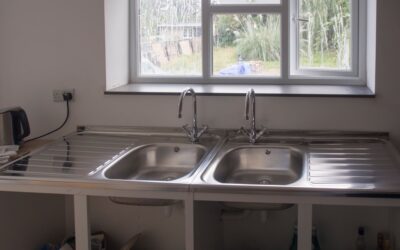
A slow-draining sink is one of those problems that always seems to show up the night before guests arrive. Reaching for a bottle of Drano feels fast, but the lye-based formulas can pit chrome traps, soften old PVC cement joints, and leave caustic residue that splashes back when you finally pull the trap apart. Learning to unclog sink with baking soda takes about 20 minutes, costs under $2, and works on roughly 80 percent of household clogs without sending lye down through your plumbing. This guide walks through the chemistry, the exact steps, and the situations where you should skip straight to mechanical removal.
Why Baking Soda Works on Common Clogs
Most kitchen and bathroom sink clogs are organic: hair, soap scum, congealed grease, food particles, and a film of biological gunk that builds up on the inside of the trap. Baking soda (sodium bicarbonate) is mildly alkaline, with a pH around 8.3, which softens grease and lifts oily residue off the pipe walls.
When you follow it with white vinegar (acetic acid, pH 2.5), the two react and release carbon dioxide gas. The fizzing action mechanically agitates the clog while the heat and pH shift help break up the binder that holds the debris together. It is not aggressive enough to dissolve hair on its own, but combined with hot water and a bit of physical agitation, it clears most slow drains.
What You Need Before You Start
Stop and gather everything first. Walking back to the pantry mid-process kills the momentum of the chemical reaction.
- 1 cup baking soda (Arm and Hammer 1 lb box, $1.29)
- 1 cup white vinegar (Heinz distilled, $2.49 per gallon)
- 1 kettle or large pot of boiling water (about 2 quarts)
- 1/2 cup table salt (optional, for grease-heavy kitchen drains)
- A rag or rubber stopper to seal the overflow opening
- Rubber gloves and safety glasses
Do not use apple cider or balsamic vinegar. The sugars feed the same bacteria that caused the clog. White distilled vinegar is the only one that works.
Step One: Clear Standing Water
If the sink is full of water, bail it out with a cup until the drain opening is exposed. The reaction needs to happen in the pipe, not in 4 inches of dishwater. For bathroom sinks, pull out the pop-up stopper. The hair wad attached to it is often the entire clog, and a single tug with needle-nose pliers solves the problem before you ever reach for the baking soda.
Wipe the drain opening clean. Any visible gunk on the strainer goes in the trash, not back into the pipe. A 30-second cleanup at this stage doubles the chance the next steps work on the first try.
Step Two: Pour Boiling Water First
Boil 2 quarts of water and pour it slowly down the drain in two stages, with a 30-second pause between. The heat softens grease and starts to loosen the clog. For PVC pipes (most homes built after 1980), use boiling water sparingly, the rated temperature for Schedule 40 PVC is 140 degrees F sustained. A short flush of boiling water is fine, but do not let it sit pooled against the trap.
If the water drains away normally after this step, the clog was just a film of grease and you are done. Move to the prevention section. If it still backs up, continue with the baking soda treatment.
Step Three: The Baking Soda and Vinegar Treatment
Pour 1 cup of baking soda directly down the drain. Use a chopstick or the handle of a wooden spoon to push any that piles on the strainer down into the pipe. Immediately pour 1 cup of white vinegar on top. You will hear a vigorous fizzing within seconds.
Cover the drain with a wet rag or a rubber stopper to force the gas down rather than back up. For bathroom sinks, also plug the overflow hole with a wet washcloth, otherwise the reaction vents up through that opening and loses its punch. Let the mixture work for 15 to 20 minutes. Use a timer, this is the step everyone shortcuts and then wonders why it did not work.
Step Four: Flush with Hot Water
After the wait, run the hot tap on full for 60 seconds. If the drain still moves slowly, repeat the entire baking soda and vinegar cycle one more time. Two rounds is the practical limit. Beyond that, you are dealing with a physical blockage that chemistry alone will not move.
For kitchen sinks with heavy grease buildup, add 1/2 cup of table salt to the baking soda before pouring. The salt acts as an abrasive scour and helps cut through congealed cooking oil that pure baking soda just softens.
When to Skip the Baking Soda and Pull the Trap
If you have tried two cycles and the sink still backs up, the clog is downstream of the trap or the trap itself is packed solid. Place a bucket under the P-trap, unscrew the two slip nuts by hand or with channel-lock pliers, and dump the contents. A bent wire coat hanger or a 25-foot drum auger ($30 at any hardware store) clears the next 10 feet of branch line.
Also skip baking soda if you have already poured commercial drain cleaner down the drain. Mixing the residual lye with vinegar can produce splashing and irritating fumes. Wait at least 24 hours and flush with plain water before trying any DIY method.
Prevention Beats Repeat Treatment
Once the drain runs clear, keep it that way with a once-a-month maintenance dose: 1/2 cup baking soda followed by 1/2 cup vinegar, left for 10 minutes, then a hot water flush. Keep grease out of the kitchen drain by pouring it into a coffee can and tossing it with the trash. Use a $5 Tubshroom or hair catcher in bathroom sinks. The few minutes of routine prevention save hours of repair work and keep the unclog sink with baking soda method as a maintenance tool rather than an emergency one.