Builder-grade white plastic switch plates are the cheapest, most forgettable thing on your walls — and swapping them is one of the lowest-cost ways to add personality to a room. Unique light switch covers come in hammered metal, carved wood, hand-painted ceramic, and screwless designer plates, and most cost between three and thirty dollars. Change one out and it takes five minutes with a single screwdriver.
- Why Switch Plates Are Worth Upgrading
- Materials and Styles
- Get the Configuration Right
- Costs
- Safety First — Even for a Cover Swap
- How to Swap a Standard Screwed Plate
- Installing a Screwless (Snap-On) Plate
- Measuring Before You Buy
- Rooms Where Upgraded Covers Pay Off Most
- Cleaning and Long-Term Care
- Fitting Problems and Fixes
- Design Tips
This guide covers the materials worth considering, the sizing standards you must match, and the safe way to make the swap — because even though you are only touching the cover, your fingers are inches from live wiring.
Why Switch Plates Are Worth Upgrading
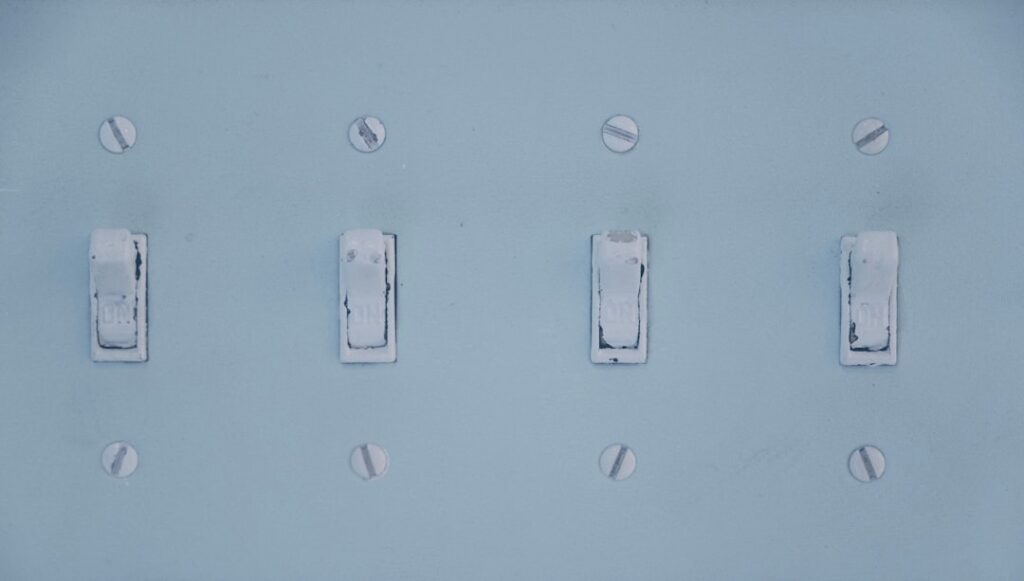
A switch plate sits at eye and hand level near every doorway, so it gets noticed and touched constantly. Yellowed, cracked, or paint-crusted plates cheapen an otherwise nice room. For the price of a coffee, a metal or wood plate signals that someone paid attention to detail. In a rental, they are a reversible upgrade you can take with you.
Materials and Styles
- Metal (brass, bronze, brushed nickel, matte black): Durable, easy to clean, coordinates with door hardware and cabinet pulls. Hammered and antique finishes add texture.
- Wood: Oak, walnut, or painted MDF for craftsman and rustic rooms. Warm and quiet-looking.
- Ceramic and porcelain: Hand-painted florals, tiles, and glazed patterns — great in kitchens and baths.
- Screwless / snap-on: A subplate mounts to the box and a clean cover snaps over it, hiding all screws for a seamless modern look.
- Glass and acrylic: Mirrored, frosted, or printed designs.
- Novelty and vintage: Reclaimed license plates, comic panels, resin art — good for a kid’s room or a bar.
Get the Configuration Right
This is the part people skip, then order the wrong plate. Match three things:
- Device type: Toggle switch, rocker/decora, outlet (duplex), or a blank. A decora rocker needs a rectangular opening; a toggle needs the classic keyhole slot.
- Number of gangs: Count the devices in the box — 1-gang (single), 2-gang, 3-gang, and so on. A triple switch needs a 3-gang plate.
- Size (standard vs. oversized): Standard single-gang plates are about 2.75 in. x 4.5 in. Oversized/jumbo plates (~3.13 in. x 4.88 in.) hide paint lines and drywall gouges around the box — worth it on older walls.
Mixed configurations exist too — a “combo” plate with a rocker beside an outlet, for instance. Note the exact layout before buying.
Costs
- Basic decorative metal or wood: $4–$12 per plate.
- Screwless designer plates: $8–$20.
- Hand-painted ceramic: $12–$30.
- Solid brass or artisan pieces: $20–$50+.
Doing a whole house? Buy in bulk packs and keep the finish consistent room to room, or deliberately accent one focal wall.
Safety First — Even for a Cover Swap
Replacing just the plate does not require touching wires, but you are working right at a live device. Take these precautions:
- Shut off the breaker for that circuit at the panel before you start. It costs you nothing and removes all risk.
- Verify de-energized with a tested non-contact voltage tester — hold it to the switch and the wires to confirm no voltage before your screwdriver goes near the device.
- If the existing screws are painted over, the plate may be crusted to the wall; score the paint line with a utility knife first so it comes off clean.
- Never let the metal screwdriver or a metal plate contact the device terminals while power is on.
How to Swap a Standard Screwed Plate
- Kill the breaker and verify with your non-contact tester.
- Remove the two screws holding the old plate and lift it off.
- Check the device position. The switch or outlet should sit flush and centered in the opening. If it is recessed too deep because of a thick tile or paneling, add box extenders or spacers so the new plate lands flat.
- Line up the new plate over the device. If the new plate’s screws differ, use the ones that came with it.
- Snug the screws — firm, not cranked. Overtightening cracks ceramic and warps thin metal.
- Restore power and test the switch.
Installing a Screwless (Snap-On) Plate
- Turn off the breaker and verify de-energized.
- Mount the included subplate to the device or box with its screws.
- Snap the decorative cover onto the subplate’s clips until it seats flush.
- Restore power. To remove later, gently pry at the edge with a plastic tool.
Screwless plates give the cleanest look and forgive a slightly crooked device, since the cover self-centers on the subplate.
Measuring Before You Buy
The single most common reason a decorative plate does not fit is that someone eyeballed it. Take five minutes with a tape measure. Confirm the device type by looking at the existing plate opening: a rectangular window means a rocker/decora, a keyhole slot means a toggle, and two round-cornered slots side by side means a duplex outlet. Count the gangs — the number of devices ganged into one box — because a two-switch box needs a two-gang plate. Then measure the plate itself: a standard single-gang is roughly 2.75 by 4.5 inches, while a jumbo/oversized runs about 3.13 by 4.88 inches. If your walls are older and show paint outlines or drywall gouges around the box, buy oversized on purpose so the larger plate hides the mess.
Rooms Where Upgraded Covers Pay Off Most
Some rooms reward a switch-plate upgrade more than others. In an entryway or hallway, plates sit at eye level right where guests pass, so a brass or matte-black cover reads immediately. In a kitchen or bath, hand-painted ceramic or a finish that matches the cabinet pulls ties the room together. A kid’s room or playroom is the place for the loud novelty covers you would never put in a formal space. And in any older home, swapping every yellowed builder plate for consistent oversized covers is one of the cheapest ways to make the whole house feel maintained. Prioritize the spots people see and touch daily, then work outward to closets and utility areas.
Cleaning and Long-Term Care
Different materials want different care. Wipe metal plates with mild soap and water and dry them to avoid water spots; skip abrasive pads that scratch a brushed or antiqued finish. Ceramic and porcelain clean easily but crack if you overtighten the screws, so snug them just until the plate is firm and use the rubber washers if the set includes them. Wood plates should stay out of steamy bathrooms unless sealed, since raw wood swells with humidity. Unlacquered brass will darken and patina over time — embrace it or polish it periodically, but do not expect it to stay bright. Whatever the material, never spray cleaner directly onto a plate around a live switch; dampen a cloth instead so no liquid runs into the box.
Fitting Problems and Fixes
- Plate rocks or won’t sit flush: The device is proud or recessed; adjust the mounting screws on the device or add a box extender.
- Gaps around the plate: Switch to an oversized plate to cover the drywall opening and any paint outline.
- Screw holes don’t align: You bought the wrong device type — confirm toggle vs. rocker vs. outlet.
- Ceramic cracked while tightening: Use rubber washers under the screw heads and stop as soon as it is snug.
Design Tips
- Match plate finish to nearby door hardware and cabinet pulls for a pulled-together look.
- Use oversized plates throughout an older home to hide decades of paint buildup around boxes.
- In a room with many plates, keep them all one style so the eye is not pulled around.
- Save the loud novelty covers for low-stakes rooms — a playroom, a garage, a home bar.
Unique light switch covers are the definition of high-impact, low-cost — a few dollars and five minutes per plate transforms a builder-grade wall. Match the device type, gang count, and size before you buy, kill the breaker and verify it is dead before you unscrew anything, and you can refresh every switch in the house in an afternoon.