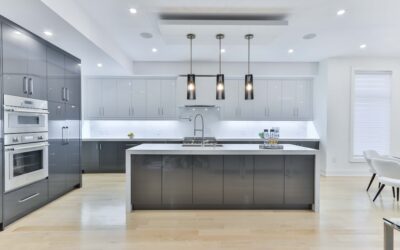
The upper corner cabinet is where kitchen storage goes to die. Reach in past the first row and you are elbow-deep in a dark cavity, groping for a serving bowl you last saw a year ago. The right upper kitchen cabinet corner shelf fixes that, turning wasted vertical corner space into shelving you can actually see and use. From rotating carousels to open display shelves, there is a solution for every layout and budget.
Part of our Kitchen Remodeling guide — explore the full guide →
Why Corner Cabinets Waste Space
The problem is geometry. When two runs of upper cabinets meet at a corner, the interior forms an L-shaped or blind cavity that is deep, dark, and hard to reach. The back corner sits well beyond arm’s length, so anything stored there becomes effectively lost. Standard fixed shelves make it worse by forcing you to unload the front row to reach the back.
Upper corners compound the issue with height. Unlike a base cabinet where you can crouch and look in, an upper corner is above eye level, so you cannot even see what is back there without a step stool.
Rotating Corner Shelves
The classic answer is a lazy Susan, a rotating shelf that spins items around to the front. In an upper corner cabinet, a two-tier carousel brings the entire contents within reach with a spin, no more excavating the back row.
- Full-round Susan: A complete circular shelf for a true corner cabinet with a diagonal door
- Kidney-shaped (D-shaped) Susan: Fits blind corners with a bite taken out for the cabinet frame
- Pie-cut Susan: Two three-quarter shelves attached to bifold doors, rotating as a unit
Rotating shelves cost $30 to $150 depending on material and size. Wood and metal versions look and hold up better than plastic, which can sag under heavy dishware over time.
Diagonal Corner Cabinets
If you are remodeling or ordering new cabinets, a diagonal corner cabinet is often the cleanest solution. Instead of two cabinets meeting at a blind corner, a single angled cabinet faces the corner directly with a door on the diagonal, giving you straight-on access to deep, usable shelves.
These maximize the corner’s volume and pair perfectly with a lazy Susan inside. The tradeoff is that they consume more counter or wall footprint and cost more than standard boxes, so they make the most sense in a full remodel rather than a retrofit.
Open Corner Shelving
Not every corner needs a closed cabinet. Open shelving in the upper corner has become a popular design choice, trading some enclosed storage for a lighter, more open feel and easy display access.
Floating corner shelves or a stepped corner shelf unit put everyday dishes, mugs, and glassware right at hand with zero digging. They also make a small kitchen feel larger by breaking up a solid wall of cabinet doors. The downside is dust and the need to keep displayed items looking tidy, since everything is visible.
Pull-Out and Swing-Out Options
For blind upper corners where a Susan will not fit, swing-out and pull-out mechanisms bring the contents to you, similar to base-cabinet magic corners scaled for uppers. These articulated shelves pivot out through the door opening so the back of the cabinet comes forward into the light.
They cost more than a simple carousel, typically $80 to $250, but they extract usable storage from awkward blind corners that no rotating shelf can serve. For a corner you use daily, the convenience justifies the price.
DIY Corner Shelf Solutions
You do not always need to buy specialized hardware. A few low-cost tricks improve an upper corner dramatically.
- Add a wire helper shelf that stacks a second level in the tall dead space above the fixed shelf.
- Install a small turntable or plastic lazy Susan on the existing shelf, an $15 fix that ends the back-row problem.
- Use clear bins with handles so you can pull the whole group forward rather than reaching for individual items.
- Store lightweight, seldom-used items like extra glassware in the deepest corner and keep daily items up front.
Even a $15 turntable transforms how usable an upper corner feels, no tools or installation required.
Matching the Solution to Your Kitchen
Choose based on your cabinet type and how much you are willing to invest. A blind corner suits a D-shaped Susan or a swing-out unit, a diagonal cabinet takes a full-round carousel, and a design-forward kitchen might drop the corner cabinet entirely in favor of open shelves. Renters and budget-minded homeowners can get most of the benefit from a simple drop-in turntable.
Weight and Load Considerations
Upper corner storage carries a real risk that base cabinets do not, everything up there is over your head. Keep heavy stoneware and appliances in lower cabinets or base corners, and reserve upper corners for lighter items like plastic storage, extra glassware, or seasonal serveware. A rotating shelf loaded with cast iron is both hard to spin and dangerous if a shelf gives way.
Check the weight rating of any carousel or swing-out mechanism before loading it. Plastic lazy Susans in particular have modest limits and can crack under a stack of heavy plates. When in doubt, distribute weight evenly around the shelf and keep the heaviest items low.
Making the Most of Vertical Space
Upper corners often have significant unused height between shelves. A wire helper shelf or a set of stackable risers doubles your usable levels, letting you store two tiers of items where one sat before. This simple trick can nearly double a corner’s capacity for just a few dollars.
Reclaiming Your Corner
An awkward corner does not have to be dead storage. The right upper kitchen cabinet corner shelf, whether a rotating carousel, a swing-out unit, or open display shelving, turns the least usable spot in your kitchen into space you reach for every day. Match the solution to your cabinet layout and budget, and you will wonder why you ever tolerated digging blindly into that dark corner in the first place.