Veterans and service members often hear that a VA loan comes with a strict inspection, then learn that the program never actually requires a home inspection at all. What the program does require is a VA appraisal, and the appraiser checks the house against a set of minimum property requirements. Those standards are the real VA loan inspection criteria: the home has to be safe, structurally sound and sanitary, with working systems and no conditions that threaten the health of the people living there or the value of the property.
Separate from the appraisal, some locations or property types also trigger specific checks, such as a wood-destroying insect inspection, well water testing or a septic evaluation. A private home inspection is optional but strongly recommended. The requirements are set by the VA program and can change, and lenders sometimes add their own conditions, so confirm the current rules for your purchase with your lender or the VA appraiser assigned to the property.
- How VA Loan Inspection Criteria Are Applied
- Minimum Property Requirements: What Gets Checked
- Appraisal vs Optional Home Inspection
- VA Home Loan Required Inspections by Region and Property
- Typical Repair Items Flagged
- Preparing a House for a VA Appraisal
- Lead Paint and Asbestos Safety for Repairs
- How Repairs Are Completed and Verified
- When to Call a Pro
- Frequently Asked Questions
How VA Loan Inspection Criteria Are Applied
After your offer is accepted, the lender orders an appraisal through the VA’s system, and a VA-approved appraiser visits the property. The appraiser estimates market value and reviews the home against the minimum property requirements, often shortened to MPRs. When a condition falls short, the appraiser lists it as a required repair or requests a further inspection by a qualified specialist. Those items generally have to be resolved and verified before the loan can close.
The appraiser is not looking for perfection. Dated kitchens, worn floors and small cosmetic flaws usually pass. The focus is on conditions that affect safety, soundness and sanitation, such as a leaking roof, an inoperable furnace, exposed wiring or a failing septic system.
Minimum Property Requirements: What Gets Checked
These are the categories most often reviewed during a VA appraisal.
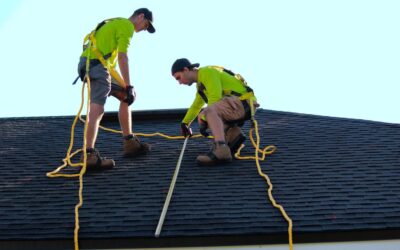
- Roof: should prevent moisture from entering and have reasonable remaining life. Active leaks, missing shingles and badly deteriorated coverings are flagged.
- Heating: the home needs a permanent heat source adequate to keep living areas at a healthy temperature and protect plumbing from freezing.
- Water supply: safe and adequate potable water, with hot water available, and plumbing that does not leak.
- Sewage disposal: connection to public sewer where available, or a properly functioning private septic system.
- Electrical: safe service and wiring, with no exposed or frayed conductors, open boxes or obvious overloads.
- Structure: no significant foundation movement, rot, sagging framing or other defects that threaten soundness.
- Crawlspace and attic: accessible, adequately ventilated, and free of standing water or debris.
- Defective paint: peeling or chipping paint, particularly on homes built before 1978.
- Site hazards: drainage away from the house, safe access by road or driveway, and no obvious environmental or physical hazards on the lot.
Appraisal vs Optional Home Inspection
The VA appraisal protects the lender and the VA guaranty. It is not designed to catch everything wrong with a house. A licensed home inspector, hired by you, goes much deeper: the electrical panel is opened, outlets and GFCI protection are tested, appliances are run, attic insulation and ventilation are measured, and plumbing is checked fixture by fixture. The inspection report often runs dozens of pages, while the appraisal may mention a handful of conditions.
VA buyers sign a form acknowledging that the appraisal is not a substitute for an inspection. Paying a few hundred dollars for an independent inspector is one of the best protections you have, and the findings can support a repair request or price negotiation during your inspection period.
VA Home Loan Required Inspections by Region and Property
Beyond the appraisal, certain VA home loan required inspections depend on where the house sits and how it is served.
Wood-Destroying Insect Inspection
In many states and counties with heavy termite activity, the VA requires a wood-destroying insect report. The inspector checks for active infestation and prior damage. If termites are found, treatment and repair of any structural damage are generally required. Your lender will know whether your area falls under this requirement, and even where it does not, an inspection is worth considering if the house has wood in contact with soil.
Well Water Testing
Homes on private wells usually need a water quality test to confirm the supply is safe to drink, commonly covering bacteria and other contaminants the local health authority specifies. Some lenders also want flow testing. The well should be properly sealed and located at a safe distance from septic components, following local health department rules.
Septic Evaluation
Where the home uses a private septic system, the appraiser may ask for an inspection showing it functions properly. A licensed septic professional typically pumps the tank, checks baffles and the drain field, and notes any surfacing effluent or backups. Never open a septic lid and lean over the tank yourself; the gases inside can overcome a person in minutes.
Other Specialized Checks
Depending on the appraiser’s observations, the VA may require a roof certification, a structural engineer’s evaluation, or a licensed HVAC or electrical review. These are triggered by what the appraiser sees rather than requested routinely.
Typical Repair Items Flagged
The same issues show up again and again on VA required-repair lists:
- Peeling exterior or interior paint on older homes.
- Roof leaks, missing shingles or heavily worn coverings.
- Inoperable heating systems or space heaters used as the only heat source.
- Missing handrails on stairs, rotten steps or unsafe decks.
- Exposed wiring, missing cover plates and open junction boxes.
- Broken windows, damaged doors and missing locks.
- Water heaters without a relief valve discharge line.
- Standing water or debris in crawlspaces, and blocked crawlspace access.
- Termite damage or active infestation in areas requiring a pest report.
Most are inexpensive to correct, from a few dollars in parts to a few hundred dollars in labor. Roofs, heating systems and septic repairs sit at the higher end, potentially costing several thousand dollars.
Preparing a House for a VA Appraisal
Sellers who accept a VA offer can head off most required repairs with a simple pre-appraisal walk. Start outside: look for flaking paint on trim, windows, fascia and outbuildings, loose or missing handrails, rotten deck boards and broken glass. Check that gutters drain away from the foundation and that the crawlspace has no standing water. Inside, make sure every utility is on, the furnace runs, the water heater has a discharge pipe on its relief valve, and every electrical box has a cover. Clear a path to the attic hatch, the crawlspace door, the electrical panel and the water heater so the appraiser does not have to note them as inaccessible.
Buyers benefit from sharing their own inspector’s findings with the seller early. If the inspection turns up items that overlap with VA loan inspection criteria, such as a leaking roof or missing handrail, getting them fixed before the appraisal saves a re-inspection trip and keeps the closing date on track.
Lead Paint and Asbestos Safety for Repairs
Defective paint repairs are common on VA loans, and the work itself can create hazards. Before sanding, scraping or demolishing painted surfaces in a home built before 1978, test the paint for lead. If lead is present, follow lead-safe practices: contain the work area with plastic, mist surfaces instead of dry sanding, avoid heat guns and power sanders, and clean up with a HEPA vacuum and wet wiping. Contractors working on pre-1978 homes generally need lead-safe certification.
Flooring, flooring adhesive, pipe wrap, popcorn ceilings, plaster and joint compound installed before the 1980s may contain asbestos. Have suspect materials tested before cutting, sanding or removing them, and hire a licensed abatement contractor if results are positive.
How Repairs Are Completed and Verified
Once the appraisal lists required repairs, buyer and seller decide how to handle them. The VA does not require the seller to pay, but VA rules limit certain costs the veteran can be charged, so sellers often complete the work. Proof usually takes the form of a re-inspection by the appraiser, contractor invoices, or a specialist’s clearance letter, depending on the item. Weather-related work, such as exterior painting in winter, may be eligible for an escrow arrangement if the lender allows it.
Build time into your contract for repairs and re-inspection. Delays most often come from scheduling the trade, not the repair itself.
When to Call a Pro
Use licensed trades for any roofing, electrical, plumbing, heating, septic or structural repair on a VA list. Many required repairs must be documented with an invoice, and lenders tend to accept work from licensed contractors more readily. Pest treatment should come from a licensed pest control operator who can issue the required report. Keep copies of every permit, invoice and clearance letter in one folder for the lender.
Frequently Asked Questions
Does a VA loan require a home inspection?
No. A VA appraisal is required, but a separate home inspection is optional. Buyers are strongly encouraged to get one because the appraisal is not a full defect review.
Is a termite inspection required for a VA loan?
In many areas with significant termite activity, yes. Your lender can confirm whether the property’s location requires a wood-destroying insect report.
Who pays for VA required repairs?
It is negotiated between buyer and seller. Sellers often handle them, partly because VA rules limit certain fees the veteran can pay.
Are VA requirements stricter than FHA?
Both use minimum property standards focused on safety and soundness, and they overlap heavily. Requirements are set by each program and can change, so confirm with your lender.
What if the house fails the VA appraisal?
The appraiser lists required repairs. Once completed and verified, the loan can move forward. If repairs are not made, the loan typically cannot close as written.