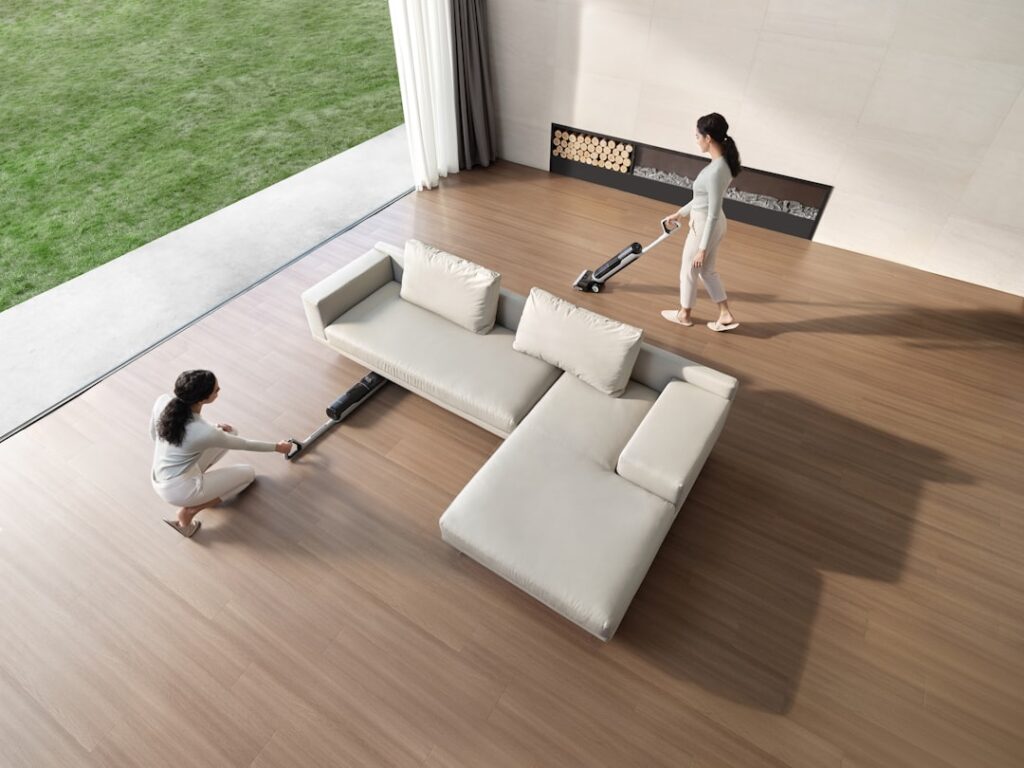
Your hardwood floors are an investment, and the wrong vacuum can damage them faster than foot traffic ever will. The best vacuum cleaner for hardwood floors needs strong suction for dust and debris, soft brush rolls that will not scratch the finish, and easy maneuverability for getting under furniture. Some features protect your investment and some destroy it.
This guide covers the top vacuum brands and models for hardwood, critical features to look for, what to avoid at all costs, and price ranges to fit every budget. We will also compare corded versus cordless and upright versus stick formats so you can find the perfect match for your home.
- What to Look for in a Hardwood Floor Vacuum
- What Scratches Hardwood Floors
- Best Vacuums for Hardwood Floors by Brand
- Corded vs. Cordless: Which Is Better?
- Upright vs. Stick vs. Canister
- Robot Vacuums for Hardwood Floors
- Price Ranges and Budget Options
- Vacuum Maintenance Tips
- Frequently Asked Questions


What to Look for in a Hardwood Floor Vacuum
Not every vacuum is safe for hardwood. The ideal vacuum cleaner for hardwood floors should have these essential features:
Soft roller brush head: This is the most critical feature. A soft roller (sometimes called a fluffy roller or soft-nap brush) picks up fine dust and debris without scratching the wood finish. Brands like Dyson use a velvet-soft cylindrical roller specifically designed for hard floors.
Strong suction with adjustable power: You need enough suction to pull fine dust from between plank seams and textured grain, but not so much that it makes the vacuum hard to push. Adjustable suction lets you dial it down for delicate finished floors and up for textured or matte-finished hardwood.
Rubber wheels: Hard plastic wheels can scratch and dent hardwood over time. Rubber or rubber-coated wheels glide smoothly without leaving marks, even on softer species like pine or fir.
Good edge cleaning: Dust accumulates along baseboards and in corners. A vacuum with effective edge suction or a slim profile that reaches close to walls reduces the need for separate sweeping.
HEPA filtration: Hardwood floors do not trap dust like carpet does, so fine particles become airborne easily. HEPA filtration captures 99.97% of particles 0.3 microns and larger, keeping the air clean while you vacuum.
Lightweight design: Heavier vacuums increase the risk of denting if dropped and are harder to maneuver, especially on smooth surfaces where the vacuum can slide unexpectedly.
What Scratches Hardwood Floors
Understanding what damages hardwood helps you avoid the wrong vacuum cleaner for hardwood floors. Here are the main culprits:
- Stiff bristle brush rolls: Standard beater bars with stiff nylon or plastic bristles designed for carpet will scratch polyurethane finishes and can gouge softer wood species. Always use the hard-floor setting or a dedicated hard-floor head.
- Spinning brush rolls on bare floors: Even moderately stiff bristles cause micro-scratches when spinning at high RPMs directly on the wood surface. Over months, these micro-scratches accumulate into visible dullness.
- Hard plastic wheels: Small, hard caster wheels concentrate weight onto tiny contact points. On softer woods like pine, douglas fir, or bamboo, they leave track marks and dents.
- Trapped debris under the vacuum: Sand, grit, or small stones caught under the vacuum base get dragged across the floor with every pass. This is why regular cleaning of the vacuum underside matters.
- Metal components: Some vacuum attachments have exposed metal edges or rivets that contact the floor during use. Check all floor-touching surfaces for metal before using any attachment on hardwood.
The single most damaging thing we see in the field is homeowners using a carpet-mode beater bar on their hardwood. If your vacuum does not have a dedicated hard-floor mode that disengages or swaps the brush roll, do not use it on hardwood.
Best Vacuums for Hardwood Floors by Brand
These are our top recommendations for a vacuum cleaner for hardwood floors based on performance testing, customer reliability data, and professional experience:
Dyson V15 Detect / V12 Detect Slim:
- Laser dust detection illuminates particles invisible to the naked eye
- Fluffy Optic cleaner head with soft woven nylon roller — ideal for hardwood
- Piezo sensor counts and sizes particles, auto-adjusting suction
- Up to 60 minutes runtime on the V15, 50 minutes on the V12
- Price: $650 to $750 (V15), $500 to $600 (V12)
Shark Detect Pro / Stratos:
- DirtDetect technology senses hidden debris and increases suction automatically
- Soft roller designed specifically for sealed hard floors
- MultiFLEX wand bends for easy under-furniture cleaning
- Self-cleaning brush roll reduces hair wrap maintenance
- Price: $350 to $500
Miele Triflex HX2 / Complete C3:
- Parquet Twister floorhead with natural bristles for gentle, thorough cleaning
- Three-in-one modular design (stick, handheld, compact) on the Triflex
- German engineering with exceptional build quality and longevity
- HEPA AirClean filter sealed system
- Price: $600 to $900 (Triflex), $800 to $1,200 (Complete C3 canister)
Tineco Floor One S7 Pro (wet/dry):
- Vacuums and mops simultaneously with separate clean and dirty water tanks
- Soft brush roller with continuous self-cleaning function
- iLoop Smart Sensor adjusts suction based on mess level
- Edge cleaning reaches within 1mm of baseboards
- Price: $450 to $600
LG CordZero A9 Kompressor:
- Kompressor technology compresses dust in the bin for more capacity between empties
- Power carpet nozzle and hard floor nozzle included — swap based on surface
- Two removable batteries for up to 120 minutes combined runtime
- Lightweight at under 6 pounds
- Price: $500 to $700
Corded vs. Cordless: Which Is Better?
The corded vs. cordless debate for hardwood floor vacuums comes down to convenience versus consistent performance.
Cordless advantages:
- No cord dragging across the floor (cords can scratch if they have rough plugs or joints)
- Easy to grab for quick cleanups without unwinding a cord
- Better maneuverability without a cord limiting range
- Wall-mounted storage saves closet space
Cordless disadvantages:
- Limited runtime (20 to 60 minutes depending on model and power setting)
- Battery degradation over 2 to 4 years reduces runtime
- Generally lower suction than corded equivalents, especially on high power
- Replacement batteries cost $50 to $150
Corded advantages:
- Unlimited runtime — vacuum as long as you need
- Consistent full suction power from start to finish
- No battery to degrade or replace
- Typically stronger suction at the same price point
Corded disadvantages:
- Cord management requires attention to avoid dragging across floor finishes
- Limited range requires unplugging and moving between outlets
- Heavier overall weight in most cases
For homes under 1,500 square feet, a quality cordless vacuum handles the job easily on a single charge. For larger homes with 2,000 or more square feet of hardwood, a corded canister or an extra-battery cordless system is more practical.
Upright vs. Stick vs. Canister
The vacuum format you choose affects cleaning performance, storage, and day-to-day usability on hardwood.
Stick vacuums are the most popular choice for hardwood floors. They are lightweight (4 to 8 pounds), easy to maneuver, and store on a wall mount. Modern stick vacuums from Dyson, Shark, and LG have suction power approaching full-size uprights. Best for: daily maintenance and quick cleanups.
Canister vacuums are preferred by professional cleaners and hardwood floor specialists. The cleaning head connects to a separate motor unit via a hose, giving the head maximum maneuverability with minimal floor contact weight. The Miele Complete C3 with Parquet head is the gold standard. Best for: thorough deep cleaning and whole-house hardwood.
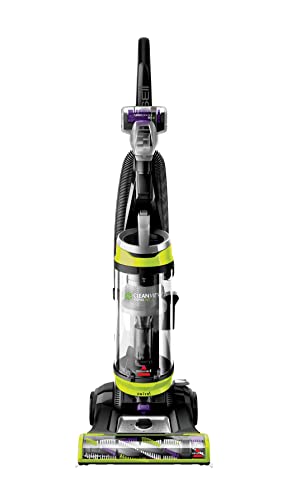
Upright vacuums are designed primarily for carpet and generally are not ideal for hardwood. They are heavier, have aggressive brush rolls, and their weight distribution can cause denting on softer woods. If you must use an upright, make sure it has a dedicated hard-floor mode that turns off the brush roll. Best for: homes with mostly carpet and some hardwood.
Our recommendation for homes that are primarily hardwood: a quality cordless stick vacuum for daily use, supplemented by a canister vacuum for weekly deep cleaning. This combination keeps your floors pristine without risking damage.
Robot Vacuums for Hardwood Floors
Robot vacuums can be an excellent supplement to a manual vacuum cleaner for hardwood floors. They handle daily dust maintenance between deeper cleaning sessions.
Top robot vacuums for hardwood:
- iRobot Roomba j9+: Excellent navigation, rubber extractors that are gentle on wood, auto-empty base ($700 to $900)
- Roborock S8 MaxV Ultra: Strong suction, LiDAR navigation, dual rubber brush system, mop attachment ($1,000 to $1,400)
- Ecovacs Deebot X2 Omni: Square design reaches corners better, OZMO mopping system, auto-empty and auto-clean station ($900 to $1,200)
Robot vacuums work well on hardwood because hard floors are flat and predictable. The rubber roller systems on modern robots do not scratch finishes. However, robot vacuums should supplement manual vacuuming, not replace it — they miss edges, tight corners, and heavy debris that a manual vacuum handles easily.
Price Ranges and Budget Options
You do not need to spend $700 to get a good vacuum cleaner for hardwood floors. Here is what each budget range gets you:
- Under $100: Basic corded stick vacuums from Bissell or Eureka. Limited suction and features but functional for light daily sweeping. Look for models with a hard-floor-specific head.
- $100 to $250: Entry-level cordless sticks from Tineco, Shark, and Dyson (older models). Decent suction, 20 to 30 minute runtime, basic filtration. Good value range for apartments and small homes.
- $250 to $500: Mid-range cordless sticks with better suction, longer runtime, HEPA filtration, and dedicated hard-floor heads. Shark Detect Pro and Tineco Pure ONE S15 fall here. Best value for most homeowners.
- $500 to $800: Premium cordless sticks (Dyson V15, LG CordZero) and mid-range canisters. Top-tier suction, smart sensors, excellent filtration, and build quality designed to last 5 to 10 years.
- $800 and above: Premium canister systems (Miele Complete C3) and high-end robot-manual combos. Professional-grade cleaning with the longest lifespan and best warranty coverage.
The sweet spot for most homeowners with hardwood floors is the $250 to $500 range. You get dedicated hard-floor cleaning heads, adequate suction, HEPA filtration, and enough battery life for a full house. Spending more gets you longer runtime, smarter features, and better build quality, but the actual cleaning performance increase is marginal.
Vacuum Maintenance Tips
Keeping your vacuum cleaner for hardwood floors in top condition extends its life and protects your floors:
- Clean the brush roll weekly: Remove hair, string, and debris wrapped around the roller. Even soft rollers can scratch if hard debris is embedded in the nap.
- Check the underside monthly: Look for stuck stones, sand, or hardened debris on the vacuum base plate that could scratch floors.
- Wash filters regularly: Most HEPA filters need rinsing every 1 to 3 months. Let them dry completely (24 hours) before reinstalling to prevent mold.
- Empty the dustbin frequently: A full bin reduces suction and can cause the motor to overheat. Empty after each session for best performance.
- Replace worn parts: Brush rolls, filters, and batteries are consumable parts. Replace them on the manufacturer’s recommended schedule to maintain performance.
- Inspect wheels: Check rubber wheels for embedded grit or debris that could transfer to the floor. Wipe wheels clean periodically.
Frequently Asked Questions
Can a regular vacuum damage hardwood floors?
Yes. Vacuums with stiff beater bars, hard plastic wheels, or exposed metal components can scratch, dull, and dent hardwood floors. The most common damage comes from using a carpet-mode beater bar directly on hardwood. Always use a vacuum with a dedicated hard-floor setting or a soft roller head designed for sealed hard surfaces.
How often should you vacuum hardwood floors?
Vacuum high-traffic areas 2 to 3 times per week and lower-traffic rooms once per week. Homes with pets or children benefit from daily vacuuming in main living areas. Fine dust and grit act like sandpaper underfoot, so frequent vacuuming actually protects your floor finish more than any other maintenance step.
Is a stick vacuum or canister vacuum better for hardwood?
For daily maintenance, a cordless stick vacuum is more convenient — it is lightweight, quick to grab, and easy to maneuver. For deep cleaning, a canister vacuum with a parquet floor head provides superior suction and more thorough cleaning along edges and under furniture. Many hardwood floor owners use both: a stick for daily upkeep and a canister for weekly deep cleans.
Should I vacuum or mop hardwood floors first?
Always vacuum first. Mopping before vacuuming pushes loose grit and sand across the floor surface, causing micro-scratches. Vacuum to remove all loose debris, then follow with a damp (not wet) mop for a thorough clean. Never use excess water on hardwood — a well-wrung microfiber mop or a spray mop with a hardwood-safe cleaner is ideal.
Do robot vacuums scratch hardwood floors?
Modern robot vacuums with rubber extractors (like the iRobot Roomba series) are safe for hardwood floors. Older models with bristle brushes may cause light scratching over time. To minimize risk, make sure the robot’s wheels are clean, keep the extractors free of embedded debris, and run the robot frequently so it handles light dust rather than heavy grit buildup.
Prefer to explore on your own?
See how new flooring looks in your actual room in seconds — free, no signup.
Try the free Floor Studio →