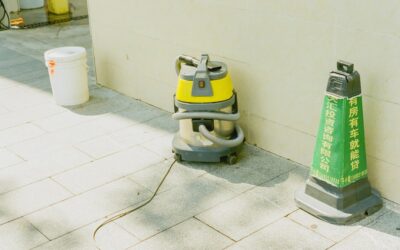
A vapor cleaning machine heats ordinary tap water past 200°F and blasts it out as a dry, high-pressure vapor that lifts grime, kills most household bacteria, and loosens baked-on grease without a single chemical. That is the appeal: you sanitize sealed floors, grout lines, oven racks, and upholstery using nothing but water. Before you spend $50 on a handheld or $1,500 on a commercial unit, it helps to understand how these machines actually work and where they genuinely outperform a mop and a spray bottle.
How a Vapor Cleaning Machine Works
Inside the unit sits a sealed boiler that heats water to roughly 212 to 310°F depending on the model. Pressure builds to between 30 and 75 psi in consumer machines, and when you press the trigger, that superheated water flashes into vapor as it exits the nozzle. The vapor carries enough heat to dissolve grease and enough velocity to physically blow contaminants out of cracks and pores.
The key term is “dry steam,” meaning the output is only about 5 percent water by volume. That low moisture content is why surfaces dry in minutes rather than soaking, and why these machines are safe on sealed hardwood, tile, and grout when used correctly. Heat does the sanitizing, while the vapor’s force does the scrubbing.
Types of Machines and What They Cost
Vapor cleaners range from pocket-sized handhelds to wheeled commercial systems, and matching the type to your needs prevents both overspending and disappointment.
- Handheld units ($40 to $90): Lightweight, fast to heat, ideal for bathroom grout, faucets, and small upholstery spots. Limited water tank means frequent refills.
- Steam mops ($60 to $150): Purpose-built for sealed hard floors with a microfiber pad. Easy to use but not versatile for detail work.
- Canister or cylinder cleaners ($150 to $500): The do-everything choice, with hoses, brushes, and squeegees for floors, windows, ovens, and mattresses.
- Commercial units ($600 to $1,500+): Higher temperature, continuous-fill boilers, and longer run times for whole-house or business use.
For most homeowners, a mid-range canister cleaner around $200 delivers the best balance of power and versatility.
Where Vapor Cleaning Genuinely Shines
Some jobs are tailor-made for steam, and once you try them you will reach for the machine constantly. Grout is the classic example: vapor blasts dirt out of porous lines that a mop only smears around. Bathroom fixtures, shower glass, and faucet bases come clean without scrubbing or harsh chemicals.
Kitchen grease is another standout. Oven racks, stovetop grates, and range hood filters surrender to heat that softens baked-on residue in seconds. Vapor also refreshes mattresses, sofas, and car interiors, and the heat is hot enough to address dust mites and many surface bacteria when held in contact for several seconds.
Where It Falls Short
No machine is universal, and a vapor cleaner has real limits. It loosens dirt but does not pick it up, so you still wipe or vacuum the residue afterward. On heavily soiled carpet it underperforms a true hot-water extractor, which both injects and sucks back the water.
Heat-sensitive surfaces are off limits too. Unsealed hardwood, laminate with worn seams, delicate fabrics, and anything with water-soluble finishes can warp, swell, or discolor. Always test an inconspicuous spot first, and never linger in one place on a floor, since prolonged heat can damage adhesives beneath tile or vinyl.
Buying Features That Actually Matter
When you compare models, a few specifications separate a tool you will use for years from one that ends up in a closet. Prioritize these:
- Boiler temperature: Look for at least 245°F output for effective sanitizing.
- Tank capacity and run time: A 1.5-liter tank runs roughly 30 to 45 minutes, enough for a full bathroom or kitchen.
- Heat-up time: Quality units are ready in 6 to 10 minutes; bargain models can take longer.
- Pressure rating: Higher psi means better penetration into grout and crevices.
- Attachment variety: Detail brushes, a squeegee, and a floor head dramatically expand what one machine handles.
Skip gimmicky accessories you will never use and put your money toward boiler quality and run time, which are the features that determine real-world performance.
Safe Operation and Maintenance
Treat the machine with respect because that vapor exits at scalding temperatures. Always point the nozzle away from skin, let pressure release fully before opening the boiler cap, and keep children clear during use. Use distilled or filtered water if your area has hard water, since mineral scale clogs the boiler and shortens its life.
After each session, empty the tank while the unit is still warm and let attachments air dry to prevent mildew. Periodically descale the boiler with a manufacturer-approved solution every few months in hard-water regions. A well-maintained vapor cleaning machine easily lasts five to ten years.
Vapor Cleaning Versus Traditional Methods
It helps to know exactly where steam beats a bucket and where it does not. Against a chemical spray and rag, vapor wins on grout, fixtures, and grease because heat does work that wiping alone cannot, and it leaves no sticky residue that attracts dirt back. It also sidesteps the fumes and skin contact that come with bleach and degreasers, a real plus for homes with kids, pets, or anyone sensitive to harsh products.
Against a steam mop on sealed tile, a canister vapor cleaner offers more pressure and far more versatility, since you can swap to a detail brush for the same grout the mop just glides over. Where vapor loses is on loose surface debris and saturated carpet stains. It is not a vacuum and not an extractor, so think of it as a sanitizing and degreasing partner to those tools rather than a replacement. The smartest cleaning routines combine a vacuum to remove loose dirt, a vapor cleaner to sanitize and loosen baked-on grime, and a microfiber cloth to wipe away the loosened residue.
Is It Worth It?
For households tired of chemical cleaners, anyone with kids or pets, or grout that no longer responds to scrubbing, a vapor cleaning machine pays for itself in convenience and reduced supply costs within a year or two. It will not replace your vacuum or a deep carpet extractor, but for sanitizing sealed floors, reviving bathrooms, and degreasing kitchens with nothing but water, few tools deliver more satisfying results. Buy the right type for your home, respect the heat, and keep the boiler clean.