Luxury vinyl plank and sheet vinyl are prized for being waterproof and low-maintenance, which makes them a natural fit for a floor-cleaning machine. Choosing the best vinyl floor cleaner machine comes down to one core rule: it must wash and immediately vacuum up the dirty water so nothing pools on the surface. Vinyl shrugs off splashes, but standing water can still creep under planks at the seams and around edges over years of use. The right hard-floor washer solves that by cleaning and drying in a single pass. Here is what to look for and which machines earn their spot.
What Kind of Machine Works Best on Vinyl
Not every floor gadget suits vinyl. Three categories dominate:
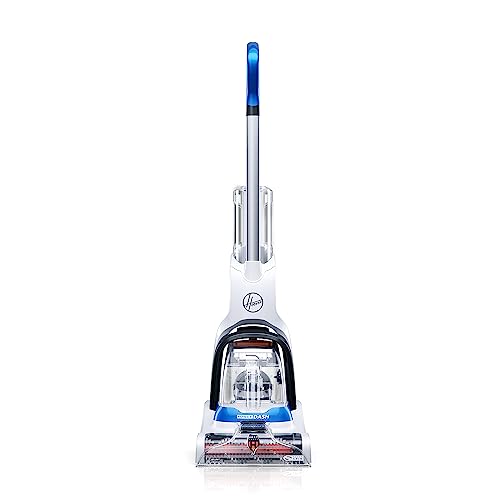
- Cordless hard-floor washers: Machines like the Tineco iFloor and Bissell CrossWave scrub with a rotating brush roll while a vacuum sucks the dirty water into a separate tank. They are the top choice for vinyl because the floor dries in seconds.
- Wet-dry vacuums with mop function: Similar to washers, these combine vacuuming and mopping and are great for households that also need to grab crumbs and debris.
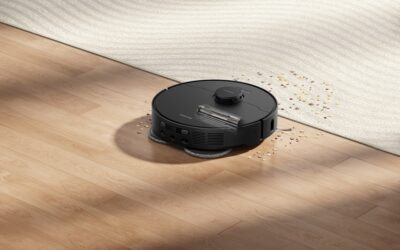
- Robot mop vacuums: Good for daily light upkeep, though they leave the floor slightly damper and cannot match a manual washer on ground-in grime.
Avoid steam mops as your primary machine on vinyl unless the product is specifically rated for steam; excessive heat can loosen adhesive and damage some LVP wear layers.


Features That Matter for Vinyl Floors
Separate Clean and Dirty Water Tanks
The single most important feature. A two-tank system means you always scrub with fresh solution and the grimy water goes to a separate reservoir, so you are never smearing dirt around. Every machine worth buying has this.
Strong Vacuum Recovery
Because vinyl seams are the one vulnerable spot, the machine should leave the floor nearly dry. Look for models advertised to leave floors dry in 30 seconds to two minutes. Good suction is what protects the floor.
Adjustable Moisture and Brush Speed
Vinyl does not need to be drenched. A machine with a low-moisture or eco setting lets you use just enough water for a light daily clean and more for a deep clean.
Soft-to-Medium Brush Roll
A soft or medium-stiffness microfiber roller cleans vinyl without scuffing the wear layer. Skip stiff scrub brushes meant for tile and grout unless the head is designed to be gentle.
Self-Cleaning Cycle
The best washers run water through the brush roll after use so it dries clean and odor-free. Without this, the roller can get funky over time.
Top Vinyl Floor Cleaner Machines
Tineco iFloor 3 / Floor One S5
Tineco’s cordless washers are a favorite for LVP. They vacuum and wash at once, leave floors dry fast, and the S5 model adds a smart sensor that increases suction on dirtier areas and a self-cleaning cycle. Expect to pay roughly $250 to $450. The S5 is worth the premium for larger homes.
Bissell CrossWave Series
The Bissell CrossWave and CrossWave Cordless Max multitask well, vacuuming debris and washing sealed hard floors including vinyl in one pass. A dedicated multi-surface pod formula is available. Prices run about $180 to $400. It is a strong pick for homes that mix vinyl with tile and sealed wood.
Bissell SpinWave
A budget-friendly spin mop system, around $120 to $170, that gently scrubs vinyl with rotating pads. It does not vacuum, so you handle debris separately, but for a waterproof vinyl floor its low moisture output is safe and effective.
Tineco Floor One S7 / Dreame Wet-Dry Vacuums
Newer flagship washers add flat-to-the-baseboard cleaning, hot-water washing, and voice prompts. At $400 to $650 they are overkill for small spaces but excellent for large open-plan vinyl floors.
How to Use a Floor Cleaner Machine Safely on Vinyl
- Sweep or vacuum first if your machine does not pick up large debris, so grit does not scratch the floor.
- Fill with the right solution. Use a pH-neutral, manufacturer-approved cleaner. Avoid wax, oil-soap, or high-alkaline formulas that dull vinyl.
- Choose a low-moisture setting for routine cleaning. Vinyl rarely needs the heaviest water flow.
- Work in overlapping passes so the vacuum recovers water on the return stroke.
- Check the seams and edges. Wipe up any water that lingers along baseboards, since edges are the only place vinyl is vulnerable.
- Run the self-clean cycle and empty the dirty tank right after each use.
What to Avoid
- Excess standing water. Even waterproof vinyl can wick moisture under seams over time. Always vacuum-dry.
- Harsh chemicals. Bleach, ammonia, and abrasive powders can discolor or etch the wear layer.
- Stiff scrub brushes and abrasive pads. They scuff the finish.
- Unapproved steam. Only steam vinyl explicitly rated for it.
Do You Even Need a Machine?
For a small apartment, a good microfiber flat mop and a pH-neutral cleaner may be all you need, and it costs under $40. A powered washer earns its keep in larger homes, households with kids or pets, and anyone tired of the mop-and-bucket routine. The time saved and the deeper clean on high-traffic vinyl usually justify the $200 to $450 spend for a mid-range cordless model.
Cordless vs. Corded Machines
One decision that shapes your daily experience is whether to go cordless or corded. Cordless washers like the Tineco iFloor and Floor One series run on rechargeable batteries, giving you 20 to 35 minutes of runtime per charge, enough for most homes on a single fill. The freedom from cords makes them faster to maneuver around furniture and up to a doorway, and there is no outlet-hunting mid-clean. The tradeoffs are battery life on very large floors and the eventual need to replace the battery after a few years. Corded models never run out of power, which suits big open-plan vinyl floors or commercial spaces, but the cord is a nuisance to drag and unplug as you move room to room. For a typical home, cordless wins on convenience; for large square footage cleaned in one long session, corded has the edge.
Maintaining Your Floor Cleaner Machine
A floor washer only performs well if you keep it clean, and neglect is the top reason these machines start to smell or streak. After every use, empty and rinse the dirty-water tank so grime does not fester, and run the self-cleaning cycle if your model has one to flush the brush roll. Pop out the roller and let it air-dry rather than leaving it damp in the machine, where mildew develops. Every few weeks, check the filter and rinse or replace it per the manufacturer’s schedule, and wipe the sensors on smart models so they read floor dirt accurately. Five minutes of upkeep after each clean keeps the suction strong and the machine odor-free for years, protecting the $200-plus investment.
Frequently Asked Questions
Can I use a steam mop on vinyl plank flooring?
Only if the vinyl is specifically rated for steam. Excess heat can loosen adhesive and damage some wear layers, so a cordless wash-and-vacuum machine is the safer everyday choice.
What is the best cleaning solution for a vinyl floor machine?
Use a pH-neutral, manufacturer-approved hard-floor formula. Avoid wax, oil soap, bleach, and ammonia, which dull or discolor the wear layer over time.
Will a floor machine damage the seams on my LVP?
Not if the machine vacuums the water back up and leaves the floor nearly dry. Damage only happens when water is left standing along seams and edges, so strong suction is key.
Is the Bissell CrossWave or Tineco iFloor better for vinyl?
Both clean vinyl well. The CrossWave excels at mixed floor types and picking up debris, while the Tineco iFloor and S5 lead on drying speed and smart suction. Choose based on your home’s mix of surfaces.
Prefer to explore on your own?
See how new flooring looks in your actual room in seconds — free, no signup.
Try the free Floor Studio →