You do not need a plot of ground to grow a real harvest, and vegetable container gardening proves it every summer on patios and balconies across the country. With the right pot size, sun, and watering rhythm, a cluster of containers can put tomatoes, peppers, greens, and even carrots on your table. The secret to vegetable container gardening is matching each crop to a container big enough to feed it, because unlike a flower, a vegetable has to build fruit, and that takes room, water, and steady nutrition.
Why Grow Vegetables in Containers
Containers let you grow food anywhere you have sun, and they hand you control a garden bed cannot. You choose the soil, you sidestep soilborne diseases and weeds, and you can move a pot to chase the light or duck a late frost. For anyone with a small yard, a rented apartment, or poor native soil, pots are the difference between growing your own food and not.
They also make crop rotation and cleanup trivial. At season’s end you empty, rinse, and store the pot, and next spring you start clean. That simplicity is why I recommend containers to anyone who wants vegetables without committing to breaking ground.
Sizing the Container to the Crop
This is where most people go wrong. Vegetables are hungry and thirsty, and a pot that is too small dooms them to stunted, bitter, sparse harvests. Bigger pots hold more water and nutrients and stay stable in the heat, so err large every time. Here is how the common crops sort out.
- Tomatoes: a minimum of 5 gallons per plant, and 7 to 10 gallons for the big indeterminate types. One plant per pot.
- Peppers and eggplant: 3 to 5 gallons each.
- Cucumbers and bush zucchini: 5 gallons, with a trellis for the cucumbers to climb.
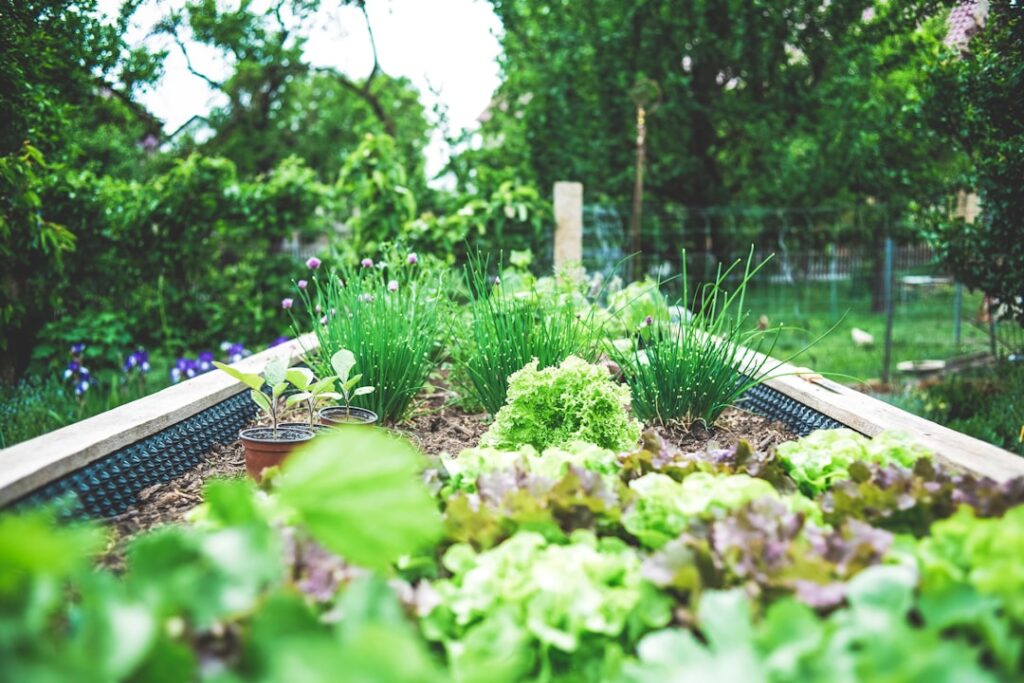
- Lettuce, spinach, and other greens: shallow but wide; a 1- to 2-gallon window box grows a whole salad row.
- Bush beans: 2 to 3 gallons.
- Carrots, radishes, and beets: a pot at least 10 to 12 inches deep so the roots can form properly; go 12 inches or more for full-size carrots.
- Herbs: 6- to 8-inch pots, roughly 1 gallon, for basil, parsley, and cilantro.
Spacing Within the Pot
The temptation to cram in extra plants is strong, and it always backfires. Overcrowded roots compete for water and food, and dense foliage traps moisture that breeds disease. Give each plant its air and light.
As a general guide, one tomato, one pepper, or one cucumber gets its own dedicated pot. For greens sown directly, thin seedlings to about 4 to 6 inches apart for leaf lettuce and 8 to 10 inches for larger heads. Bush beans go about 4 inches apart. Carrots need thinning to a stubborn but necessary 2 inches apart, because crowded carrots grow forked and small. Radishes want 1 to 2 inches. If you plant from seed, sow a little thick and then thin ruthlessly once true leaves appear.
Soil and Setup
Fill every container with a quality potting mix, never garden soil, which compacts into an airless brick inside a pot and can import disease. A bag of container mix built from coir or peat, perlite, and compost holds moisture while letting roots breathe. Mix in a granular slow-release vegetable fertilizer at planting according to the label, roughly a couple of tablespoons per gallon of mix, to carry the plants through their early weeks.
Confirm every pot has open drainage holes before you fill it. Vegetables sitting in soggy soil rot at the roots fast. Leave an inch of space between the soil line and the rim so water soaks in instead of running over the edge.
Sun Requirements That Actually Matter
Vegetables are among the most light-hungry plants you can grow, and skimping on sun is the top reason container crops disappoint. Count the hours of direct sun your spot truly gets before you plant.
- Fruiting crops like tomatoes, peppers, cucumbers, and eggplant demand a full 6 to 8 hours of direct sun to set and ripen fruit. Give them less and you get lush leaves but few vegetables.
- Root crops such as carrots, beets, and radishes want at least 6 hours.
- Leafy greens are the most tolerant and produce on 3 to 5 hours, which makes them your best bet for a partly shaded balcony.
Because pots move, position your heaviest sun-lovers in the brightest spot and tuck the greens where the light thins out. If a corner gets scorching afternoon sun, a little shade cloth over lettuce in July keeps it from bolting.
Watering for Steady Harvests
Consistent moisture is the heartbeat of vegetable container gardening. Uneven watering causes real, visible damage: tomatoes crack or develop the sunken black patch of blossom-end rot, and greens turn bitter and bolt. Containers dry out fast, so in peak summer a 5-gallon tomato pot in full sun can need a full watering every single day, sometimes morning and evening.
Check by pushing a finger 2 inches into the mix; if it is dry there, water until it runs freely from the drainage holes, wetting the whole root ball rather than just the top. Water in the early morning so foliage dries before evening, which cuts disease. A 2-inch layer of mulch, straw or shredded bark, on top of the soil slows evaporation and buys you time between waterings.
Feeding Hungry Vegetables
Every watering leaches nutrients out the drainage holes, so container vegetables need more feeding than plants in the ground. Once the slow-release fertilizer you mixed in fades, usually after 4 to 6 weeks, switch to a liquid feed. A balanced or slightly phosphorus-and-potassium-rich water-soluble fertilizer every 1 to 2 weeks keeps fruiting plants productive.
Watch the plants for cues. Yellowing lower leaves and stalled growth on a tomato usually mean it is hungry. Once fruit sets, tomatoes and peppers appreciate a feed lower in nitrogen and higher in potassium, which pushes fruit rather than more leaves.
A Beginner-Friendly Starter Lineup
For your first season, plant crops that reward you quickly and forgive small mistakes. A cherry tomato in a 7-gallon pot produces bowls of fruit and shrugs off neglect better than a big beefsteak. A pepper or two in 3-gallon pots, a window box of leaf lettuce for cut-and-come-again salads, and a pot of basil right by the kitchen door make a satisfying, productive quartet. Radishes are the fastest confidence builder of all, going from seed to harvest in about 25 to 30 days.
Vegetable container gardening comes down to a few disciplined habits: a pot big enough for the crop, honest sun hours, drainage you can trust, steady water, and regular feeding. Nail those, thin your seedlings without guilt, and even a small balcony will hand you fresh food from early summer straight through fall.
Supporting and Training Your Crops
Several container vegetables grow tall or vine, and giving them support early saves you heartache later. A tomato in a 7-gallon pot will topple under its own fruit if left unstaked, so set a sturdy cage or a 5- to 6-foot stake in the pot at planting time, not after the plant is sprawling. Tie the main stem loosely to the stake every 8 to 10 inches as it climbs, using soft twine or fabric strips that will not cut the stem.
Cucumbers are far happier climbing than sprawling. A simple trellis or a panel of wire mesh set behind the pot lets them grow vertically, which keeps the fruit clean and off the soil, improves airflow to fight disease, and saves floor space on a crowded balcony. Peppers and eggplant usually need only a single short stake to keep heavy branches from snapping. Train these plants while they are young and pliable, and they will reward you with a tidy, productive footprint.
Extending the Harvest and Season
One of the quiet advantages of growing in pots is that you can stretch your harvest well beyond a single planting. Practice succession sowing with fast crops: sow a short row of lettuce or radishes every 2 to 3 weeks rather than all at once, and you get a steady supply instead of a glut followed by nothing. As one crop finishes, replant that container with something new for the season ahead.
Mobility also lets you dodge the calendar’s edges. In spring you can set tomato and pepper pots out early and haul them into a garage or against a warm south wall when a late frost threatens, gaining you two or three weeks of growing time. In fall, the same trick protects cool-season greens and lets you keep cutting salad after the first light frosts have hit the open garden. With a thermometer, a little attention to the forecast, and the freedom to move a pot indoors on a cold night, a container grower often eats fresh vegetables weeks longer than a neighbor with an in-ground plot.