
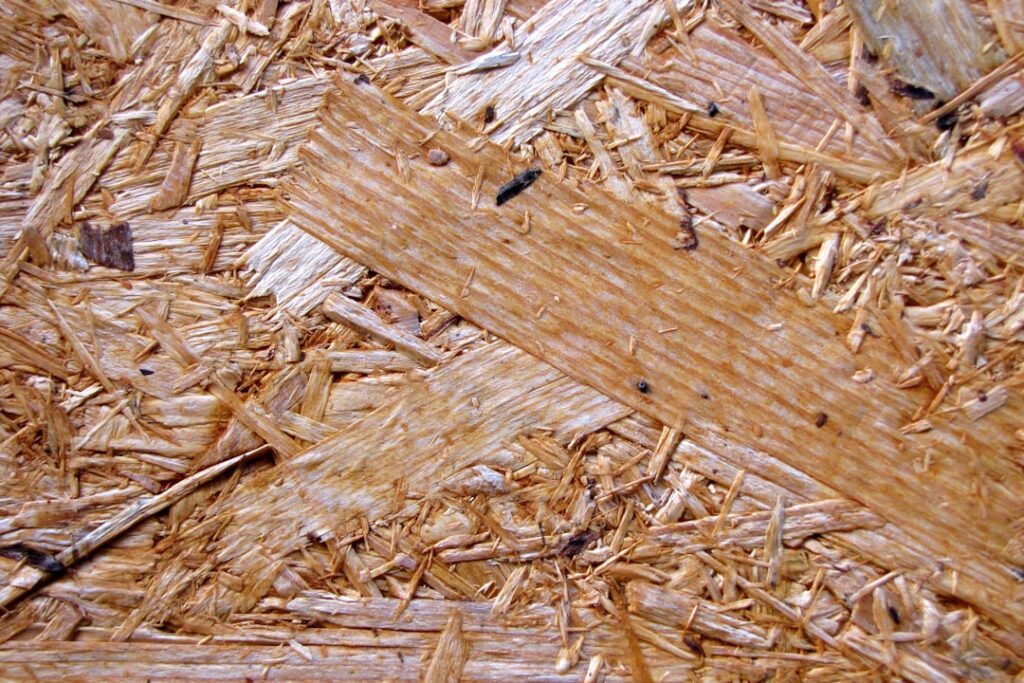
Veneer flooring uses a thin slice of real hardwood — the veneer — bonded to a substrate (plywood, HDF, or softwood core) to create a floor that looks and feels like solid hardwood at a lower cost and with greater dimensional stability. While all engineered hardwood is technically veneer flooring, the term is increasingly used to describe products with ultra-thin veneers (0.6mm to 2mm) that push the boundary between engineered wood and laminate.
This guide clarifies what veneer flooring is, how it differs from traditional engineered hardwood, the practical implications of veneer thickness, and whether it is the right choice for your home. For a full overview of engineered wood construction, visit our engineered wood flooring guide.
- What Is Veneer Flooring?
- Veneer Thickness Explained
- Veneer Flooring vs Engineered Hardwood
- Veneer Flooring vs Laminate
- Veneer Flooring vs Solid Hardwood
- Construction and Manufacturing
- Durability and Performance
- Refinishing Limits
- Installation Methods
- Top Veneer Flooring Brands
- Pricing Guide
- Frequently Asked Questions
What Is Veneer Flooring?
Veneer flooring is a flooring product that features a thin layer of real hardwood (the veneer) on top of a core material. The veneer provides the authentic look, feel, and grain pattern of real wood, while the core provides structural stability, dimensional control, and resistance to moisture-related expansion and contraction.
How Veneer Is Cut
Wood veneers are produced by slicing thin sheets from a log using one of three methods. Rotary cutting peels a continuous sheet from a rotating log, producing wide veneers with a bold, open grain pattern. Plain slicing cuts straight through the log parallel to its center, producing veneers with the cathedral and straight grain patterns familiar in furniture and flooring. Quarter slicing cuts at a 90-degree angle to the growth rings, producing straight, consistent grain with distinctive fleck patterns in oak (called medullary rays).
The Veneer Advantage
Using a thin veneer of premium hardwood over a more affordable core allows manufacturers to produce attractive hardwood floors using far less premium timber. A floor with a 2mm oak veneer uses roughly one-tenth the oak of a 3/4-inch solid oak plank. This makes rare, exotic, or expensive wood species accessible at more reasonable prices and is inherently more sustainable — more floor from less tree.
Veneer Thickness Explained
Veneer thickness is the single most important specification to understand when evaluating veneer flooring. It determines the floor’s appearance quality, refinishing potential, and durability of the wood surface.
Ultra-Thin Veneer: 0.6mm to 1.0mm
Ultra-thin veneers are at the boundary between engineered wood and laminate. The wood layer is real — you can see and feel genuine grain — but it is too thin to sand or refinish. Any damage to the veneer exposes the core beneath. Ultra-thin veneer products are the most affordable real-wood flooring option and are popular in Europe, where brands like Kahrs and Boen offer stylish thin-veneer collections. Lifespan is limited to the wear life of the factory finish, typically 10 to 20 years.
Thin Veneer: 1.0mm to 2.0mm
Thin veneer products offer a genuine wood surface with very limited refinishing potential. A 1.5mm veneer might support one light sanding (removing 0.3 to 0.5mm) to refresh the surface, but not a full refinish that addresses deep scratches or significant wear. These products balance cost savings with some renewal potential and typically last 15 to 25 years.
Standard Veneer: 2.0mm to 4.0mm
This is the range of traditional engineered hardwood. A 3mm veneer supports one to two full sanding and refinishing cycles, while a 4mm veneer supports two to three. This provides 25 to 50 years of service life with the ability to address wear, damage, and style changes through refinishing. Most premium engineered hardwood falls in this range.
Thick Veneer: 4.0mm to 6.0mm
Thick-veneer engineered hardwood approaches the performance of solid hardwood in refinishing potential (three to four sandings) while maintaining the dimensional stability of engineered construction. These products are the premium tier of engineered flooring and cost nearly as much as solid hardwood. They are the best choice when you want the stability of engineered construction with the longevity of solid wood.
Veneer Flooring vs Engineered Hardwood
Technically, veneer flooring and engineered hardwood are the same product category — all engineered hardwood uses a veneer. However, the market increasingly uses “veneer flooring” to refer to thin-veneer products (under 2mm) and “engineered hardwood” for standard to thick veneer products (2mm+).
Key Differences
| Factor | Veneer Flooring (under 2mm) | Engineered Hardwood (2mm+) |
|---|---|---|
| Veneer thickness | 0.6 – 2.0mm | 2.0 – 6.0mm |
| Refinishing | None to one light sanding | One to four full refinishes |
| Appearance | Real wood (may appear thinner) | Indistinguishable from solid wood |
| Price range | $2.00 – $5.00/sq ft | $4.00 – $12.00/sq ft |
| Lifespan | 10 – 25 years | 25 – 50+ years |
| Best for | Budget real-wood floors, rentals | Long-term homes, premium installs |
When Thin Veneer Makes Sense
Thin-veneer flooring is an excellent choice when you want the authenticity of real wood (versus the printed image of laminate) but do not need long-term refinishing capability. It works well in rental properties, starter homes, rooms with planned renovation timelines, and situations where budget is a primary constraint but laminate’s artificiality is unacceptable.
Veneer Flooring vs Laminate
Veneer flooring occupies the space between laminate and standard engineered hardwood. Understanding how it compares to laminate flooring helps clarify its value proposition.
The Fundamental Difference
Veneer flooring has a real wood surface. Laminate has a photographic image of wood protected by a melamine wear layer. This fundamental difference affects appearance (veneer has natural variation, depth, and authenticity that photographs cannot fully replicate), feel (veneer feels like wood to the touch, while laminate feels like plastic), and perceived quality (most people can identify laminate as “not real wood” upon close inspection or touch).
Where Laminate Wins
Laminate’s melamine wear layer is harder and more scratch-resistant than wood veneer finished with polyurethane. Laminate resists dents from dropped objects better than thin veneer (the HDF core is harder than wood). Laminate costs less than veneer flooring at equivalent quality levels. For homes with large dogs, active children, or very high wear expectations, laminate may be the more practical choice.
Where Veneer Wins
Veneer flooring looks and feels authentically like wood because it is wood. The natural grain variation, color depth, and tactile quality cannot be perfectly replicated by printing technology. Veneer flooring carries more perceived value — real wood floors are preferred by homebuyers and contribute more positively to home resale value than laminate. Even ultra-thin veneer products hold this advantage over the best laminate.
Veneer Flooring vs Solid Hardwood
For buyers considering hardwood flooring, understanding the trade-offs between veneer products and solid hardwood is essential.
Stability
Veneer flooring (like all engineered wood) is more dimensionally stable than solid hardwood. The cross-layered plywood or HDF core resists expansion and contraction from humidity changes. This makes veneer flooring suitable for concrete slab installations, basement installations, and over radiant heat — applications where solid hardwood is risky or impossible.
Cost
Thin-veneer flooring costs 30 to 60 percent less than solid hardwood. Standard-veneer engineered hardwood costs 10 to 30 percent less. The savings are particularly significant with expensive species — a walnut-veneer floor at $6 per square foot delivers the same visual as solid walnut at $10 to $14 per square foot.
Longevity
Solid hardwood wins on longevity — it can be sanded and refinished many times over a 75 to 100-year lifespan. Thin-veneer flooring cannot be refinished and has a 10 to 25-year lifespan. Standard-veneer engineered hardwood (3mm+) can be refinished one to three times for a 25 to 50-year lifespan. For multi-generational homes, solid hardwood is the better long-term investment.
Construction and Manufacturing
Understanding how veneer flooring is constructed helps you evaluate quality differences between products.
Core Types
Plywood core: Multiple layers of wood veneer stacked with alternating grain directions. This is the strongest and most stable core type, used in premium engineered flooring. Baltic birch plywood is the gold standard for core quality.
HDF (High-Density Fiberboard) core: A dense, uniform core made from compressed wood fibers. HDF provides a flat, consistent substrate that is less expensive than plywood. It is used in many click-lock veneer flooring products and provides excellent dimensional consistency.
Softwood core: Some European veneer flooring uses a spruce or pine lumber core, where solid softwood strips are laid side by side and topped with a hardwood veneer. This is common in wider plank products (8+ inches) and provides excellent stability.
Adhesives
The adhesive bonding the veneer to the core is critical for long-term performance. Phenol-formaldehyde (PF) and melamine-urea-formaldehyde (MUF) adhesives are the most durable and water-resistant. Soy-based adhesives are the most environmentally friendly. Urea-formaldehyde (UF) adhesives are less expensive but can off-gas formaldehyde — check for FloorScore or CARB Phase 2 compliance to ensure safe emission levels.
Finish
Factory-applied finishes on veneer flooring include UV-cured polyurethane (the most common), aluminum oxide-reinforced polyurethane (the most durable), hardwax oil (the most natural looking), and lacquer. UV-cured finishes are applied in 7 to 12 coats and cured instantly with UV light, creating a harder, more consistent finish than site-applied polyurethane. Aluminum oxide particles embedded in the finish increase scratch resistance by 300 to 500 percent.
Durability and Performance
The durability of veneer flooring depends on both the veneer thickness and the quality of the factory finish.
Scratch Resistance
Factory-finished veneer flooring with aluminum oxide coating resists scratches better than most site-finished solid hardwood. The aluminum oxide particles create a protective barrier that blunts sharp objects before they reach the wood. However, once a scratch penetrates through the finish into the thin veneer, repair options are limited — unlike thick solid wood where scratches can be sanded out.
Dent Resistance
Dent resistance depends on the wood species. Hard species (hickory, Brazilian cherry, strand-woven bamboo) resist dents better than soft species (pine, fir, walnut). The core material beneath the veneer also affects dent resistance — plywood cores provide slightly more resilience than HDF. On thin-veneer products, heavy dropped objects can dent through the veneer to the core.
Moisture Performance
Veneer flooring with plywood cores offers moderate moisture resistance — better than solid hardwood but not waterproof. HDF-core veneer products behave similarly to laminate: the surface repels water, but prolonged exposure causes core swelling. For moisture-prone areas, choose veneer flooring with waterproof cores (SPC or marine-grade plywood) or consider waterproof flooring alternatives.
Dimensional Stability
Veneer flooring’s cross-layer construction provides excellent dimensional stability. Seasonal expansion and contraction are typically 50 to 70 percent less than solid hardwood. This means fewer seasonal gaps between planks, less cupping, and better performance over radiant heat systems. Wider planks (7+ inches) benefit most from engineered construction — solid hardwood in wide planks is prone to dramatic seasonal movement.
Refinishing Limits
Refinishing potential is the most important long-term consideration for veneer flooring. Here is a practical guide based on veneer thickness.
Can You Refinish Thin Veneer (Under 2mm)?
Ultra-thin veneers (0.6 to 1.0mm) cannot be sanded or refinished at all. The veneer is too thin to survive any material removal. Thin veneers (1.0 to 2.0mm) may support one very light sanding using a buffing screen (not a drum sander) that removes only 0.2 to 0.3mm of material. This can refresh a worn finish but cannot remove deep scratches, dents, or significant staining. Think of it as a maintenance procedure rather than a true refinish.
Standard Veneer Refinishing (2mm to 4mm)
A 2mm veneer supports one full sanding and refinish (removing approximately 0.5 to 0.8mm per cycle). A 3mm veneer supports one to two refinishes. A 4mm veneer supports two to three. Each refinish cycle restores the floor to near-new condition, addressing scratches, wear patterns, stains, and allowing a complete color change if desired.
When to Refinish
Refinish veneer flooring when the finish is worn through in traffic areas, when scratches have penetrated to bare wood, when the color or sheen is uneven, or when you want to change the floor’s color (for example, from dark stain to natural). Do not wait until the veneer itself is visibly worn — refinishing is most effective when the wood surface beneath the finish is still intact.
Professional Refinishing Is Essential
Veneer flooring should always be refinished by a professional experienced with engineered products. The thin veneer leaves no room for error — an aggressive sander or an extra pass in one area can sand through to the core, ruining the plank. Professionals use precise equipment and light passes to remove only the necessary amount of material.
Installation Methods
Veneer flooring can be installed using several methods depending on the core type and product format.
Floating (Click-Lock)
Click-lock veneer flooring with HDF or plywood cores is the most common DIY installation method. Planks connect via interlocking tongue-and-groove profiles and float over an underlayment without adhesive or fasteners. This is the fastest, easiest, and most affordable installation method. It works on concrete, plywood, and existing hard flooring (tile, vinyl) as long as the surface is flat and dry.
Glue-Down
Full-spread adhesive installation bonds veneer flooring directly to the subfloor. This method provides the most solid feel underfoot, the least hollow sound, and the best performance over radiant heat (the adhesive bond conducts heat more efficiently than the air gap in floating installations). Glue-down is preferred for premium installations and wide-plank products.
Nail or Staple Down
Thicker veneer flooring (total thickness 12mm or more) with plywood cores can be nail-down installed over plywood subfloors using the same pneumatic nailers used for solid hardwood. This traditional method provides excellent stability and the solid feel of a permanent floor. It is the preferred method for wide-plank veneer flooring on wood subfloors.
Top Veneer Flooring Brands
These brands offer notable veneer flooring products across various price points.
Kahrs
Swedish manufacturer Kahrs pioneered engineered hardwood flooring and produces some of the finest veneer flooring available. Their Woodloc click-lock system is among the strongest in the industry. Kahrs offers veneer thicknesses from 0.6mm (Linnea Collection) to 3.6mm (Supreme Collection), covering the full spectrum from ultra-thin budget to premium refinishable products. All Kahrs products carry environmental certifications.
Boen
Norwegian brand Boen produces engineered hardwood with veneer thicknesses from 1.0mm to 3.5mm. Their flagship products use European oak, walnut, and ash in wide-plank formats with sophisticated surface treatments (live pure lacquer, live natural oil). Boen is known for clean Scandinavian design and precise manufacturing quality.
Mohawk
Mohawk’s TecWood and SolidTech lines include engineered wood with 2mm to 3mm veneers in popular American and European species. Their UltraWood technology features an enhanced surface treatment for superior scratch resistance. Mohawk offers competitive pricing and wide distribution through major retailers.
Shaw
Shaw’s engineered hardwood collections feature veneers from 2mm to 4mm in oak, hickory, maple, and walnut. Their DuraShield finish provides excellent wear resistance. Shaw products are widely available and competitively priced, making them a strong mid-range choice for veneer flooring.
Pricing Guide
| Veneer Category | Veneer Thickness | Price Per Sq Ft | Refinishing Potential |
|---|---|---|---|
| Ultra-thin veneer | 0.6 – 1.0mm | $2.00 – $4.00 | None |
| Thin veneer | 1.0 – 2.0mm | $3.00 – $5.00 | One light sanding |
| Standard veneer | 2.0 – 4.0mm | $4.00 – $10.00 | 1 – 3 refinishes |
| Thick veneer | 4.0 – 6.0mm | $8.00 – $14.00 | 3 – 4 refinishes |
Value Assessment
When evaluating veneer flooring value, divide the installed cost by the expected lifespan. A thin-veneer product at $4 per square foot installed lasting 15 years costs $0.27 per square foot per year. A standard-veneer engineered hardwood at $9 per square foot installed lasting 35 years (with one refinish) costs $0.26 per square foot per year. The per-year cost is nearly identical, but the standard-veneer product provides a more authentic experience and refinishing flexibility throughout its longer life.
Frequently Asked Questions
Is veneer flooring real wood?
Yes. The top surface of veneer flooring is genuine hardwood — sliced from real logs. It has authentic grain patterns, natural color variation, and the tactile feel of real wood. The difference from solid hardwood is thickness: solid hardwood is 3/4 inch of wood throughout, while veneer flooring uses a thin layer of real wood over a core material. The wood surface you see and touch is completely real.
How long does veneer flooring last?
Ultra-thin veneer (under 1mm): 10 to 20 years. Thin veneer (1-2mm): 15 to 25 years. Standard veneer (2-4mm) with refinishing: 25 to 50 years. Thick veneer (4-6mm) with refinishing: 40 to 60+ years. Lifespan depends on traffic intensity, maintenance quality, and whether the floor is refinished when needed.
Can you refinish veneer flooring?
It depends on the veneer thickness. Ultra-thin veneer (under 1mm) cannot be refinished. Thin veneer (1-2mm) supports one light sanding. Standard veneer (2-4mm) supports one to three full refinishes. Thick veneer (4-6mm) supports three to four refinishes. Always have veneer flooring professionally refinished — the thin wood layer leaves no margin for error with sanding equipment.
Is veneer flooring better than laminate?
Veneer flooring offers a more authentic appearance, a genuine wood feel, and higher perceived value than laminate. Laminate offers better scratch resistance, lower cost, and easier maintenance. If visual authenticity and resale value matter to you, veneer flooring is the better choice. If budget and maximum durability are priorities, laminate may be more practical. Both are valid choices depending on your specific needs and preferences.
Is veneer flooring waterproof?
Standard veneer flooring is not waterproof. The wood veneer surface repels brief contact with water, but prolonged exposure causes damage. The core material (plywood or HDF) can swell, and the veneer can warp or delaminate if saturated. For wet areas, choose veneer flooring specifically engineered with waterproof cores (SPC-based products) or opt for waterproof LVP flooring instead.
How thick should veneer flooring be?
For a primary residence where you want the option to refinish, choose a veneer thickness of at least 2mm. For budget projects, rentals, or rooms with planned renovation timelines, a 1mm veneer provides real wood beauty at a lower cost. For maximum longevity and refinishing potential, 3mm to 4mm veneer is the sweet spot of value and performance.
Prefer to explore on your own?
See how new flooring looks in your actual room in seconds — free, no signup.
Try the free Floor Studio →

