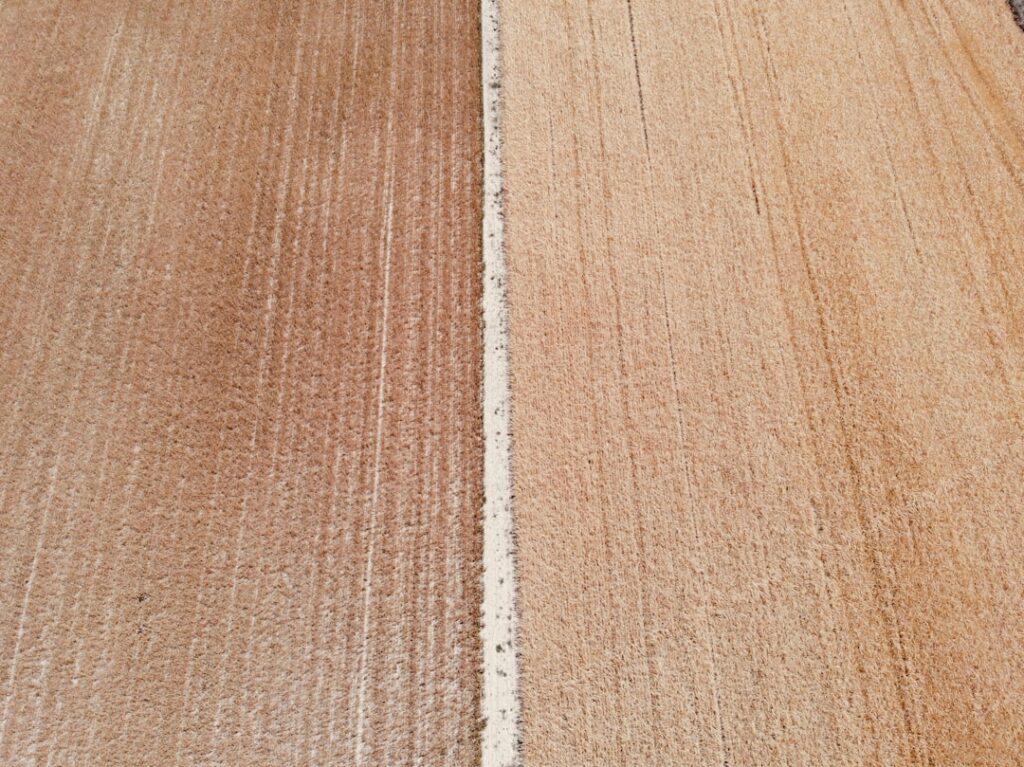
Vinyl and laminate are the two most popular affordable flooring options, and they look more alike than ever. Both come in realistic wood and stone patterns, both install with click-lock systems, and both cost a fraction of the hardwood or tile they imitate. So what actually separates them?
The answer comes down to construction. Vinyl laminate may look similar on the surface, but underneath that printed layer, these floors are built from fundamentally different materials that perform very differently around water, temperature, and heavy use. This guide breaks down every meaningful difference to help you choose the right floor for your home.
- Construction: What Is Each Floor Made Of?
- Water Resistance: The Biggest Differentiator
- Durability and Wear Resistance
- Look and Feel
- Installation Comparison
- Cost Comparison
- Best Rooms for Each Floor
- Pet Considerations
- Resale Value
- Environmental Considerations
- The Hybrid Option: Waterproof Laminate
- Final Thoughts
Construction: What Is Each Floor Made Of?
Vinyl Flooring Construction
Vinyl flooring is made entirely from synthetic materials, primarily polyvinyl chloride (PVC). A standard luxury vinyl plank (LVP) or luxury vinyl tile (LVT) has four layers:
- Backing layer: A base layer that provides stability and sometimes includes cork or foam for cushioning and sound absorption.
- Core layer: The structural body of the plank. This can be a flexible PVC core (standard LVP), a rigid stone-polymer composite (SPC) core, or a wood-polymer composite (WPC) core.
- Printed design layer: A high-resolution photographic film that creates the wood or stone appearance.
- Wear layer: A clear PVC or polyurethane topcoat ranging from 6 mil to 28 mil thick that protects against scratches, stains, and UV damage.
Laminate Flooring Construction
Laminate flooring is built around a wood-based core. A standard laminate plank also has four layers:
- Backing layer: A melamine-resin-saturated paper or thin fiberboard that provides moisture resistance and dimensional stability.
- Core layer: High-density fiberboard (HDF) made from compressed wood fibers and resin. This is the structural backbone of the plank.
- Decor layer: A high-resolution printed paper that replicates the appearance of wood, stone, or tile.
- Wear layer: A clear aluminum oxide overlay that provides exceptional scratch and abrasion resistance.
The Fundamental Difference
The core material is the key distinction. Vinyl is plastic all the way through and inherently waterproof. Laminate has a wood-based core that swells and warps when exposed to significant moisture. This single difference drives most of the performance distinctions between the two.
Water Resistance: The Biggest Differentiator
If you could only compare one feature, water resistance would tell you the most about which floor to choose.
Vinyl: Fully Waterproof
Vinyl flooring is 100 percent waterproof from top to bottom. You can submerge a vinyl plank in water indefinitely and it will not swell, warp, or deteriorate. This makes vinyl the clear choice for bathrooms, kitchens, laundry rooms, basements, and any space where water exposure is regular or likely.
Laminate: Water Resistant Only
Standard laminate flooring is water-resistant on the surface but vulnerable at the core. The aluminum oxide wear layer repels surface moisture effectively, and many modern products include wax-sealed edges that slow moisture penetration at seams. However, if water reaches the HDF core through seams, edges, or damage to the surface, the core absorbs it and swells irreversibly.
Some premium laminate products now carry waterproof claims based on enhanced edge sealing and hydrophobic core treatments. These perform significantly better than traditional laminate around water, but they still cannot match vinyl’s inherent imperviousness to moisture.
Durability and Wear Resistance
Scratch Resistance
Laminate wins on scratch resistance. The aluminum oxide wear layer on quality laminate is one of the hardest surface coatings available in residential flooring. AC4 and AC5 rated laminate resists scratches from pet claws, furniture legs, and dropped objects better than most vinyl floors.
Vinyl’s PVC wear layer is softer and more susceptible to scratching, particularly from sharp objects or heavy furniture dragged across the surface. Higher-end vinyl products with 20-mil or thicker wear layers perform much better than budget options with 6-mil to 12-mil wear layers.
Dent Resistance
Laminate also outperforms vinyl on dent resistance. The rigid HDF core does not compress under heavy furniture, appliances, or point loads. Vinyl, especially WPC and flexible LVP, can develop permanent indentations under heavy furniture legs, refrigerators, or other concentrated loads. Using furniture pads helps, but laminate is inherently more resistant to denting.
Impact Resistance
Vinyl handles impacts better than laminate. Dropped heavy objects can chip or crack laminate’s rigid surface, and that damage is permanent. Vinyl’s flexible PVC construction absorbs impact energy and is far less likely to crack, chip, or shatter. This makes vinyl a better choice in households with active children or in areas where heavy items may be dropped.
Fade Resistance
Both materials can fade with prolonged UV exposure, but vinyl is generally more vulnerable. Extended direct sunlight can cause vinyl colors to shift or fade over time. Laminate’s melamine wear layer provides better UV protection. In rooms with large windows and significant sun exposure, laminate tends to maintain its color longer.
Look and Feel
Visual Realism
Both vinyl and laminate achieve remarkably realistic wood and stone looks through high-definition printing. In 2026, the visual difference between the two is minimal. Both use embossed-in-register (EIR) textures that align the surface feel with the printed pattern. Side by side, most people cannot tell which is vinyl and which is laminate based on appearance alone.
Underfoot Feel
This is where vinyl and laminate diverge noticeably. Vinyl, particularly WPC-core products, has a slightly softer, warmer feel underfoot. The PVC construction provides natural cushioning that reduces foot and leg fatigue. SPC vinyl is firmer but still warmer than laminate.
Laminate feels harder and crisper underfoot due to the rigid HDF core. Some people prefer this solid, wood-like feel, while others find it less comfortable for prolonged standing. Quality underlayment can add cushioning to laminate, but it will never match the inherent softness of WPC vinyl.
Sound
Laminate is louder than vinyl when walked on. The hard HDF core generates more impact sound (the noise you hear in the room) and transmission sound (the noise your downstairs neighbors hear). This hollow clicking sound is one of the most common complaints about laminate flooring. Thick, quality underlayment helps significantly, but vinyl still wins on acoustics for most installations.
Installation Comparison
Click-Lock Floating Installation
Both vinyl and laminate use click-lock floating installation, and both are excellent DIY flooring options. The process is similar: lay underlayment (if not pre-attached), click planks together row by row, maintain expansion gaps, and install trim.
Cutting
Vinyl is easier to cut. Thin vinyl planks can be scored with a utility knife and snapped, requiring no power tools. Thicker SPC vinyl requires a vinyl cutter or saw, but still cuts more easily than laminate. Laminate must be cut with a saw (miter, circular, or jigsaw), which creates dust and requires more setup.
Subfloor Requirements
Both require a flat, clean subfloor, but SPC vinyl is more forgiving of minor imperfections because its rigid core bridges small gaps and bumps. Laminate is more sensitive to subfloor irregularities, which can cause clicking noises and joint stress.
Temperature Considerations
Vinyl expands and contracts more with temperature changes than laminate does. In sunrooms, rooms with large windows, or spaces with significant temperature fluctuations, vinyl may require larger expansion gaps and can develop issues with buckling or gaps between planks. Laminate responds more to humidity changes than temperature.
Cost Comparison
Material Costs
- Budget vinyl (LVP): $1.50 to $3.00 per square foot
- Mid-range vinyl (WPC/SPC): $3.00 to $5.00 per square foot
- Premium vinyl: $5.00 to $8.00 per square foot
- Budget laminate: $0.75 to $1.50 per square foot
- Mid-range laminate: $1.50 to $3.50 per square foot
- Premium laminate: $3.50 to $5.50 per square foot
Installation Costs
Professional installation costs are similar for both: $1.50 to $3.50 per square foot. Both are highly DIY-friendly, with vinyl being slightly easier due to simpler cutting.
Lifetime Value
Quality vinyl typically lasts 15 to 25 years. Quality laminate lasts 15 to 25 years as well, sometimes longer in dry environments. Vinyl may need replacement sooner in high-traffic areas due to wear layer erosion, while laminate may fail earlier in moisture-prone spaces. When properly matched to the right environment, both offer excellent value.
Best Rooms for Each Floor
Where Vinyl Wins
- Bathrooms: Vinyl is the clear winner due to complete waterproofing.
- Kitchens: Regular water exposure from cooking and cleaning favors vinyl.
- Laundry rooms: Risk of washer leaks and standing water makes vinyl essential.
- Basements: Below-grade moisture and potential flooding favor vinyl.
- Mudrooms and entryways: Tracked-in rain and snow are handled easily by vinyl.
Where Laminate Wins
- Living rooms: Superior scratch resistance handles furniture and foot traffic well.
- Bedrooms: Dry environment plays to laminate’s strengths; harder surface supports furniture without denting.
- Home offices: Laminate resists rolling chair casters better than vinyl.
- Sunrooms: Better UV resistance protects against fading in sun-drenched spaces.
- Hallways: High scratch resistance handles heavy foot traffic.
Where Either Works
Dining rooms, guest rooms, playrooms, and walk-in closets work well with either material. Your decision in these rooms can come down to personal preference, budget, or simply matching adjacent flooring.
Pet Considerations
Both vinyl and laminate work well in homes with pets, but each has strengths. Laminate’s superior scratch resistance handles dog and cat claws better, particularly in homes with large dogs. Vinyl’s waterproof nature makes it more forgiving of pet accidents that are not immediately cleaned up. For homes with both large dogs and a need for easy accident cleanup, vinyl is usually the better choice because water damage is permanent while surface scratches on vinyl are cosmetic.
Resale Value
Neither vinyl nor laminate adds significant resale value compared to hardwood flooring or quality tile. Between the two, vinyl currently has a slight edge in buyer perception because waterproof flooring is highly valued. Laminate’s reputation has improved dramatically in recent years as quality has increased, but it still carries some stigma from the low-quality products of decades past.
Environmental Considerations
Laminate has a smaller environmental footprint in some respects because its HDF core is made from wood fibers, a renewable resource, and many products use recycled content. Laminate is also easier to recycle at end of life.
Vinyl is made entirely from synthetic, petroleum-based materials and is difficult to recycle. However, vinyl’s longer lifespan in wet environments means fewer replacements over time, which partially offsets its higher environmental impact per unit. Some vinyl manufacturers now offer recycling programs and use recycled PVC content.
The Hybrid Option: Waterproof Laminate
A growing category of waterproof laminate seeks to combine laminate’s scratch resistance and natural feel with vinyl’s water resistance. These products use water-resistant HDF cores with sealed edges and enhanced surface coatings. While not as fully waterproof as vinyl, they significantly close the gap and may be the best of both worlds for kitchens and powder rooms where some water resistance is needed but full waterproofing is not essential.
Final Thoughts
Choosing between vinyl and laminate comes down to your priorities. If waterproofing is essential, vinyl is the only choice. If scratch resistance and a hard, natural feel are your priorities, laminate has the edge. For many homes, the best approach is to use both: vinyl in wet areas like kitchens, bathrooms, and basements, and laminate in dry living spaces like bedrooms, living rooms, and hallways. Both are excellent flooring options that deliver remarkable value when matched to the right environment.
Prefer to explore on your own?
See how new flooring looks in your actual room in seconds — free, no signup.
Try the free Floor Studio →