
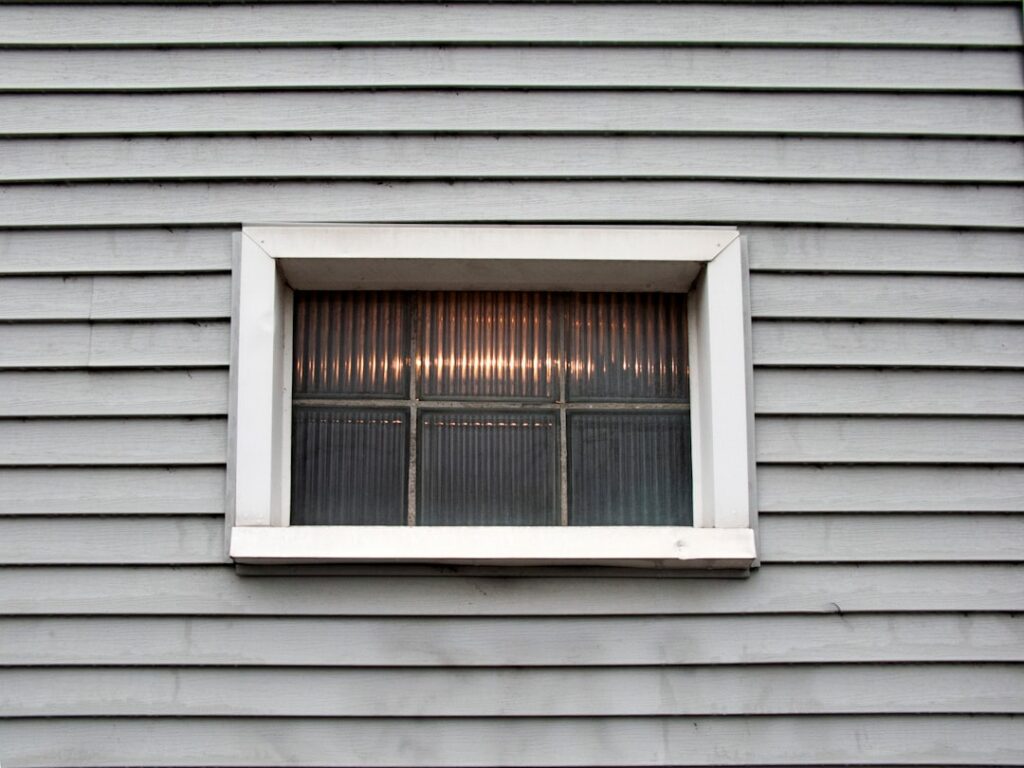
Hail, a stray baseball, a lawn mower flinging a rock, or simple sun-driven brittleness can crack or hole your exterior siding. A vinyl siding patch lets you repair the damage from outside, often in under an hour, without tearing off a whole section of wall or hiring a contractor for a small fix.
This guide explains the two main repair routes: a quick surface patch for small holes and a full panel-section replacement for larger damage. A proper vinyl siding patch keeps water out of your wall cavity, restores the home’s appearance, and protects the sheathing and insulation behind the siding from moisture and rot.
Assessing the Damage First
Before you buy anything, look closely at what you are dealing with. The repair method depends on the size, type, and location of the damage. Small punctures and short cracks call for a patch; long splits, large holes, or several damaged panels usually warrant replacing the affected section.
Check the surrounding panels too. Vinyl grows brittle with age and cold, so if the area around the damage flexes and cracks when you press it, you may need to replace more than you first thought. Inspect for any signs of water intrusion behind the siding, such as stained or soft sheathing, which is a bigger problem than the cosmetic damage itself.
Matching the Color and Profile
Color matching is the hardest part of any siding repair. Vinyl fades over years of sun exposure, so a brand-new piece in the same nominal color will often look noticeably brighter than weathered siding around it. Whenever possible, harvest your patch material from a hidden spot, such as behind a deck, inside a garage, or low on a rarely seen wall, and use new siding to replace that inconspicuous piece.
You also need to match the profile, which is the panel’s shape and exposure, such as double 4-inch or double 5-inch Dutch lap. Take a photo and a small offcut to a siding supplier if you can. Manufacturers and profiles vary widely, and a mismatched panel will stand out even if the color is close.
Tools and Materials
Most siding repairs use simple hand tools. Gather these before you start:
- A siding removal tool, often called a zip tool or unlocking tool
- A utility knife and tin snips for cutting vinyl
- A flat pry bar and a nail hammer or pry tool
- Matching siding for the patch or replacement panel
- Galvanized or aluminum roofing nails
- Exterior-grade caulk for small punctures
- A tape measure and a pencil
Work on a mild day if you can. Vinyl is flexible in warm weather and brittle in the cold, so a moderate temperature makes cutting and unlocking the panels far easier and reduces the risk of cracking good siding.
Patching a Small Hole or Crack
For a small puncture or short crack, you can apply a surface patch without removing any panels. The goal is a watertight, low-profile repair that blends in.
- Clean the damaged area with soap and water, then let it dry fully.
- Cut a patch from matching scrap siding, sized to overlap the hole by about an inch on all sides. Trim off the nailing hem and locking edges so it lies flat.
- Round the corners of the patch slightly so they do not catch or lift.
- Apply a bead of exterior-grade caulk or siding adhesive to the back of the patch.
- Press the patch over the hole, aligning any grain or texture, and hold it until it grips.
- Run a thin line of caulk around the edges and tool it smooth to seal out water.
This method is best for damage in the flat field of a panel. For cracks along an edge or locking joint, a full section replacement holds up better over time.
Replacing a Damaged Section With the Zip Tool
For larger damage, replacing the panel section gives the most durable, weather-tight result. The zip tool is the key: it unlocks the bottom edge of the panel above the one you are removing.
- Slide the zip tool under the bottom lip of the panel above the damaged one. Hook the locking edge and pull down and along to unzip it, exposing the nails of the damaged panel.
- Remove the nails holding the damaged panel and slide it out.
- Cut a replacement piece to length, allowing for the overlap with adjacent panels.
- Slide the new panel into place, locking its bottom edge into the panel below.
- Nail it through the slotted nailing hem. Drive nails in the center of each slot and leave them slightly loose, about the thickness of a dime, so the vinyl can expand and contract.
- Use the zip tool to relock the panel above over the new piece.
Never nail vinyl siding tight. It needs room to move with temperature swings, and a panel nailed solid will buckle, warp, or crack in heat.
Safety and Smart Practices
Most patches are at ground level, but anything higher means a ladder. Set the ladder on firm, level ground, maintain three points of contact, and never overreach; move the ladder instead. Wear gloves and eye protection when cutting vinyl, because cut edges are sharp and snips can fling chips.
Leave proper expansion gaps at panel ends and avoid working in freezing temperatures, when vinyl shatters rather than bends. If the damage is high on a multi-story wall, widespread, or paired with signs of water behind the siding, hire a professional rather than risk a fall or an incomplete seal.
Keeping Siding Healthy Long-Term
A good repair is only part of the picture. Rinse your siding once or twice a year to remove dirt and mildew, and inspect for loose panels after major storms. Trim back branches that could scrape or puncture the surface in wind.
As a budget guide, a DIY small patch costs only a few dollars in caulk and scrap, while a single replacement panel typically runs $15 to $60 plus your time. Professional siding repairs commonly start around $150 to $500 depending on height, access, and how hard the match is to source. Catching and fixing damage early, before water reaches the wall behind it, is what keeps a minor vinyl siding patch from turning into a structural repair.


