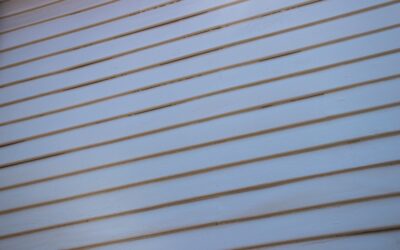
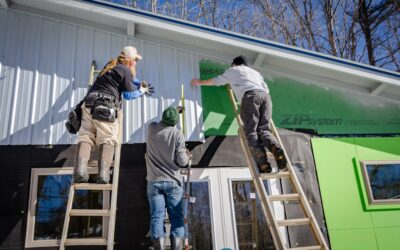
A single cracked panel from a stray baseball can cost more to fix than most people expect, mainly because of one problem: matching old siding. The vinyl siding repair cost for a typical job ranges widely, often landing somewhere between $150 and $650 for a modest repair, with small patches lower and large storm-damaged sections climbing much higher. The price hinges on the type of damage, how much siding is affected, how easy the color is to match, and how high up the wall the work sits. This guide breaks down what you pay for each kind of repair and where the money really goes.
Average Cost by Type of Damage
Different problems carry very different price tags. Here is a realistic range for common vinyl siding repairs, including materials and labor for a professional. Treat these as ballpark figures, since regional labor rates and material availability move them around.
- Small crack or hole repair: $100 to $300
- Single panel replacement: $150 to $400
- Loose or rattling panel re-secured: $100 to $250
- Section replacement, several panels: $400 to $1,000
- Large storm or impact damage across a wall: $1,000 to $3,000 or more
- Full corner post or J-channel trim replacement: $200 to $600
Most homeowners fall somewhere in the middle of these ranges. A contractor’s minimum service call often sets the floor, which is why a tiny crack can cost nearly as much as replacing a whole panel. If you are already paying the trip charge, it can make sense to address several small issues in one visit.
What Drives the Price
Four factors do most of the work in setting your final bill. Understanding them helps you read a quote and spot where you can save.
- Extent of damage: one panel is cheap, an entire wall is a project
- Color and profile matching: matching aged siding is the hidden cost driver
- Height and access: second-story or gable work needs ladders or scaffolding and raises labor
- Local labor rates: costs run higher in expensive metro areas than in rural regions
Color matching deserves special attention. Vinyl fades over years of sun exposure, so a brand-new panel in the original color can look noticeably brighter than the weathered siding around it. Manufacturers also retire colors and profiles, so an exact match may not exist. Contractors sometimes pull a replacement panel from an inconspicuous spot, like behind a deck or under a porch, and use the new panel there where the mismatch will not show. That labor adds a bit to the repair but keeps the visible wall uniform.
Repair vs Replace a Section
Small, isolated damage is almost always cheaper to repair than to replace. A cracked panel patched or swapped costs a fraction of re-siding a wall. But once damage spreads across a large area, the math shifts. If a storm cracks a dozen panels on one elevation, replacing that whole section can cost less per panel and looks far more consistent than a patchwork of individual swaps.
There is also a condition threshold. If siding is old, brittle, and fading everywhere, pouring money into repairs on a wall that will need full replacement soon is throwing good money after bad. As a rough guide, when repair costs approach a large share of what a section replacement would run, or when the siding is near the end of its service life, replacing the section is the smarter spend. Full-house re-siding is a separate, much larger project measured in the tens of thousands.
DIY vs Hiring a Pro
A handy homeowner can tackle simple vinyl siding repairs and save the labor portion, which is often half the bill or more. A vinyl siding removal tool, sometimes called a zip tool, unhooks the interlocking panels so you can slide a replacement in. Small holes can be filled with color-matched caulk or a patch kit. Doing it yourself, your main costs are the replacement panels, usually $2 to $7 per square foot of material, plus a few inexpensive tools.
The catch is that vinyl gets brittle in cold weather and cracks if you force it, and working above the first floor introduces real fall risk. Panels interlock in a specific way, and a botched reinstallation lets wind and water get behind the siding. For high work, widespread storm damage, or any sign that water has gotten behind the siding into the sheathing, hire a professional. Water intrusion behind siding can lead to rot and mold that cost far more than the siding itself.
Hidden Costs to Watch For
The panel price is rarely the whole story. Watch for these extras when you get quotes so the final number does not surprise you.
- Trim and accessories: J-channel, corner posts, and starter strips may need replacing alongside panels
- Underlying damage: rotted sheathing or wet house wrap discovered during the repair adds materials and labor
- Insulation or moisture barrier repair if water got behind the siding
- Minimum service fees that make small jobs cost more per panel
- Disposal fees for old siding on larger jobs
Insurance is worth a call for storm or impact damage. If a fallen branch or hail caused the damage, your homeowners policy may cover the repair minus your deductible. Document the damage with photos before any work begins, and get the claim started before scheduling the repair.
Common Types of Siding Damage
Knowing what kind of damage you have helps you predict the repair and its price. Vinyl is durable but not indestructible, and a handful of failures show up again and again on American homes. Each behaves differently and calls for a different fix.
- Cracks and holes from impact, like hail, ladders, thrown balls, or lawn debris
- Warping or melting near grills, dryer vents, or heat reflected off nearby windows
- Loose or rattling panels where the nailing hem pulled free in high wind
- Fading and chalking from years of sun, which is cosmetic but complicates color matching
- Cracks along the bottom edge from cold-weather brittleness
- Buckling from panels nailed too tightly, which prevents normal thermal movement
Buckling and warping deserve a closer look because they often point to an installation error rather than a one-time accident. Vinyl expands and contracts with temperature, sometimes a half inch across a long run between a hot afternoon and a cold night, so panels must hang loosely on their nails to move freely. If the original installer drove the nails tight, the panels have nowhere to go and buckle in the heat. Fixing that means re-hanging the affected panels correctly, not just swapping them.
How to Match Faded Siding
Color matching is the part of a vinyl repair that frustrates homeowners most, so it is worth a plan. Vinyl fades gradually and unevenly, and sun-facing walls fade faster than shaded ones, so even the original color code will not perfectly match a weathered wall. Start by checking whether you have leftover panels from the original job, which is the ideal match since they aged in the same box, not on the wall.
If you have none, a siding supplier can sometimes identify the manufacturer and color from a sample panel, though discontinued colors and profiles are common on older homes. When an exact new match is impossible, the professional trick is to harvest a panel from a hidden area, such as behind a downspout, under a deck, or in a low corner, and install the new bright panel there where it will not be seen. The visible wall then gets the aged, matching panel. It is more labor, but it keeps the front of your house looking uniform, which is what the neighbors and future buyers actually notice.
How to Keep the Cost Down
A few habits hold your repair spending in check. Bundle small fixes into one service call to spread the minimum trip charge across several repairs. Keep a few leftover panels from the original installation in the garage, since an exact-match panel is worth its weight when a repair comes up years later. Address cracks and loose panels promptly before wind and water turn a cheap fix into a rot problem behind the wall.
Get at least two or three written quotes for anything beyond a single panel, and confirm each covers matching, trim, and cleanup. A clear, itemized estimate lets you compare bids fairly and understand where your money goes. Handled early and matched carefully, most vinyl repairs are affordable, and knowing the typical vinyl siding repair cost ahead of time keeps you from overpaying or letting a small crack grow into an expensive one.