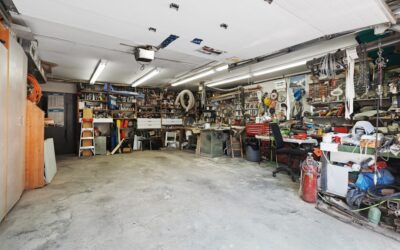
Few things rattle a homeowner like discovering water coming up from basement floor cracks after a heavy rain. This is not a cosmetic problem you can ignore. Water pushing up through the slab almost always means pressure has built up under your foundation, and left unaddressed it can damage flooring, breed mold, and even threaten the structure. This guide explains what causes it, what you can safely tackle yourself, and the point where you need a professional.
Why This Is Serious
When water enters from above, gravity is on your side. When water comes up from below through floor cracks, you are dealing with hydrostatic pressure, the force of groundwater pushing against the underside of your concrete slab. That pressure can be enormous, and it finds the path of least resistance: existing cracks, cold joints, and the seam where the floor meets the wall.
Persistent intrusion is a warning sign, not a fluke. Standing water encourages mold growth within 24 to 48 hours, ruins finished basements, and over years can undermine footings. Treat any recurring water as a problem that needs a real diagnosis, not just a mop.
Common Causes
Several conditions create the upward pressure that forces water through your floor:
- High water table: After heavy or prolonged rain, the groundwater level around your home rises above the slab, pressing water upward.
- Poor surface drainage: Gutters that overflow or downspouts that dump water right beside the foundation saturate the soil around your basement.
- Negative grading: Ground that slopes toward the house instead of away funnels rainwater down to the foundation.
- Failed or absent drainage system: Homes without working drain tile or a sump pump have nowhere to send the water that collects underneath.
- Cracked or aging slab: Settlement and shrinkage cracks become open channels once pressure builds.
Often it is a combination. A clogged gutter plus a wet season plus an old crack adds up to water on your floor.
First Steps When You See Water
Stay safe before you troubleshoot. If water is anywhere near electrical outlets, appliances, or a panel, shut off power to the affected area at the breaker before wading in. Move belongings off the floor, then use a wet/dry vacuum or sump pump to remove standing water. Run a dehumidifier and fans to dry the space and slow mold growth.
Once it is dry, watch where the water actually enters. Knowing whether it comes from a specific crack, the wall-floor joint, or seeps broadly across the slab tells you and any contractor exactly what you are fighting.
DIY Fixes That Address the Cause
The most effective first moves happen outside, where you can reduce how much water reaches the foundation in the first place.
Manage Gutters and Downspouts
Clean your gutters so they actually carry water away. Extend downspouts at least 4 to 6 feet from the house so they discharge well beyond the foundation. This single fix solves a surprising number of wet-basement complaints because it cuts off the water source.
Correct the Grading
The soil should slope away from your foundation, dropping roughly 6 inches over the first 10 feet. Add soil to build up low spots against the wall and rework any areas that pitch back toward the house.
Seal the Cracks
For narrow, stable cracks, a polyurethane or epoxy injection kit can seal the opening from the inside. Hydraulic cement works well for the wall-floor joint and small floor cracks because it expands as it cures. Understand the limit here: sealing a crack stops that leak, but if hydrostatic pressure remains high, water may simply find the next weak point.
Bigger Solutions for Chronic Water
When water keeps coming back, you need to relieve the pressure, not just patch the symptom. An interior drain tile system, also called a French drain, is installed in a trench around the basement’s perimeter beneath the slab. It collects water and routes it to a sump pit.
A sump pump then pumps that collected water out and away from the home. Together, interior drain tile plus a reliable sump pump with a battery backup form the gold-standard solution for basements with regular intrusion. A vapor barrier over the slab and walls can further limit moisture in a finished space. These are larger projects, often best handled by professionals, and they target the actual hydrostatic pressure rather than chasing individual cracks.
When to Call a Professional
Some situations are beyond a weekend fix. Call a foundation or waterproofing specialist when:
- Water returns after every significant rain despite sealing and drainage work.
- Cracks are wide, growing, or accompanied by uneven or sinking floors.
- You see horizontal cracks or bowing in the foundation walls, which can signal structural stress.
- Water enters through many points at once or wells up across a large area of the slab.
A qualified contractor can perform a proper diagnosis, recommend an interior or exterior waterproofing system, and confirm whether the foundation itself needs repair. Spending money on the right fix beats repeatedly patching a problem that keeps getting worse.
Understanding the Costs Involved
Knowing rough price ranges helps you plan and avoid overpaying. Minor DIY crack sealing with a polyurethane injection kit runs about $20 to $75. Extending downspouts and regrading soil are largely the cost of materials, often under a few hundred dollars if you do it yourself. Professional interior drain tile with a sump pump is a far larger investment, frequently several thousand dollars depending on your basement’s size and conditions. A sump pump alone, installed, commonly falls in the $1,000 to $2,500 range, while full perimeter waterproofing systems often run $5,000 or more.
While the bigger fixes aren’t cheap, weigh them against the cost of repeated water damage, ruined flooring, and potential mold remediation. Spending on a permanent solution usually beats absorbing the same losses every wet season.
Prevent It From Happening Again
Once your basement is dry, keep it that way with routine maintenance. Clean gutters twice a year, test your sump pump before the rainy season, maintain proper grading, and keep an eye on small cracks so you catch them early. A working dehumidifier helps hold basement humidity below 50 percent, which discourages mold.
Water coming up from basement floor cracks is your home telling you that water management has failed somewhere. Address the source, relieve the pressure, and bring in a pro for anything chronic or structural. Acting early protects both your floors and your foundation for the long haul.
Prefer to explore on your own?
See how new flooring looks in your actual room in seconds — free, no signup.
Try the free Floor Studio →