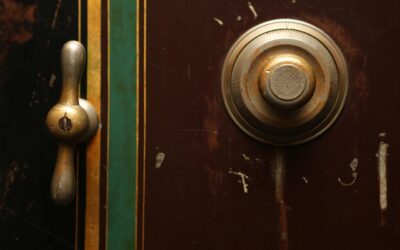
Most house fires reach interior temperatures of 1,200 to 1,700 degrees F within 8 minutes, and the same fire that destroys a home is usually fought with thousands of gallons of water that finish what the flames started. A standard locking box from a hardware store will not save a single document. Water fireproof safes are engineered to handle both threats at once, and choosing the right one depends on what you are protecting, how long it must survive, and where you can place it in the home.
Part of our Roofing guide — explore the full guide →
Understanding Safe Ratings
Two ratings matter when comparing safes: UL (Underwriters Laboratories) fire ratings and ETL Verified water resistance ratings. UL Class 350 means interior temperature stays below 350 degrees F during the test, which is the threshold where paper documents start to char. Look for 30-minute, 60-minute, or 120-minute UL Class 350 ratings depending on how far your home is from the nearest fire station.
Water resistance ratings are less standardized. ETL Verified for water submersion at 8 to 24 inches for 24 to 72 hours is the gold standard. Marketing terms like “waterproof” without a third-party certification mean very little; insist on the actual test data.
Best Small Document Safes
For passports, birth certificates, deeds, and a USB backup drive, a small chest-style safe is enough. The SentrySafe HD4100 ($55) gives 30 minutes at 1,550 degrees F and ETL water resistance for 24 hours of submersion. Interior volume is 0.18 cubic feet, holding about 50 letter-size sheets if you keep them in a thin folder.
For slightly more space, the Honeywell 1104 ($110) offers 30 minutes of fire protection and is water rated. Interior volume jumps to 0.39 cubic feet, fitting a small jewelry pouch, passports, and a stack of legal documents. Both are key-locked rather than combination, which is faster in an emergency but easier to lose if you do not have a backup hiding spot.
Best Mid-Size Safes With Electronic Locks
For homeowners with cash reserves, hard drives, and irreplaceable photos, a mid-size electronic safe makes more sense. The First Alert 2092DF ($230) provides 60 minutes UL Class 350 at 1,700 degrees F and ETL waterproof to 24 inches. Interior is 1.0 cubic feet with a removable shelf for organized storage.
- Programmable 3 to 8 digit electronic keypad
- Backup key in case batteries die during a power outage
- Low-battery warning LED
- Pre-drilled bolt-down holes for fastening to a closet floor
- Weight around 75 pounds: tough but not impossible to relocate
Heavy-Duty Safes for Cash and Firearms
For larger valuables, a residential security container (RSC) with fire and water protection is the next step up. The SentrySafe SFW123GDC ($300) gives 1 hour UL fire and ETL waterproof, 1.23 cubic feet interior, and weighs 86 pounds, enough mass to slow down a smash-and-grab. The combo dial is mechanical with a key override, which means no batteries to fail.
For firearms, look at the Liberty Centurion 12-gun safe ($600) with a 30-minute fire rating and optional flood-resistant interior dehumidifier rod. Liberty uses 12-gauge steel construction with three-stage locking bolts and a UL-listed combination dial. Bolted to a concrete slab with the included anchor kit, it handles fire, water, and most casual burglary attempts.
Where to Place a Safe in Your Home
Placement affects both fire performance and theft resistance. The center of the house on the first floor or basement is statistically the coolest zone during a structure fire. Closets that share a wall with the kitchen, garage, or laundry room get hotter faster because those rooms have higher fire loads.
Bolt the safe to the floor. The 1/2-inch lag bolts that ship with most safes hit concrete or pressure-treated subfloor and prevent thieves from walking off with the whole unit. An unbolted 80-pound safe can be carried to a truck by two people in under 90 seconds, defeating the locking mechanism entirely.
What to Put in Your Safe
Prioritize items that cannot be replaced from digital backups or insurance records. Tier your storage so you keep the highest-value items in the deepest layer of protection.
- Birth certificates, social security cards, passports
- House deeds, vehicle titles, marriage certificates
- Will, power of attorney, advance directives
- Insurance policy declaration pages and contact info
- External hard drive or thumb drive with photo backups
- Cash reserves: $500 to $2,500 in small bills
- Backup keys to vehicles, sheds, and rental properties
- List of online account credentials (printed, not stored on the drive)
What Not to Store
Photographs and film negatives degrade quickly in the high-humidity environment that fireproof safes naturally create. The same insulating material that resists fire also traps moisture, and a sealed safe interior can hit 70 to 80 percent relative humidity within weeks. Store paper documents in waterproof zip bags inside the safe and add silica gel packs to manage moisture.
Never store firearms loaded inside a non-firearm-rated safe. The interior heat during a fire can cook off ammunition, and the bullets fired by heated rounds can puncture the safe walls. Use a UL-listed gun safe for firearms and a separate documents safe for paperwork.
Common Buying Mistakes
Buying a safe based on weight alone is a common error. A 90-pound safe can still be opened with a $40 angle grinder in under 10 minutes. What matters is the steel gauge, lock type, and active relockers. Look for at least 14-gauge body steel and a UL-listed lock for serious security.
Skipping the bolt-down step is the second most common mistake. Manufacturers ship anchor hardware in the box and homeowners stash the safe in a closet without using it. Always bolt the safe to a structural element. Total install time including drilling and anchoring is under 30 minutes, and that small effort multiplies the safe’s effectiveness against theft. The right water fireproof safes, properly placed and anchored, give you real peace of mind that the most important pieces of your life survive whatever happens to the rest of the house.