
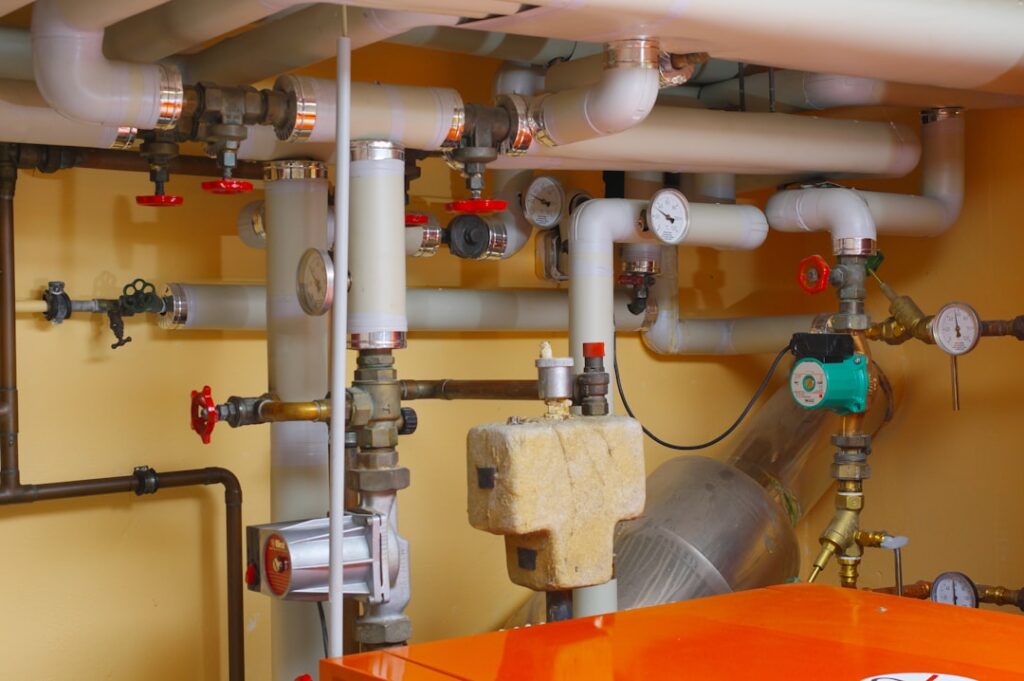
Running out of hot water mid-shower is a common frustration, especially in busy households or homes with a smaller tank. A water heater booster is a device that helps you get more usable hot water from your existing heater, often without buying a larger unit. This guide explains what a booster is, the different types, how they work, the safety and capacity benefits, and what one costs so you can decide whether it fits your home.
Boosters are especially useful when a heater is too small for the household or when you want more hot water without the expense of a full replacement.
- What a Water Heater Booster Does
- How It Works: The Mixing Valve Method
- Booster Tanks: Adding Capacity
- Who Benefits Most from a Booster
- Benefits at a Glance
- Considerations and Limits
- Booster vs. Bigger Heater vs. Tankless
- Installation Overview
- Maintaining a Booster System
- Cost
- Setting the Right Temperatures
- Signs a Booster Would Help Your Home
- The Bottom Line
What a Water Heater Booster Does
A water heater booster increases the amount of usable hot water available from your tank, and some types improve safety at the same time. It does this in one of two main ways: by storing water at a higher temperature and then blending it down to a safe delivery temperature, or by adding a supplemental tank that increases total capacity. The result is more hot water for showers, laundry, and dishes without a bigger primary heater.
How It Works: The Mixing Valve Method
The most common type of booster is a thermostatic mixing valve paired with a higher tank setting. Here is the principle:
- Water stored hotter holds more usable heat energy in the same size tank.
- The heater’s thermostat is set higher, so the tank holds hotter water.
- A thermostatic mixing valve on the outlet blends that very hot water with cold water before it reaches your taps.
- The blended water leaves at a safe, consistent temperature, while the extra-hot storage effectively stretches the tank’s usable supply.
Because the water is stored hotter, a given tank delivers noticeably more warm-shower minutes before it runs cold. The mixing valve is essential, since water stored at scalding temperatures must be tempered before it reaches a faucet to prevent burns.
The Anti-Scald and Anti-Bacteria Benefit
Storing water hotter has a safety upside beyond capacity. Higher storage temperatures inhibit the growth of bacteria such as Legionella that can develop in lukewarm tanks. The mixing valve then tempers the water to a safe delivery temperature, giving you both improved capacity and protection at the tap. This dual benefit is why mixing-valve boosters are popular.
Booster Tanks: Adding Capacity
A second approach adds a supplemental storage tank plumbed alongside the main heater. This booster tank increases total hot water volume, helping homes that regularly exhaust a single tank. It is a bigger installation than a mixing valve but can significantly raise capacity without replacing the primary unit. Some homeowners use a small point-of-use booster near a specific fixture, like a distant bathroom, to reduce the wait for hot water there.
Who Benefits Most from a Booster
A water heater booster makes the most sense in specific situations:
- Households that run out of hot water during back-to-back showers
- Homes with an undersized tank relative to the number of occupants
- Homes that added bathrooms or occupants since the heater was sized
- Owners who want to delay the cost of a larger heater
- Anyone concerned about anti-scald safety and bacteria control
Benefits at a Glance
- More usable hot water from the same or a supplemental tank
- Safer delivery temperature thanks to the mixing valve
- Reduced bacteria risk from higher storage temperatures
- Lower cost than replacing with a larger heater in many cases
- Energy flexibility, since you use stored heat more efficiently
Considerations and Limits
A booster is not a cure-all. Keep these points in mind:
- Scald risk without a valve: never simply raise the tank temperature without a proper mixing valve, as scalding water at the tap is dangerous.
- Not infinite capacity: a mixing-valve booster stretches supply but does not equal a much larger tank or a tankless system.
- Standby energy: storing water hotter can slightly increase standby heat loss, though the mixing valve and better usable capacity often offset this.
- Professional install recommended: plumbing a mixing valve or booster tank correctly matters for both safety and performance.
Booster vs. Bigger Heater vs. Tankless
When you need more hot water, you have three main paths:
- Water heater booster: lowest cost, uses your existing tank, adds capacity and safety.
- Larger tank heater: more capacity but higher purchase and install cost, and takes more space.
- Tankless (on-demand): endless hot water and space savings, but the highest upfront cost and possible electrical or gas upgrades.
For many homeowners, a booster is the sensible first step, especially when the existing heater is otherwise in good condition and has years of life left.
Installation Overview
Installing a thermostatic mixing valve booster involves plumbing the valve onto the hot water outlet of the tank and running a cold line into it so the valve can blend the two. The tank thermostat is then set higher to store hotter water, while the valve tempers the output to a safe delivery temperature. The general steps are:
- Shut off power or gas to the heater and close the cold supply.
- Install the mixing valve on the hot outlet, connecting both the hot output and a cold feed to it.
- Raise the tank temperature to the higher storage setting the valve is designed to temper.
- Set the valve to deliver a safe temperature at the taps.
- Restore power and water, then test the temperature at a faucet with a thermometer.
Because the setup involves storing water at scalding temperatures, correct valve installation and calibration are critical, which is why professional installation is recommended for most homeowners.
Maintaining a Booster System
A booster adds little maintenance burden, but a few checks keep it working safely. Periodically verify the delivery temperature at a tap with a thermometer to confirm the mixing valve is still tempering correctly, since a failed valve could send scalding water to the faucet. Inspect the valve and connections for leaks or mineral buildup, especially in hard-water areas where scale can affect performance. If you have a supplemental booster tank, flush it on the same schedule as your main heater to clear sediment. These simple checks ensure the booster continues to deliver both the extra capacity and the safety it was installed to provide.
Cost
A thermostatic mixing valve booster kit is relatively affordable, often $100 to $300 for the valve, plus professional installation of $150 to $400 depending on the plumbing. A supplemental booster tank costs more, since it involves an additional tank and more extensive plumbing. Even so, both options typically cost far less than upgrading to a much larger tank or converting to tankless.
Setting the Right Temperatures
The whole booster concept hinges on the relationship between storage temperature and delivery temperature, so understanding the numbers helps. With a mixing valve, the tank is set hotter than a typical unboosted heater, storing more usable heat, while the valve blends that water down so it leaves the tap at a safe temperature. The tempered delivery temperature is what protects against scalding, and it is why you must never raise a tank’s temperature without a mixing valve in place. When a professional sets up the system, they calibrate both the storage setting and the valve’s output, then verify the actual temperature at a faucet with a thermometer. This balance gives you the capacity benefit of hotter storage without any risk of dangerously hot water reaching your hands.
Signs a Booster Would Help Your Home
A booster is not necessary for every household, so it helps to recognize when one would genuinely solve a problem. Consider a booster if you notice these patterns:
- Hot water runs out during consecutive showers or when several fixtures run at once
- Your household grew or you added a bathroom after the heater was sized
- The heater is otherwise healthy with years of life left, making replacement premature
- You want anti-scald protection and bacteria control alongside more capacity
If instead your heater is old, failing, or badly undersized for a much larger household, a full replacement or a tankless upgrade may serve you better. Matching the solution to the actual shortfall ensures you spend wisely and get the hot water performance you need.
The Bottom Line
A water heater booster is a smart, budget-friendly way to squeeze more usable hot water out of your existing tank while improving safety. A thermostatic mixing valve lets you store water hotter for greater capacity and bacteria control, then tempers it to a safe delivery temperature, while a supplemental booster tank adds outright volume. If your household regularly runs out of hot water but your heater is otherwise sound, a booster can solve the problem for a fraction of the cost of replacement, and installing the mixing valve correctly is essential for safe, scald-free results.


