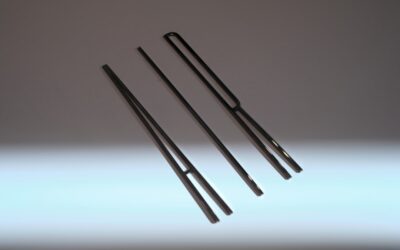
No hot water is a special kind of misery, and when the culprit is a failed igniter, homeowners often call a plumber for a $250 service visit to fix a $15 part. Learning water heater igniter replacement yourself turns that expensive emergency into a 30-minute repair, because the igniter is one of the most accessible and inexpensive components on a gas water heater. When the pilot or burner won’t light, the igniter — the component that produces the spark — is a prime suspect. This guide explains how to confirm the igniter is the problem, walks through the replacement step by step, and tells you when the issue is actually something else that needs a professional.
How the Igniter Works
Modern gas water heaters use electronic ignition rather than a standing pilot light you’d manually relight. When the thermostat calls for heat, a piezoelectric or hot-surface igniter creates a spark or glows red to light the gas at the burner or pilot. On most residential tanks, you’ll find a piezo igniter connected to a push-button on the gas control valve — press it and it clicks, sending a spark to the pilot assembly. The igniter itself is a small ceramic-and-electrode component with a wire running to the sparker. When it wears out or the electrode corrodes, you get clicking with no spark, or no click at all, and the burner never lights.
Signs Your Igniter Has Failed
Before you buy parts, confirm the symptoms point to the igniter and not the thermocouple, gas supply, or control valve.
- You hear the click but see no spark at the pilot — a classic sign the igniter electrode is worn or cracked.
- Pressing the ignition button produces no sound at all — the piezo element itself may be dead.
- The pilot won’t light despite repeated attempts, but you can smell gas and light it manually with a long match (indicating gas is present but the spark isn’t).
- Visible corrosion or a cracked ceramic base on the igniter electrode when you inspect it.
Here’s a quick test: if you can light the pilot manually with a long lighter or match but the electronic igniter won’t spark it, the igniter is almost certainly the problem. If the pilot lights but won’t stay lit after you release the button, that’s the thermocouple, not the igniter — a different fix.
Safety First
You’re working around natural gas, so treat it seriously. Turn the gas control valve to the OFF position and wait for any residual gas to clear before you begin. If you smell a strong gas odor, stop, ventilate, and call your gas utility. Have a flashlight, and never work on the unit with the gas flowing. This is a genuinely DIY-friendly repair, but only if you respect the shutoff and take your time.
Step-by-Step Igniter Replacement
You’ll need a replacement igniter matched to your water heater’s brand and model, a nut driver or wrench, and a flashlight. Parts run $10 to $30. Order the exact igniter for your model number, printed on the tank’s rating plate.
- Turn the gas control knob to OFF and shut off the gas supply valve on the line feeding the heater. Let it sit a few minutes.
- Remove the outer and inner access covers at the base of the tank where the burner sits. Set the screws aside safely.
- Locate the igniter — a small electrode with a wire leading back to the piezo button on the control valve. Trace the wire to be sure.
- Disconnect the igniter wire from the control valve’s terminal. It usually unclips or unscrews.
- Remove the old igniter from the burner assembly. It’s typically held by a clip, bracket, or a single screw. Note exactly how it’s positioned relative to the pilot.
- Install the new igniter in the same position, ensuring the electrode tip sits the correct distance from the pilot hood — usually about an eighth of an inch — so the spark can jump the gap.
- Reconnect the wire to the control valve terminal firmly.
- Reinstall the inner and outer access covers.
- Turn the gas supply back on, set the control knob to PILOT, and press the igniter button. You should see a strong spark and the pilot should light.
- Once the pilot holds, turn the control to ON and set your temperature, typically 120°F.
The whole job takes 20 to 40 minutes. The most common mistake is the electrode gap — too far and the spark won’t jump, too close and it can short against the pilot hood. Match the old positioning and you’ll be fine.
What It Costs
The igniter part itself is remarkably cheap — $10 to $30 for most residential models. Doing the swap yourself, that’s your entire cost. Hiring a plumber for the same job runs $150 to $300 once you add the service call and labor, even though the part is inexpensive. For a repair this accessible, the DIY savings are substantial, which is exactly why it’s worth learning.
When It’s Not the Igniter
Sometimes a new igniter doesn’t solve the no-hot-water problem, which means the fault lies elsewhere. If the pilot lights but goes out when you release the button, replace the thermocouple — a similarly cheap and easy part. If you get a strong spark and gas but still no flame, check that the gas supply valve is fully open and the burner ports aren’t clogged with dust or spider webs, a surprisingly common cause. And if the control valve itself clicks but sends no voltage to a working igniter, the gas control valve may have failed, which is a pricier repair often best left to a professional.
Piezo vs. Hot-Surface Igniters
Not all igniters work the same way, and knowing which type your water heater uses helps you buy the right part and diagnose it correctly. The most common on residential tank heaters is the piezoelectric igniter — the kind tied to a manual push-button on the gas control valve. Pressing the button strikes a crystal that generates a high-voltage spark to light the pilot. These are simple, have no electrical power requirement, and are the cheapest and easiest to replace.
Some newer and tankless units use a hot-surface igniter instead, which glows red-hot when electricity passes through it and lights the gas directly, with no standing pilot. These require power and are a bit more involved to service, though the concept is the same. A third variety, direct-spark ignition, uses a control board to fire a spark on demand. For the vast majority of homeowners with a standard tank heater, you’re dealing with the piezo type — identifiable by that clicking push-button on the front of the gas valve. Confirm the type before ordering so the replacement matches your system exactly.
Extending Your Igniter and Burner Life
Igniters and pilot assemblies fail faster in dirty, poorly maintained water heaters, so a little upkeep saves you from repeat repairs. The most common enemy is dust and debris — the burner compartment at the base of the tank draws in air, and over time lint, pet hair, and spider webs accumulate around the burner and igniter, interfering with the spark and the flame.
- Vacuum the burner compartment and air intake screen once or twice a year to keep the area clean.
- Keep the space around the water heater clear of stored boxes, laundry, and dust that get pulled into the intake.
- Flush the tank annually to remove sediment that makes the burner work harder and run hotter.
- Check the pilot flame color — a strong blue flame is healthy, while a weak yellow or orange flame signals a dirty burner or venting problem worth addressing.
- Never store flammable liquids like gasoline or paint thinner near the heater; the pilot and igniter can ignite the vapors.
A clean burner compartment and healthy pilot flame keep the igniter sparking reliably and extend the life of the whole ignition system, meaning fewer no-hot-water mornings down the road.
The Bottom Line
Water heater igniter replacement is one of the most satisfying and economical DIY repairs a homeowner can tackle — a $15 part and half an hour of careful work in place of a $250 service call. Confirm the diagnosis with the manual-light test, respect the gas shutoff, match the new igniter’s position and electrode gap to the old one, and you’ll have hot water back the same afternoon. Keep the model number handy so you order the right part the first time, and this becomes a repair you’ll never pay someone else to do again.